Ask three South African solar installers which hybrid inverter to buy and you will hear two names more than any others: Sunsynk and Deye. Ask them what the difference is, and the answers get vaguer. That is because these two brands are more closely related than most buyers realise — and yet there are real, practical differences that should inform your choice. This guide explains what the two brands share, where they genuinely differ, and how to decide which one belongs in your system. One thing before we start: ZenSolar fits neither of them. We install Fox ESS and Sigenergy, and we explain why toward the end. That is not a reason to discount the comparison that follows — the specifications and trade-offs below are the same whoever is explaining them to you.
The Relationship Nobody Explains Properly
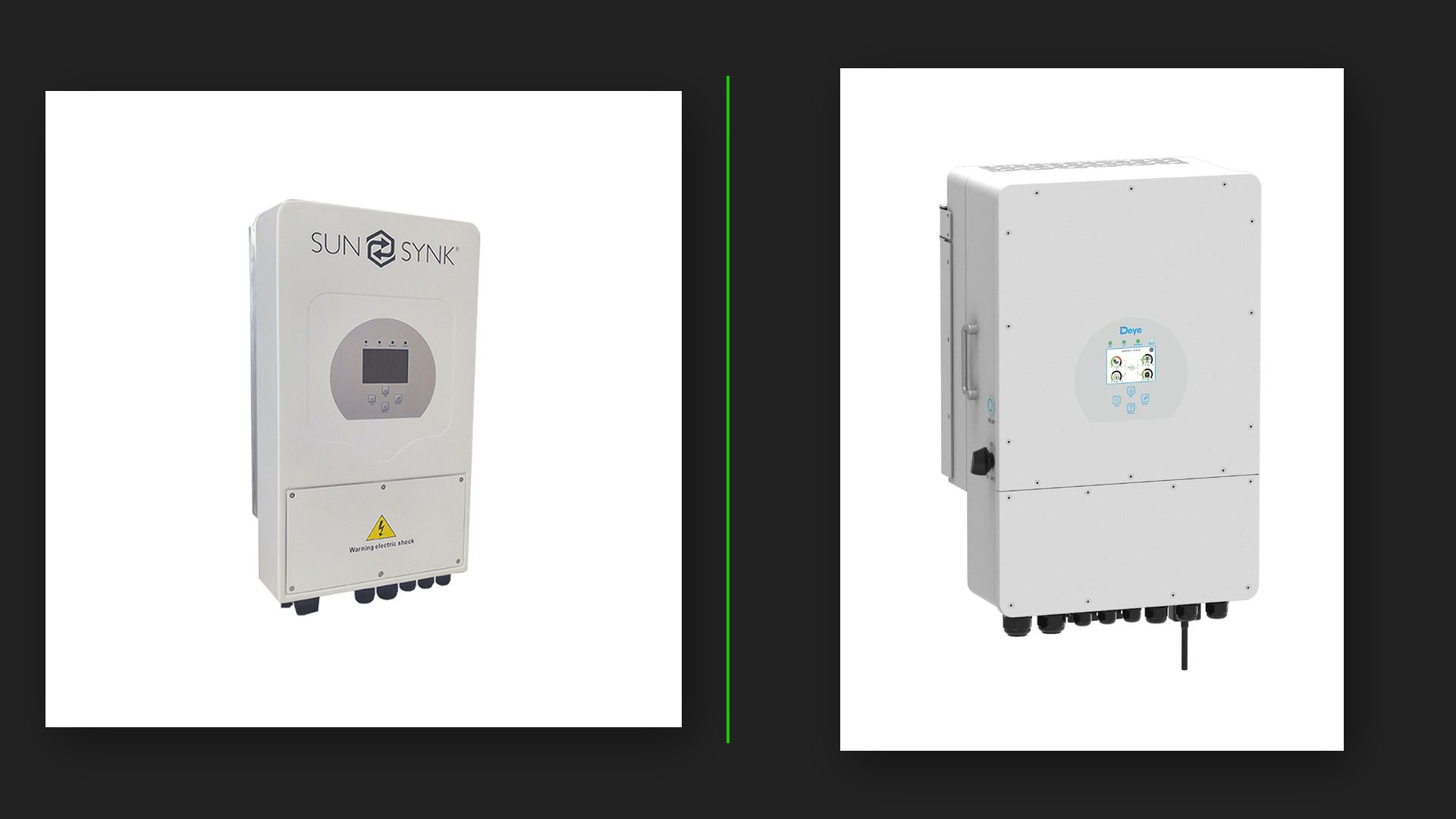
Here is the fact that reframes the whole comparison: Sunsynk hybrid inverters are built on hardware platforms manufactured by Deye. Deye is a large Chinese inverter manufacturer that produces hybrid inverters both under its own name and for partner brands. Sunsynk is an international brand that takes that manufacturing platform and wraps it in its own firmware development, monitoring ecosystem, distribution network and support arrangements.
This is why the two product ranges look so similar on paper — comparable capacity line-ups, similar enclosures, overlapping feature sets. It is also why the “which is better built?” question misses the point. The meaningful comparison is not about the hardware pedigree; it is about firmware, monitoring, support and availability in South Africa.
What the Two Brands Have in Common
- Hybrid architecture. Both ranges are true hybrid inverters: they manage solar panels, batteries, the grid and your household loads in one unit, deciding moment by moment where power should flow.
- Wide capacity ranges. Both brands cover the popular residential sizes through to larger units for small commercial premises, in single-phase and three-phase configurations.
- Broad battery compatibility. Both communicate with the major lithium battery brands sold in South Africa, including Freedom Won, Hubble and Pylontech.
- Strong South African presence. Both are established here, with local distribution and installer familiarity. This is not a case of one mainstream option and one obscure import.
Where They Genuinely Differ
1. Firmware and features
Although the underlying hardware is related, the brands run different firmware. Sunsynk develops its own firmware and feature roadmap, and settings menus, programming logic and feature names differ between the two. In practice this matters most to your installer: an installer fluent in Sunsynk’s programming will commission a Sunsynk system faster and tune it better, and the same applies to Deye.
2. Monitoring platforms
Sunsynk systems use the Sunsynk Connect monitoring platform, while Deye systems typically use Deye’s own cloud monitoring apps. Both let you watch generation, consumption, battery state and grid usage from your phone. Which experience you prefer is partly taste — but ask your installer to show you both dashboards before you decide, because you will look at this app far more often than you will look at the inverter itself.
3. Support and warranty routing
Warranty claims and technical support flow through different channels: Sunsynk support runs through Sunsynk’s network and its South African distribution partners, Deye’s through Deye’s. Neither route is inherently better, but the practical question is the same for both: is there local stock, and does your supplier stand behind the warranty process? Buying either brand through an established retailer that carries official stock — rather than a grey import — is what actually determines your warranty experience.
4. Price and availability
Relative pricing between the two brands shifts with stock cycles and the exchange rate, so any specific claim would be out of date within a quarter. What is consistently true is that both compete in the same segment, and the total installed cost of your system depends far more on system design — capacity, battery size, installation complexity — than on which of these two logos is on the inverter. Our guide to solar power financing options covers how to structure the investment either way.
So Which Should You Choose?
For most buyers, the honest answer is: either brand can anchor an excellent system, and the deciding factors sit around the inverter rather than inside it.
- Choose Sunsynk if you value its monitoring ecosystem and firmware feature set, or your installation partner has deep Sunsynk experience.
- Choose Deye if its model range fits your system design more precisely, or availability and lead times favour it when you are ready to buy.
- Choose neither on hearsay. The shared platform means most “brand X is more reliable” anecdotes are really stories about installation quality, sizing mistakes or grey-import units with no warranty backing.
Design mistakes cost far more than brand choices. Before committing either way, read our piece on 7 costly solar mistakes to avoid at design stage — several of them apply directly to inverter selection.
Sizing Comes Before Branding
A perfectly chosen brand in the wrong capacity is still the wrong inverter. Your inverter needs to be sized against your household’s peak loads and your solar array, and your battery capacity against your evening consumption. In 2026, with Eskom tariffs climbing above inflation year after year and component prices lower than they were a few years ago, correctly sized systems are delivering the strongest payback we have seen in a decade — but the sizing has to be right first. Our guide on how to size a solar system explains the method, and our free System Sizer tool does the arithmetic for you from your actual consumption.
Where Fox ESS and Sigenergy Actually Fit In
We said at the start that ZenSolar fits neither Sunsynk nor Deye. Here is the rest of that explanation, rather than leaving it as a throwaway line.
What Sunsynk and Deye get right together. Between them these two brands cover most of the South African hybrid market, and that shared lineage is a genuine strength for buyers: an enormous installer base knows one or both platforms, spares and replacement units move quickly through established distribution, and a warranty claim on either brand is rarely uncharted territory for whoever picks up the phone. We would rather say that plainly than pretend two market leaders are secretly a poor choice.
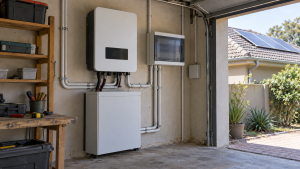
Why we install something else anyway. Our reservation has nothing to do with reliability on day one. It is about what a household or business looks like five or ten years after commissioning, once a battery bank needs to grow, a second building comes online, or the site steps up from residential to small-commercial demand. Fox ESS and Sigenergy both run a single continuous product family from single-phase residential right through to three-phase commercial and industrial installations, so that growth is a capacity decision, not a decision to change inverter, app and support relationship all at once — which is exactly the kind of change a shared-platform pair like Sunsynk and Deye does not solve, because stepping between them is still a brand change even if the hardware lineage overlaps.
Sigenergy goes further still: the SigenStor unit folds inversion, battery, system control and DC EV charging into one modular product, so there is a single manufacturer accountable for the whole installation instead of an inverter brand and a battery brand each pointing at the other when something needs attention. Its published warranty runs 10 years on the Sigen Battery and Sigen Energy Controller, guaranteeing at least 60% of usable battery capacity at that point, or a stated energy-throughput limit, whichever comes first, extendable to 15 years if the system is registered within 12 months of commissioning. We quote those figures because we can hand you the document they come from — ask whoever is quoting you Sunsynk or Deye to do the same for their own warranty terms, and compare what actually turns up.
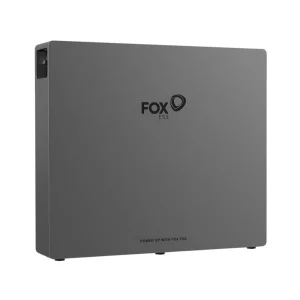
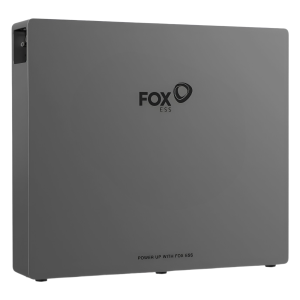
Fox ESS, backed by Tsingshan Group, is the more budget-conscious of the two we fit: modular, stackable storage designed to be added to rather than replaced, across single-phase and three-phase ranges, without dropping into the price tier where support quietly disappears once the invoice is settled.
Whichever brand ends up on your wall — Sunsynk, Deye, or one of ours — insist on a manufacturer-approved installer. That is the detail that actually keeps a warranty enforceable on the day you need to use it, not the badge on the enclosure.
The Bottom Line
Sunsynk and Deye are siblings rather than rivals, both proven in South African conditions, and picking between them mostly comes down to firmware preference, monitoring taste and which installer you trust most — the guidance above should settle that part.
Our own answer sits outside that choice: we fit Fox ESS and Sigenergy, for a stated reason rather than a shrug. One manufacturer stays accountable for the whole system, the warranty terms are documented and we will put them in front of you before you sign, and the platform grows with your household or business without forcing a brand change later. That is the specific thing we narrowed our range to two brands in order to promise, and it is why our recommendation differs from the Sunsynk-or-Deye question this article set out to answer.
Ready to move from comparison to specification? Run your numbers through the System Sizer or request a personalised quote, and we will design your system on Fox ESS or Sigenergy, installed through a manufacturer-approved installer.
Common Questions About Sunsynk and Deye
Common Questions About Sunsynk and Deye
Are Sunsynk and Deye inverters the same machine?
Not identical, but closely related. The hardware platforms are manufactured by Deye, while Sunsynk applies its own firmware, monitoring platform and support arrangements. Think of them as two products built on shared engineering rather than one product with two badges — the ownership experience differs even where the electronics overlap.
Can both brands use the same batteries?
Broadly yes. Both platforms communicate with the major lithium battery brands sold in South Africa, including Freedom Won, Hubble and Pylontech. Compatibility is always confirmed at model and firmware level during design, but neither brand restricts you to a single storage option.
Does the choice affect my installation cost?
Rarely by much. Installation effort is driven by your site — cable runs, distribution board condition, roof layout — and by system size, not by which of these two logos is on the inverter. The design decisions around capacity and storage move your total far more than the brand choice does.
Which brand holds its warranty better in South Africa?
Both are backed through established local distribution when bought from official channels. The warranty risk that actually catches buyers is grey-import stock with no local backing — a channel problem, not a brand problem. Buy official stock from an established retailer and either brand will stand behind you.
Not sure which system is right for you?