Key Takeaways
Solar water heating provides a reliable way to achieve long-term energy independence by reducing reliance on municipal electricity grids. Choosing the correct system for your property involves balancing upfront costs with long-term efficiency savings.
- Assess whether an integrated or split system best suits your roof layout and household size.
- Match collector technology, such as evacuated tubes or flat plates, to your specific climate and daily hot water needs.
- Prioritise professional installation to ensure your geyser complies with SANS safety standards.
- Maintain your system through annual inspections of the safety valve and pressure relief mechanisms.
- Take advantage of current market incentives to improve your ROI on energy infrastructure investments.
Understanding solar water heating options in Midrand
Transitioning to renewable water heating starts with identifying the equipment that aligns with your household’s thermal load. Residents seeking to install solar geysers in Midrand have several technical pathways to choose from depending on their roof type and budget.
High-pressure vs. low-pressure systems
Most modern residential developments require high-pressure systems to match the water pressure of the mains supply. High-pressure geysers use a heat exchanger or a direct system where the water pressure is maintained through a robust steel tank and safety valve configuration. In contrast, low-pressure systems often rely on gravity feed or header tanks, which are generally unsuitable for properties requiring consistent pressure at multiple taps.
Flat plate collectors vs. evacuated tubes suitability
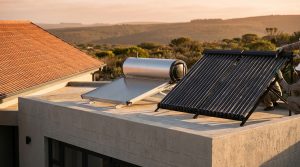
Flat plate collectors are versatile and highly durable for standard pitched roofs in urban areas such as Midrand. They offer wind resistance and effective corrosion protection, making them a common choice for suburban estates. Evacuated tube systems, meanwhile, excel in environments where ambient temperatures are lower, as their vacuum-sealed structure minimises heat loss. Choosing the best solar geyser professionals helps you verify which collector efficiency is best for your specific roof orientation and daily water consumption patterns.
Integrated vs. split system configurations
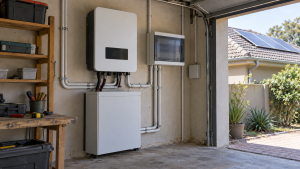
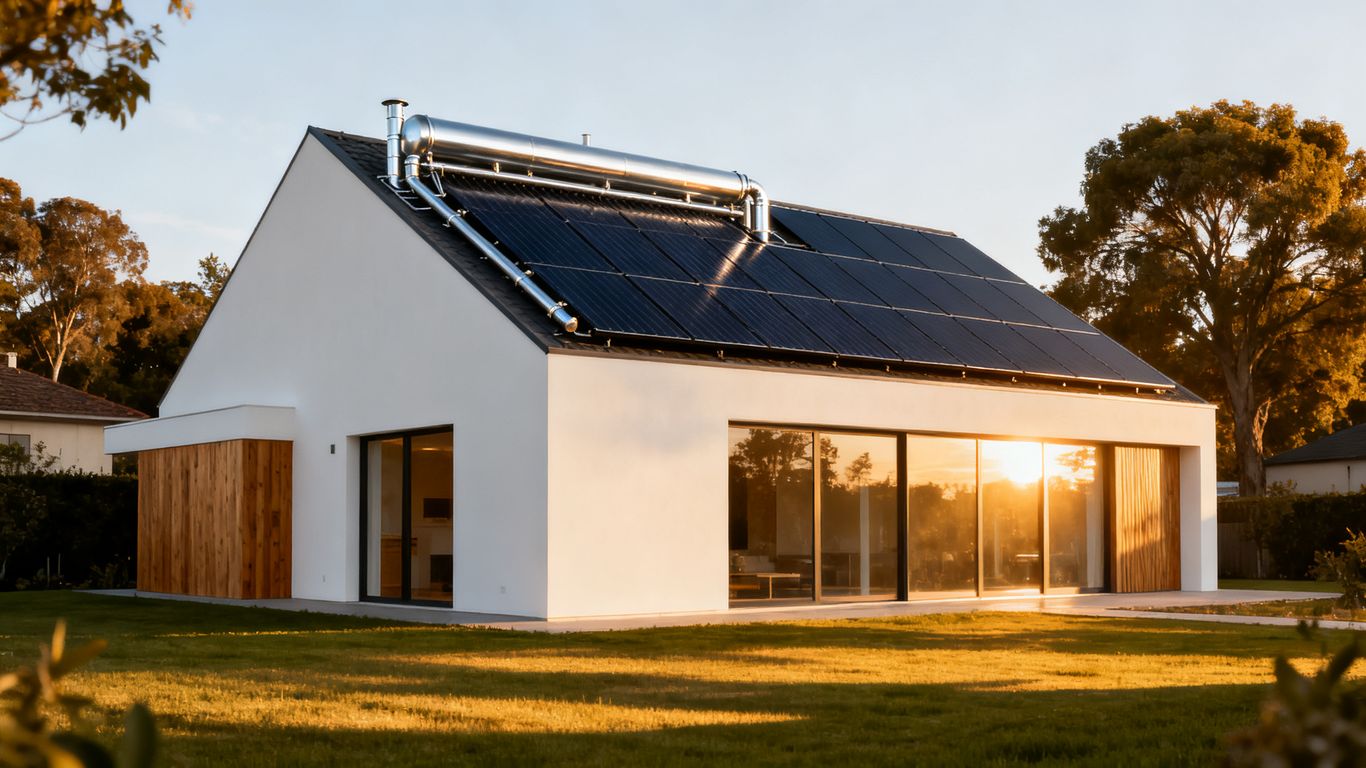
Integrated systems combine the tank and collector into one single roof-mounted unit, which simplifies the plumbing infrastructure for medium-sized households. Zenith Solar, a key service provider for solar power installations, often recommends split systems for homes with aesthetic constraints. Split configurations separate the storage tank, usually placed in the garage or a dedicated utility cupboard, from the roof collector, which maintains a cleaner profile on your home’s exterior.
Benefits of switching to solar in the local climate
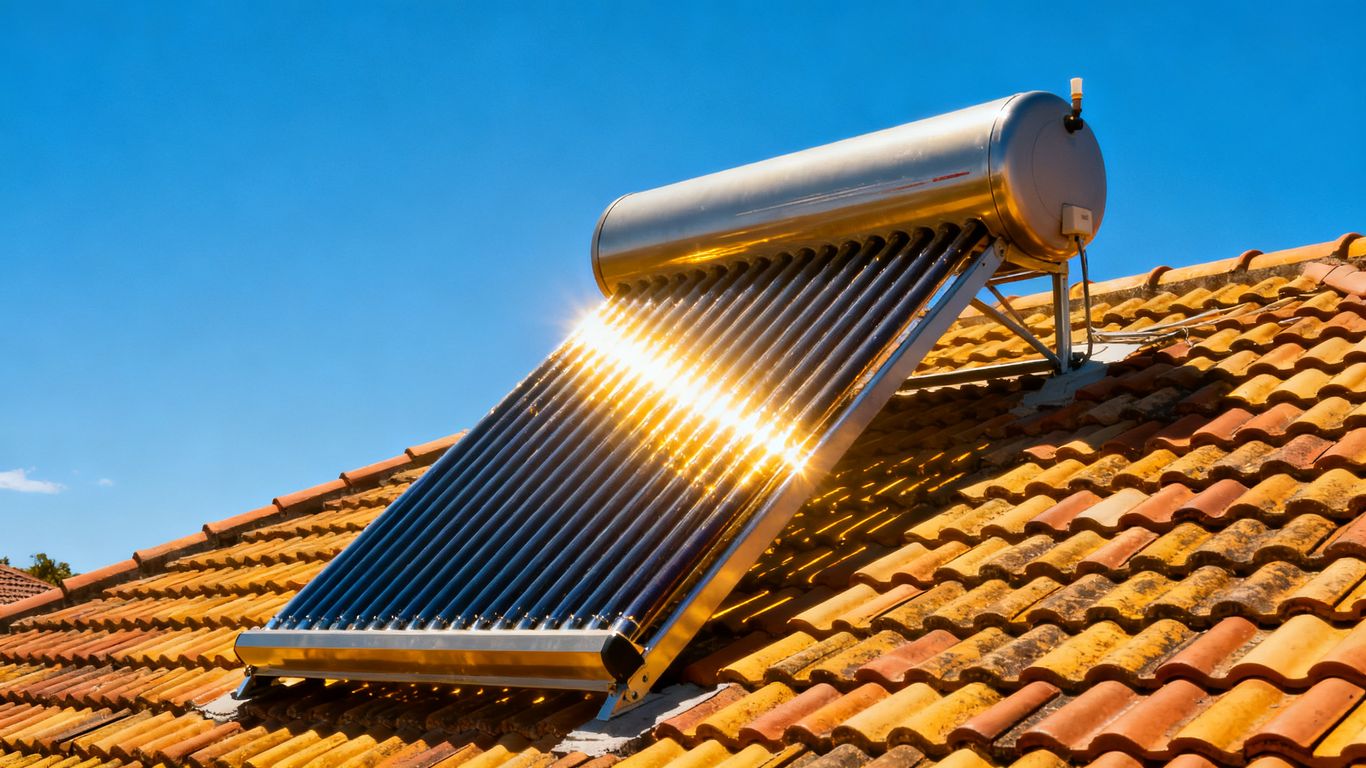
Shifting to solar heating represents a rational economic decision in the current energy landscape. As tariffs rise, investing in reliable infrastructure protects your monthly opex and provides you with greater control over your domestic supply.
Reducing reliance on the municipal grid
Reducing demand on public infrastructure is a practical goal for homeowners across Gauteng. By installing efficient solar water heaters in residential homes, you manage your energy usage more effectively while supporting broader grid stability. Solar power offers energy independence, ensuring that your heating requirements are met by natural irradiation rather than external utility pricing, effectively shielding your household from inflationary tariff hikes.
Impact of Midrand’s weather patterns on efficiency
Midrand’s climate is conducive to solar thermal capture due to the high number of clear-sky days throughout the year. The consistent solar yield allows collectors to achieve high thermal output even during the cooler months. To maximise this, ZenSolar advises that homeowners orient their collectors towards the equator to ensure the panels intercept as much direct radiation as possible throughout the day, maintaining heat production even when the air temperature dips.
Financial incentives and long-term cost benefits
Investing in a quality system pays for itself over time through substantial reductions in your monthly electricity bill. Many homeowners find that the payback period is shorter than it has been in a decade, particularly when considering the longevity of premium stainless steel tanks. The following table highlights the comparative efficiency and typical lifespan of major system types:
| System Type | Efficiency Grade | Typical Lifespan | Primary Benefit |
|---|---|---|---|
| Integrated | Moderate | 8-10 Years | Affordable and Simple |
| Split High-Pressure | High | 12-15 Years | Consistent Pressure |
| Flat Plate System | High | 10-12 Years | Weather Resistance |
Selecting the right system involves evaluating your annual hot water consumption against the expected thermal yield of the chosen hardware, ensuring your financial decision carries maximum return over the asset lifecycle.
Selecting a professional installer in Midrand
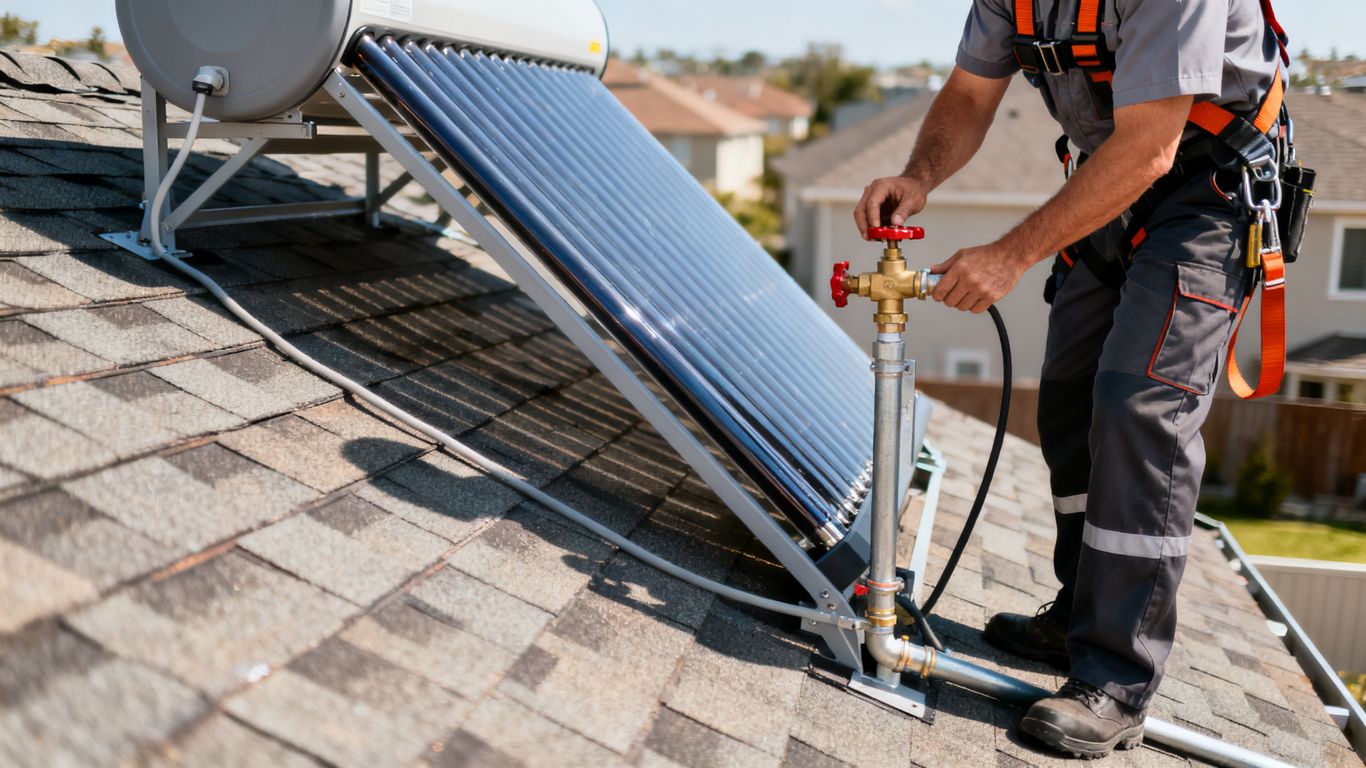
Choosing a qualified installer is as important as selecting the right hardware. A professional approach to the project ensures that your investment meets safety standards and functions as intended from the day of commissioning.
Verifying accreditation and industry certifications
Always ensure that your contractor adheres to SABS and ISO standards. A project led by a certified team carries the assurance that plumbing components meet local municipal by-law requirements. When selecting a partner, look for reputable entities like Solar Ray, who focus on designs built to last for decades, ensuring that every element of your installation is vetted for performance safety.
Assessing local track record and project references
Checking a provider’s history in the Midrand area provides confidence in their ability to manage site-specific challenges. Local providers like Midrand Solars Plumbing have extensive experience navigating the infrastructure requirements typical of both new builds and retrofitted properties. Do not hesitate to ask for references; a company owner who is proud of their work will usually have a portfolio of successful installations in your specific neighbourhood.
Understanding warranty terms and service level agreements
Clear warranty terms are essential for protecting your capital. You should insist on a service level agreement that covers both technical malfunctions and routine maintenance visits. ZenSolar partners provide documentation on hardware warranties for tanks and collectors, which helps ensure that repairs or component replacements remain covered under the manufacturer’s terms during the system’s operational life.
Installation process and site requirements
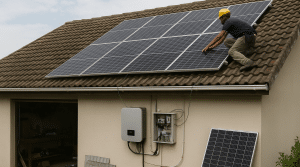
Installation requires thorough preparation to ensure the geyser integrates into your roof structure. This involves professional assessment of surface load capacity, particularly if you are moving from a standard electric geyser to a heavy solar-ready tank.
Evaluating roof structural integrity and orientation
Before mounting, specialists must assess the existing rafter framework for weight distribution. If your roof is oriented away from ideal solar angles, additional structural mounting plates may be required. ZenSolar engineers ensure that all mounting components are installed with professional precision, accounting for local wind loads and regional weather patterns typical to the Highveld.
Plumbing infrastructure and geyser placement
Efficient plumbing is the backbone of your system’s output. Geysers should be positioned to minimise the distance hot water travels between the tank and your most frequently used taps. For properties in Sunninghill or nearby suburbs, professional firms like Geysers Only provide comprehensive audits to evaluate if your current pipe layout is suitable for a thermal circulation boost or if specific plumbing upgrades are necessary.
Regulatory requirements and local council compliance
Ensuring your system is compliant with local municipal codes is essential for insurance purposes. You must confirm that the geyser adheres to the South African National Standards for energy installation. This process typically includes a valid Certificate of Compliance (CoC) provided upon completion. ZenSolar manages all necessary administrative steps to ensure that your setup is fully compliant with regional planning and environmental standards.
Maintaining your solar geyser for longevity
Proper care extends the life of your investment significantly. By following a regular audit schedule, you prevent minor issues from transforming into expensive maintenance tasks down the line.
Routine safety valve checks and pipe inspection
Safety valves are the front line of defence against pressure buildup in your system. A technician should perform an annual inspection of the temperature and pressure (T&P) valve, ensuring it discharges correctly. If you observe any continuous drips or signs of wear on the insulation of external pipes, these should be addressed immediately to maintain the solar energy efficiency of your unit.
Managing element replacement and electric backup integration
Even in a robust setup, your electric backup element acts as the fail-safe for periods of extended cloud cover. It is advisable to have this element tested every few years to confirm the thermostat is triggering correctly. ZenSolar engineers suggest the following maintenance tasks be performed by a professional once a year:
- Inspect the sacrificial anode to prevent premature tank corrosion.
- Check electrical connections for signs of oxidation or moisture ingress.
- Flush the system to remove mineral build-up inside the pipes.
- Verify that the timer or smart controller is correctly cycling the element.
Regular thermal performance checks are the secret to maintaining consistent household energy savings over the long term. A clean, well-monitored system generally maintains its efficiency ratings significantly longer than one left to deteriorate.
Cleaning collectors for optimal thermal performance
Over time, dust and debris can settle on your collector surface, reducing the amount of solar radiation that hits the absorber plate. While the seasonal rain often manages this, it is good practice once a year to wash the collector surface gently with water to ensure it operates at peak thermal performance. This simple act keeps the energy yield high enough to limit your reliance on the backup electric heating element.
Conclusion
Installing a solar geyser in Midrand is an effective step toward managing your household energy costs with long-term reliability. By focusing on quality hardware and partnering with experienced installers, you create an energy-independent home that stands the test of time.
Frequently Asked Questions
How long does a typical solar geyser last?
High-quality solar geyser systems are designed to last between 10 to 15 years, provided they undergo regular annual maintenance and inspection of the tank and collectors.
Can I still get hot water on cloudy days?
Yes, most systems include an electric or gas backup element that engages during periods of low sunlight to ensure a continuous supply of hot water for your household.
Does my roof need specific reinforcement for a solar geyser?
Most modern residential roofs are strong enough to support a solar geyser, but a professional installer will always perform a structural check to ensure the beams can handle the weight of the water-filled tank.
Is it possible to install a solar geyser in an apartment complex?
Solar geyser installations in apartment complexes or estates are possible, though they usually require approval from the body corporate and a professional assessment of the shared plumbing and roof infrastructure.
How much can I save on my electricity bills?
While savings vary depending on usage patterns, the average homeowner can significantly reduce their monthly energy consumption for water heating by correctly sizing the system for their daily requirements.
What is the purpose of the anode inside the geyser tank?
The anode, often called a sacrificial anode, is a rod designed to corrode before the tank itself does, capturing corrosive elements in the water to prevent rust from damaging the internal steel lining of your geyser.
Do I need to clean the solar collectors frequently?
In most cases, natural rainfall keeps the collectors sufficiently clean; however, a manual wash once a year to remove dust or accumulated grime helps maintain the highest possible absorption efficiency for your water heating.
Ready to take the next step with solar?
Speak to the ZenSolar team about the right system for your home or business — every system we sell is installed and supported through our manufacturer-approved installers.