Key Takeaways
Choosing a provider for your renewable energy system requires attention to detail and a focus on long-term value. These core points will guide your search for qualified professionals:
- Prioritise companies that maintain transparent business registration and professional certifications.
- Evaluate the full scope of services from initial design to ongoing system monitoring.
- Request detailed case studies to verify expertise with your specific roofing structure.
- Use financial tools to calculate long-term return on investment over a five to ten-year period.
- Always confirm that your installer provides clear documentation for both manufacturer and workmanship warranties.
Evaluating the credentials of Midrand solar installers
Selecting a reliable installer begins with an objective assessment of their professional legitimacy. You need to ensure the partner you choose has the administrative and technical foundation required for a safe, code-compliant deployment.
Checking accreditation with SAPVIA
Accreditation serves as a primary marker of industry alignment. While not every provider holds the same memberships, checking whether solar companies in midrand engage with recognised industry bodies provides a baseline for their commitment to professional standards. You should proactively ask about their internal compliance processes and how they stay updated with local safety regulations.
Reviewing technical certifications and safety standards
Technical competence is best demonstrated through documented qualifications rather than verbal assurances. Look for installers whose staff hold relevant electrical certifications required for working on high-voltage systems. Safety should be a non-negotiable factor, with clear protocols in place regarding work-at-height procedures and electrical bonding.
Validating business registration and local tax compliance
Working with an established entity protects your investment and ensures they will remain operational for the life of your warranty. Verify the company’s length of time in business and request proof of tax compliance. A stable, long-running business is better positioned to honour long-term equipment service requirements compared to a recently formed, unverified contractor.
Understanding the scope of solar services offered
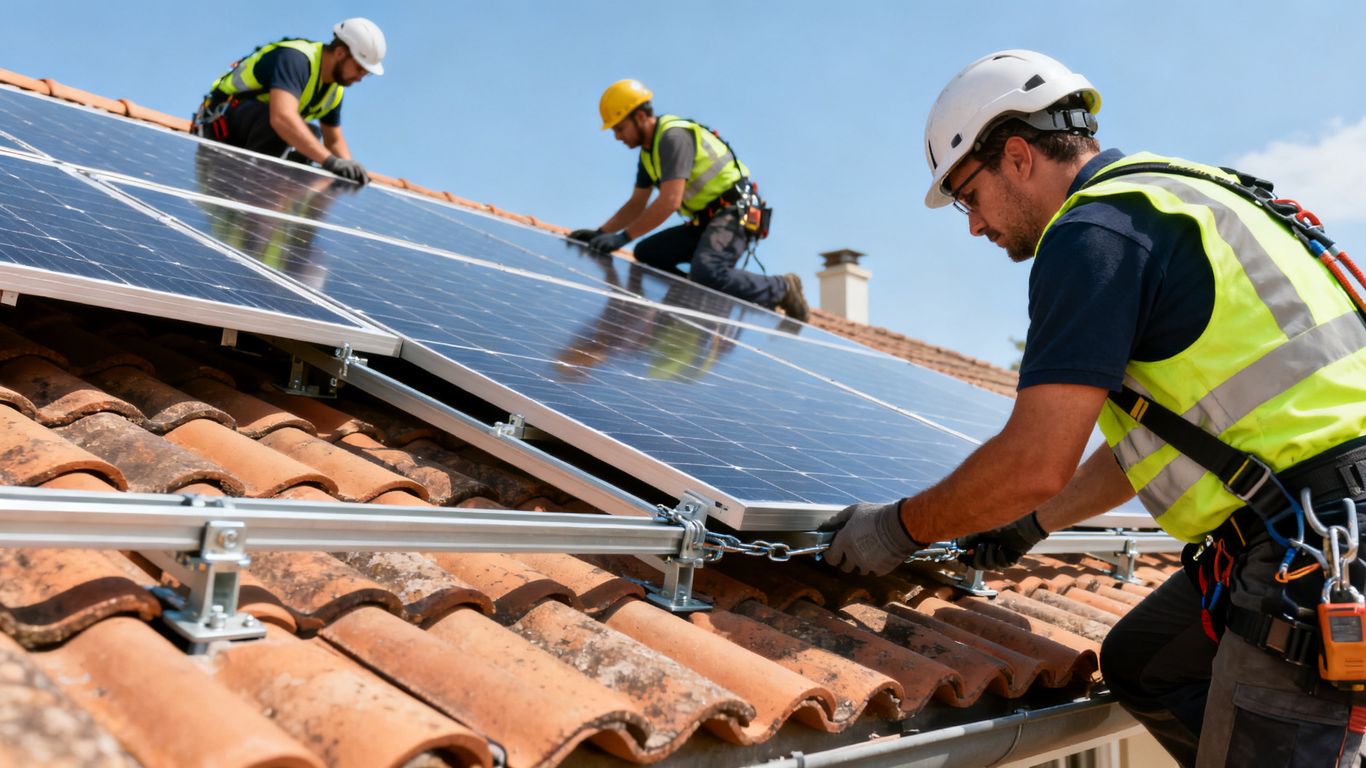
Knowing exactly what a provider delivers prevents service gaps after the installation phase. Some firms act as pure supply chains, while others provide end-to-end management of the entire energy lifecycle.
Full-service installations versus component supply
ZenSolar operates as a comprehensive service provider, managing the engineering and installation process rather than just selling standalone parts. A full-service approach ensures that every component is compatible and that the system architecture is optimised for your specific consumption patterns.
Maintenance, monitoring, and repair capabilities
Once the system is active, continuous oversight is necessary to ensure efficiency. When selecting your provider, establish whether they offer proactive monitoring to detect faults before they escalate. A solar installation is a long-term asset, and having a dedicated team ready to perform inverter repair or battery health checks ensures your energy production remains consistent.
Off-grid versus grid-tied system specialisations
Different system requirements demand distinct design philosophies. Grid-tied installations focus on reducing monthly bills through net-metering usage, whereas off-grid solutions require a more complex battery and inverter layout. Ensure that the installer has demonstrated success with the specific topology your house or business needs to maintain consistent power flow.
Assessing local project experience and track record
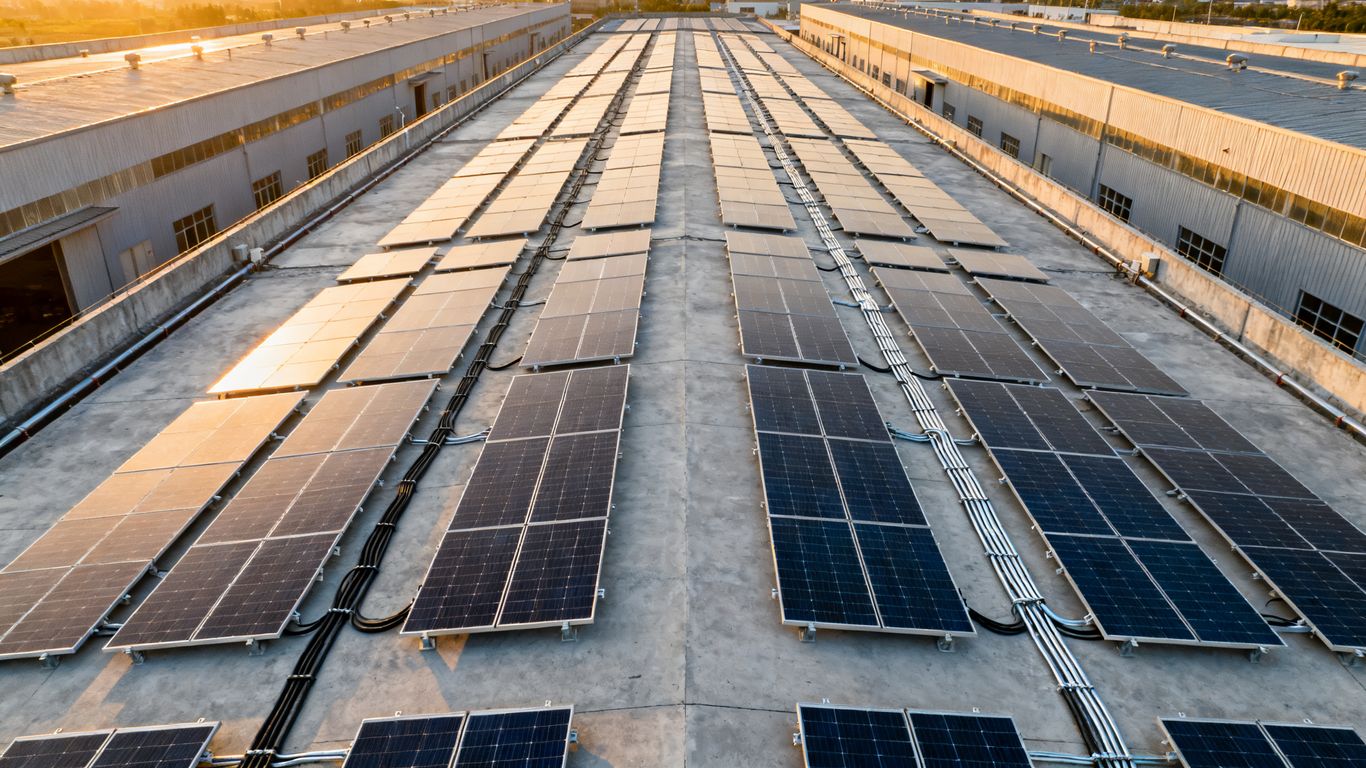
Theoretical knowledge regarding solar photovolatic technology must be balanced with practical, site-specific experience. An installer that has worked on similar structures in your area will likely avoid common installation hurdles.
Analysing case studies of Midrand-based installations
Reviewing past work allows you to gauge the quality of workmanship and aesthetic finish. Ask for examples of local installations and inspect the technical design if possible.
Identifying expertise in specific roof types and structures
Not all roofs are suitable for solar mounting without modification. Your installer must be able to assess roof pitch, orientation, and structural integrity. The following list highlights typical factors they should evaluate during an on-site survey:
- Roof material durability and waterproofing integrity
- Shading analysis from surrounding structures or vegetation
- Structural capability to support weight of panels and racking
- Cable routing paths to maintain structural and aesthetic control
Considering scale: residential versus commercial systems
Commercial projects require a different set of administrative and engineering controls than residential builds. Scaling your requirements correctly is the most rational economic decision you can make to ensure you do not over-invest in capacity that your site cannot utilise effectively.
Establishing realistic financial expectations
Transparency in costing is critical when comparing tenders from competing solar companies in midrand. A cheap quote often masks poor-quality hardware or inadequate protection measures that lead to higher costs later.
Comparing quotes for hidden costs and equipment quality
Compare itemised quotes to see exactly what products are being installed.
| Item Category | Cost Consideration | Quality Marker |
|---|---|---|
| Panel Modules | Multi-busbar designs | tier-one manufacturer ratings |
| Inverter Units | Pure sine wave output | high efficiency conversion rates |
| Battery Storage | Lithium Iron Phosphate | cycle life certification |
Selecting premium solar panels pays off through consistent performance and fewer failures, which is vital for securing predictable energy costs over time.
Understanding financing options and solar leasing
Investigate how your chosen installer handles financing structures like rentals or rent-to-own schemes. ZenSolar offers tailored solar ROI assessments to help you understand the long-term impact on your balance sheet, ensuring the financial model fits your current cash flow or depreciation strategy.
Evaluating the long-term ROI of tailored energy solutions
Look for a projected payback period that reflects your actual consumption and the current tariff structure. An honest provider will provide data-driven estimations on when you can expect your energy savings to exceed the initial capital expenditure.
Navigating insurance, warranties, and after-care
Protecting your asset requires an understanding of the legal and service frameworks surrounding the equipment. Clear communication now prevents disputes after the commissioning phase.
Differentiating between manufacturer and installation warranties
Manufacturers guarantee the durability of panels and inverters, but the physical installation work is covered by the installer. ZenSolar guarantees that all work adheres to high standards, providing you with a reliable interface for claims should any installation-related fault arise.
Understanding service-level agreements for system uptime
For businesses, a service-level agreement defines how quickly a technician must respond to a critical system failure. Ensure this is documented in your contract so the company is contractually obligated to assist when you need it.
Verifying comprehensive insurance coverage during installation
Confirming that your installer carries valid contractor insurance protects you against liability for accidents or damage during the construction process. Always request a certificate of currency before work begins.
Conclusion
Choosing a solar partner is about balancing technical expertise with reliable professional support for your long-term energy needs. By focusing on certified providers who offer transparent pricing and detailed after-care, you secure an asset that protects your energy independence in the coming years.
Frequently Asked Questions
Why is an on-site survey required for a quote?
An on-site survey allows the installer to assess specific roof conditions, electrical board capacity, and potential shading issues that an automated calculator cannot see.
How long should a solar power installation take?
A standard residential installation usually spans three to five days depending on system complexity, roof size, and the need for additional electrical work.
What does an inverter do in a solar system?
The inverter is the core component that converts direct current produced by solar panels into usable alternating current for your home electrical appliances.
Can solar panels work during overcast weather?
Yes, panels continue to capture diffuse sunlight even on cloudy days, though their overall power output will be lower compared to a clear, sunny day.
How often should solar panels be cleaned?
Cleaning needs depend on local environmental conditions, but twice a year is typically sufficient to maintain optimal energy collection efficiency.
What is considered a good return on investment period?
A typical payback period for residential systems currently ranges from four to eight years, depending on your system size and local electricity tariff rates.
Will solar increase my property value?
Properties equipped with stable, grid-independent energy systems are increasingly attractive to buyers, often leading to a higher resale value compared to those without solar capability.
Ready to take the next step with solar?
Speak to the ZenSolar team about the right system for your home or business — every system we sell is installed and supported through our manufacturer-approved installers.