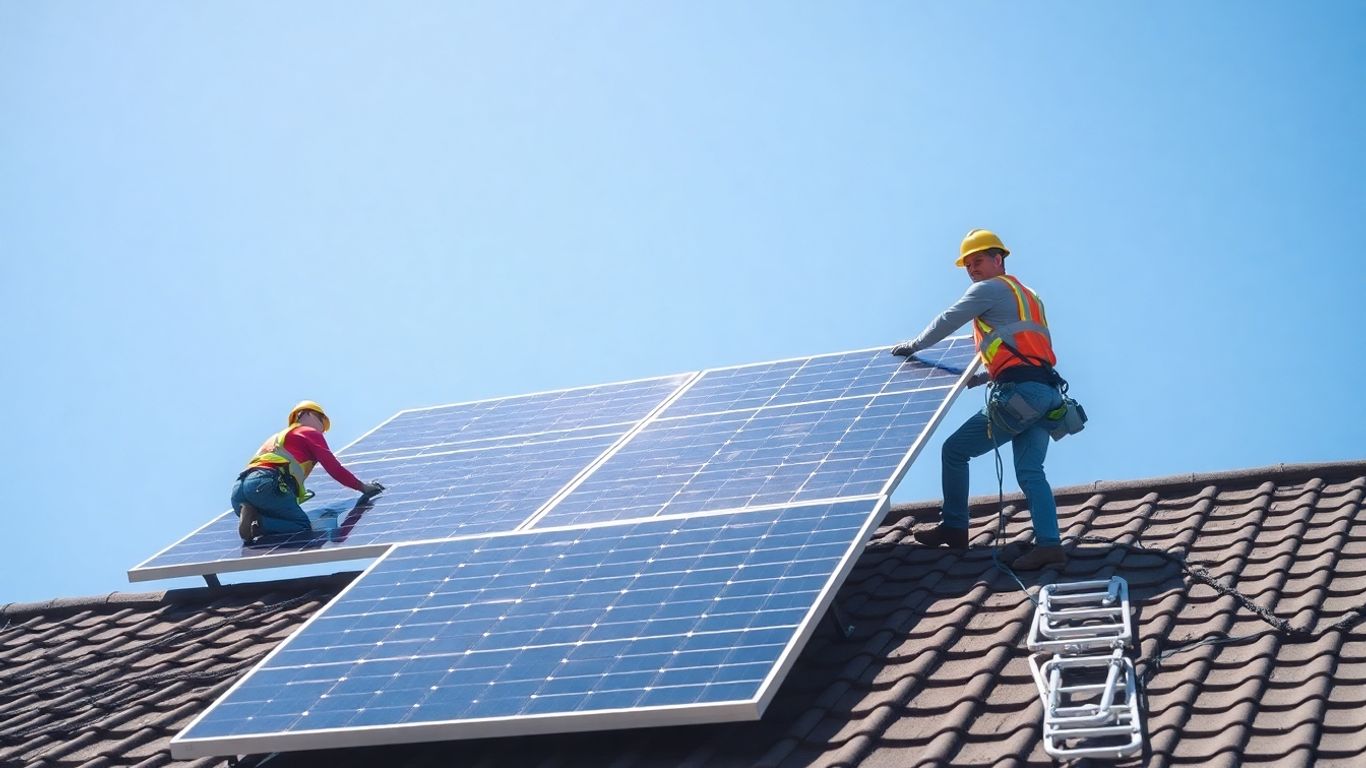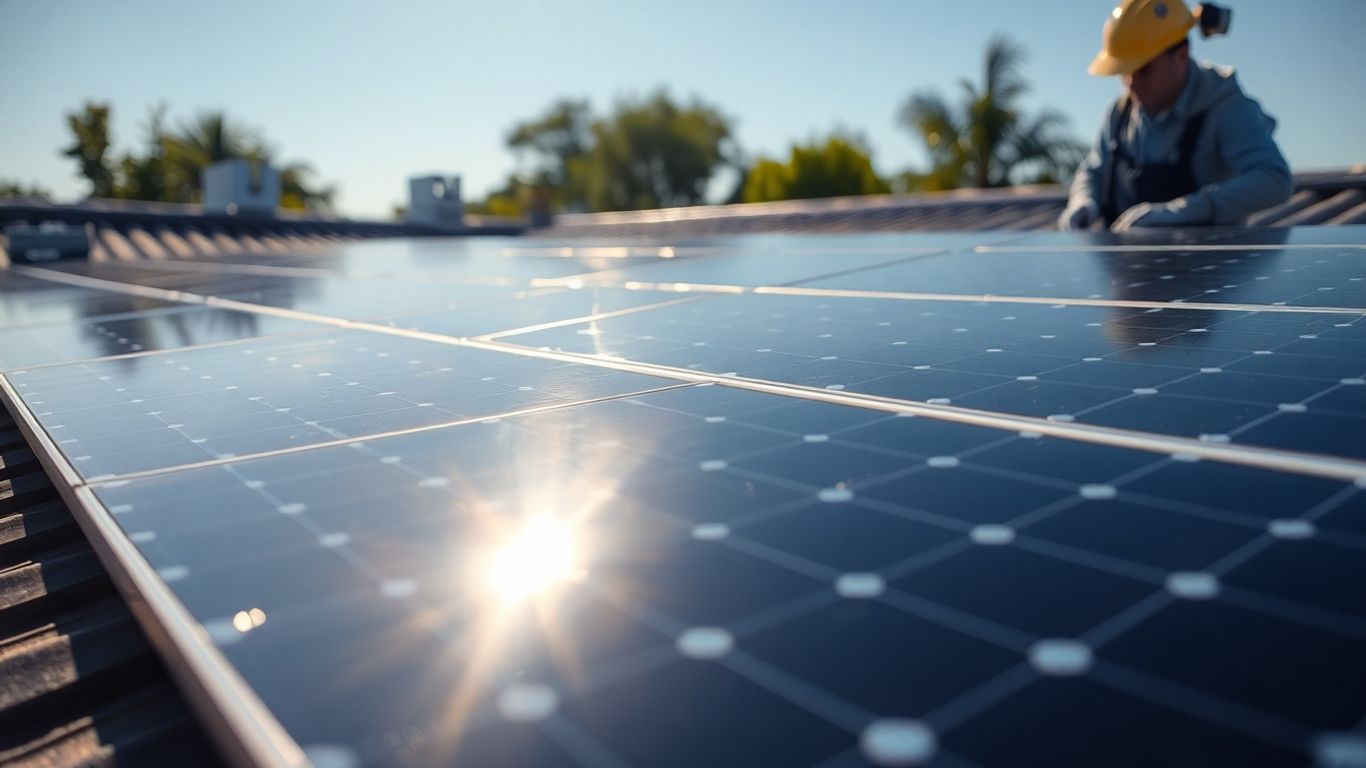
Thinking about putting solar panels on your roof? It’s a big step, and getting ready for the installation is half the battle. You don’t want to be caught off guard when the crew shows up. This guide breaks down how to prepare for a solar panel installation, covering everything from figuring out how much power you actually need to making sure the installers can do their job safely and efficiently. Let’s get your home ready to catch some rays!
Key Takeaways
Figure out how much electricity your home uses so you can size your solar system correctly.
Check your property for the best spot for panels, looking at sunlight and any shade.
Look into financing options and any available government incentives or rebates to save money.
Pick a solar installer you trust and who has good reviews.
Make sure your roof is safe for workers and that you have all the necessary permits before installation day.
1. Determine Your Energy Needs
Before you even think about solar panels, the very first thing you need to figure out is just how much electricity your household actually uses. It sounds simple, but it’s the most important step for getting a system that works for you. You don’t want a system that’s too small and leaves you still relying on the grid, or one that’s way too big and costs you more than you need to spend.
To get a clear picture, dig out your electricity bills from the last 12 months. Look at the \”kilowatt-hours\” (kWh) used each month. This will give you a solid baseline. Think about any big changes coming up too. Are you planning to buy an electric car soon? Thinking about adding a hot tub? Or maybe a new, energy-guzzling appliance? If so, you’ll want to factor that extra usage into your calculations.
Understanding your home’s energy habits is like knowing your own budget before making a big purchase. It prevents overspending and ensures you get exactly what you need. This detailed look at your past usage helps size your solar system correctly, making sure it can handle your current demands and any anticipated increases down the road.<\/p><\/blockquote>
Your solar installer will use this information to design a system that’s just right for your home. It’s all about making sure your investment makes sense for your lifestyle, both now and in the future.
2. Assess Your Property and Choose the Best Location
Alright, so you’ve got a handle on how much juice your house actually uses. Now, let’s talk about where these solar panels are actually going to live. This isn’t just about slapping them on any old roof space; it’s about finding the sweet spot for maximum sun exposure and making sure everything is safe and sound.
First things first, take a good, hard look at your roof. How much space do you actually have? You’ll want to measure it out. Don’t just eyeball it; grab a tape measure. If you have old house plans lying around, those can be a big help too. Knowing the square footage helps figure out how many panels can fit.
Next up, play detective with shadows. Seriously, look around your property. Are there tall trees that cast long shadows, especially in the afternoon? What about nearby buildings or even that chimney you’ve got? Even a little bit of shade can really mess with how much power your panels generate. You want them soaking up as much sun as possible, all day long.
Here’s a quick rundown of what to look for:
Roof Space: How much usable area do you have? Are there vents, skylights, or other things taking up space?
Orientation: Which way does your roof face? South-facing is usually the gold standard in the Northern Hemisphere, but east and west can work too.
Shading: Identify any trees, buildings, or other obstructions that might block the sun at different times of the day or year.
Roof Condition:Is your roof in good shape? It needs to be able to handle the extra weight of the panels.
Sometimes, you might have a perfectly good roof, but a chimney is right in the prime spot. In cases like that, you might need to think about moving that fixture. It’s extra work, sure, but it’s better than having your expensive new panels underperforming because of a shadow.
Don’t forget to consider the structural integrity of your roof. While solar panels aren’t excessively heavy, they do add weight, and you want to be sure your roof can support them, especially considering wind and snow loads in your area. A professional assessment here is often a smart move.
Think about ground mounts too, if your roof isn’t ideal. Sometimes, setting up panels on a pole in your yard can be a better option, especially if you have plenty of open space that gets good sun.
3. Evaluate Your Solar Potential
Okay, so you’ve figured out how much electricity you actually use. Now comes the fun part: seeing if your house is even a good candidate for solar panels. It’s not just about wanting them; it’s about whether your property can actually make them work well.
First off, let’s talk about your roof. How much space do you actually have up there? You’ll need to measure the usable area. Think about the direction it faces too – south-facing roofs in the Northern Hemisphere are usually the sweet spot for catching the most sun. But don’t worry if yours isn’t perfect; installers can often work with east or west-facing roofs, though you might get a bit less power.
Then there’s the shade situation. Are there tall trees nearby? Neighboring buildings? Even a chimney or a vent pipe can cast a shadow that really messes with how much power your panels can generate. You’ll want to check this throughout the day, and maybe even at different times of the year if you can. A little bit of shade might be manageable, but a lot of it can be a deal-breaker or mean you need more panels than you initially thought.
Here’s a quick rundown of what to look at:
Roof Size and Shape: More space generally means more panels, but complex roof designs can make installation tricky.
Roof Orientation: South-facing is ideal, but east and west can still work.
Shading: Identify any trees, buildings, or roof obstructions that could block sunlight.
Roof Condition: Is your roof old? Does it need repairs? You don’t want to put expensive panels on a roof that needs work soon.
You’re essentially trying to figure out the maximum amount of sunlight your property can capture over the year. This involves looking at the available space, the angle of the sun, and any potential blockages. It’s a bit like finding the best spot in your yard for a vegetable garden – you want sun, space, and minimal interference.
If your roof isn’t ideal, don’t despair just yet. Sometimes, ground-mounted systems are an option if you have enough yard space. It’s all about finding the best fit for your specific home and location.
4. Explore Financing Options
Alright, so you’ve figured out how much power you need and where those panels are going to go. Now comes the part that can make or break the whole deal: figuring out how to pay for it all. It’s not like buying a new toaster, this is a pretty big investment, so you want to get it right.
There are a few main ways people go about this. You can just pay cash upfront if you’ve got the savings – that’s usually the simplest way to go, no interest to worry about. Then there are solar loans. These are basically loans specifically for solar installations, and they can be a good option if you don’t have all the cash lying around. You’ll want to shop around for the best interest rates, just like any other loan.
Another route is leasing. With a lease, you’re essentially renting the solar panel system from a company. You don’t own it, but you get the benefit of the electricity it produces, usually at a lower rate than your utility company. This often means little to no upfront cost, which is appealing to a lot of folks.
Then you’ve got Power Purchase Agreements, or PPAs. This is a bit like a lease, but instead of paying a monthly fee for the system, you pay for the actual electricity it generates. The price per kilowatt-hour is usually fixed, which can offer some predictability.
Don’t forget to look into any national, provincial, or local incentives that might be available. Sometimes these can significantly lower the overall cost, no matter which financing option you choose. Talking to a few different installers can also give you a clearer picture of what financing options they work with and what might be best for your specific situation.
5. Understand Solar Incentives and Rebates
Okay, so you’ve figured out how much power you need and where the panels might go. Now for the part that can really make your wallet happier: incentives and rebates. These aren’t just small discounts; they can seriously cut down the upfront cost of going solar.
Think of it like this: the government and sometimes your local utility company want you to switch to clean energy, so they offer a little help. This can come in a few different forms.
SARS solar rebate: South Africa previously ran a rebate for individual taxpayers who bought new, unused solar panels, but that scheme only covered panels installed between March 2023 and February 2024 and has since closed.
Provincial and Local Rebates: Many provinces, cities, and even some utility companies have their own programs. These might be direct cash rebates, property tax exemptions, or performance-based incentives where you get paid for the energy your system produces.
Net Metering: This is super important for how you’ll be credited for any extra power your panels generate. Basically, if your system makes more electricity than you’re using at a given moment, that excess power can be sent back to the grid. Your utility company will then credit your account for that energy. The way they credit you can vary a lot, so find out what your local utility’s policy is.
It’s really important to do your homework here. What’s available can change year to year, and sometimes even month to month. Don’t just assume you know what’s out there; look it up specifically for your area and talk to your installer about it. They usually know the ins and outs of these programs.<\/p><\/blockquote>
Figuring out your payback period – how long it takes for your system to pay for itself through energy savings and incentives – is a lot easier when you factor all these potential savings in. It’s not just about the sticker price; it’s about the total investment over time.
6. Choose a Reliable Solar Installer
Picking the right company to install your solar panels is a big deal. It’s not just about getting the panels on your roof; it’s about making sure the job is done right, safely, and that you’re covered if anything goes wrong down the line. You want a company that knows what they’re doing and has a good track record.
When you’re looking around, here are a few things to check:
Experience and Reputation: How long have they been in business? What do their past customers say? Look for reviews online or ask neighbors who have gone solar.
Licensing and Insurance: This is super important. Make sure they have the proper licenses for your area and are fully insured. This protects you if something happens during the installation.
Warranties: What kind of warranties do they offer on their workmanship? Good installers stand behind their work.
Certifications: Are their installers certified by industry organizations? This shows they’ve met certain standards.
Don’t be afraid to get multiple quotes from different installers. This helps you compare prices, equipment options, and the overall approach each company takes. It’s a significant investment, so taking your time to find the right partner is well worth it. You can check out resources that help you vet installers, like those that provide lists of licensed and certified professionals.
It’s easy to get caught up in the excitement of going solar, but remember that the installer is your main point of contact for the entire project. A good installer will guide you through the process, answer all your questions, and make sure you understand everything from the system design to the final inspection. They should be transparent about costs, timelines, and what to expect.
Think of it like hiring someone to do a major renovation on your house. You wouldn’t just pick the first name you saw, right? You’d do your homework. The same applies here. A solid installer will make the whole experience much smoother and give you peace of mind.
7. Get a Solar Site Evaluation
Okay, so you’ve figured out how much power you need and where you think the panels should go. But before you sign anything, it’s time for the pros to take a look. This is where a solar site evaluation comes in. Think of it as a really important check-up for your house, specifically for solar.
A good installer will send someone out to your place to get the nitty-gritty details. They’re not just looking at your roof from the street; they’re getting up there (safely, of course!) to see what’s what. They’ll check:
The condition of your roof: How old is it? What’s it made of? Is it strong enough to hold panels for the next 25 years or more? If your roof needs work, it’s way better to do it before the solar panels go on. Trust me, you don’t want to pay to remove and reinstall panels later.
Shading: This is a big one. Are there trees nearby that will cast shadows? What about chimneys, vents, or even a neighboring building? Even a little bit of shade can really cut down on how much power your panels produce.
Available space: They’ll measure the usable areas on your roof, figuring out exactly how many panels can fit and where they’ll get the most sun.
Your electrical panel: They need to see if your home’s main electrical panel can handle the new solar system. Sometimes, an upgrade is needed.
This evaluation isn’t just about ticking boxes. It’s about making sure the system they design for you will actually work well and be safe.
The site evaluation is your chance to ask all those lingering questions. Don’t be shy! It’s better to get clarity now than to have surprises down the road. Ask about the process, the equipment, and what happens if something goes wrong.
After the evaluation, the installer should give you a much clearer picture of what’s possible for your home, including a more accurate quote and system design. It’s a vital step before you commit.
8. Review Your Solar Panel System Design
After the site evaluation, your installer will put together a plan for your solar setup. This is your chance to really look at what they’re proposing. It’s not just about slapping panels on the roof; it’s about making sure the whole system makes sense for your home and your energy goals.
Think about where exactly the panels will go. Are they going to be on the sunniest parts of your roof? What about any vents, chimneys, or other things already up there? The design should show how they’ll work around those or if anything needs to be moved. Also, check out the \”inverter\” – that’s the box that changes the power from your panels into something your house can use. Where will that be located? It needs to be somewhere accessible but also protected from the weather.
Here’s a quick rundown of what to look for:
Panel Placement: Where on the roof will the panels be installed? Does it maximize sun exposure throughout the day and year?
Shading: Has the design accounted for any potential shading from trees or nearby structures? How will it minimize any impact?
Equipment Location: Where will the inverter, disconnects, and any other necessary equipment be placed?
Wiring Runs: How will the wires be routed from the panels to the inverter and then to your electrical panel? Is it neat and safe?
Don’t be afraid to ask questions. If something in the design doesn’t seem right or you don’t understand it, speak up. It’s better to get it clarified now than to have issues later. A good installer will be happy to walk you through every detail and make adjustments if needed.
Sometimes, the installer might suggest different types of panels or inverters. They might show you a table like this to help explain the differences:
Component Type | Key Feature | Benefit | |||||||||
|---|---|---|---|---|---|---|---|---|---|---|---|
Monocrystalline Panels High efficiency, sleek black appearance Best for limited roof space, maximum power output Polycrystalline Panels Good efficiency, blue speckled appearance More budget-friendly, suitable for larger roofs String Inverter Connects multiple panels in a series Generally lower cost, simpler installation Microinverters One per panel, converts DC to AC at the panel Better performance in shaded conditions, panel-level monitoring
This design is the blueprint for your entire solar investment, so take the time to review it thoroughly. Make sure it aligns with what you discussed during the initial consultations and that you’re comfortable with the proposed layout and equipment. Alright, so you’ve picked out your panels, sorted out the money stuff, and signed on the dotted line. Now comes the part where you get your place ready for the actual installation. It’s not super complicated, but a little prep goes a long way to make sure the day goes smoothly. First things first, you’ll want to make sure the crew can actually get to where they need to go. This means clearing out any clutter around the areas where they’ll be working, especially if they need access to your roof or a specific spot for the inverter and electrical boxes. Think of it like making space for a big delivery – you wouldn’t want them tripping over garden gnomes or having to move your patio furniture. Here’s a quick rundown of what to consider: Clear Access: Ensure pathways to the roof or installation area are free of obstructions. This includes trimming back any overgrown bushes or trees that might get in the way. Inverter & Electrical Panel Location: Confirm the designated spot for your inverter and any new electrical panels is accessible and clear. Your installer will have discussed this with you, but it’s good to double-check. Pet and Child Safety: If you have pets or young children, make arrangements to keep them safely away from the work area during the installation days. Vehicle Parking: Plan where the installation vehicle(s) will park. Sometimes they need a bit of space, so consider if your driveway or street parking needs adjustment. It’s also a good idea to have a copy of your final contract and the installation schedule handy. This way, you know exactly what to expect and when. If anything seems off, you can refer back to your agreement. Basically, you’re just trying to create a safe and easy environment for the installation team. The more prepared you are beforehand, the quicker and less disruptive the actual installation process will be. It’s all about setting the stage for success so you can start enjoying that solar power sooner rather than later. Alright, so the panels are finally on your roof, or wherever they’re going. That’s a huge step! But we’re not quite done yet. The next big thing is getting everything checked out. This is where the official inspection happens. Think of it like this: the city or county needs to make sure the installation is safe and follows all the rules. It’s not just about slapping panels up there; it’s about making sure the wiring is correct, the structure is sound, and everything is up to code. This inspection is a mandatory step before your system can be officially turned on and connected to the grid. Here’s a general idea of what to expect: Scheduling the Inspection: Your installer usually handles this, but sometimes you might need to coordinate with your local building department. They’ll give you a window when the inspector is expected to show up. The Inspector’s Role: They’ll come out and look at the installation. They’re checking the physical mounting, the electrical connections, and making sure it all matches the approved plans. Passing the Inspection: If everything looks good, you’ll get the green light. If there are minor issues, they’ll tell you what needs fixing, and the inspector will come back to re-check. Most of the time, the local building department’s inspection is all that’s needed. However, some utility companies might want their own look-over, though this is less common. It’s all about making sure your new solar setup is safe and sound. After the inspection passes, you’ll usually get a sign-off document, which is important for the next step: getting permission to operate. This whole process, from the physical installation to the final sign-off, is designed to protect you and ensure your solar system works reliably for years to come. It might seem like a hassle, but it’s a really important part of the journey to clean energy. Once you have that inspection report in hand, your installer will use it to finalize the process with the utility company, which leads to getting your system officially turned on. You can find more details on best practices for these inspections here. Alright, so your solar panels are up and looking sharp. Now comes the part where you officially connect your shiny new system to the power grid. This is called interconnection, and it’s pretty important. Basically, you’ve already done some of the legwork here. Remember when you applied for permits and got the green light from your utility company? This is the final step of that process. Your installer will usually handle sending the signed inspection report to the utility. Once they get that, they’ll give you the official \”Permission to Operate\” (PTO). This PTO is your golden ticket to start using your solar power and sending any extra back to the grid. Here’s a quick rundown of what happens: Utility Review: The utility company checks that everything was installed according to their rules and your approved plan. Meter Swap (Sometimes): They might need to swap out your old electric meter for a new one that can track both the electricity you use from the grid and the electricity your solar panels send back. Official PTO: Once they’re satisfied, they’ll issue that Permission to Operate. Don’t turn your system on before you get this! This whole interconnection process can take a little while, sometimes weeks, depending on your utility company. It’s a bit of a waiting game, but it’s a necessary step to make sure everything is safe and accounted for. Think of it like getting the final okay from the city before you can move into your new house. You can’t really start living there until all the official paperwork is done, right? Same idea here. Once you have that PTO, you’re good to go and can start enjoying your solar energy. Getting the most out of your solar panels really comes down to making sure they get as much direct sunlight as possible throughout the day. This isn’t just about pointing them up; it’s about understanding how the sun moves across the sky over the seasons and how that interacts with your home. Think about what might be blocking the sun. Are there tall trees nearby that cast long shadows, especially in the morning or late afternoon? What about neighboring buildings or even parts of your own house, like chimneys or vents? Even a little bit of shade can really cut down on how much electricity your panels can produce. It’s worth taking some time to observe your roof at different times of the day and year to spot these potential issues. Observe your roof throughout the day: Note where shadows fall and when. Consider seasonal changes: The sun’s path is lower in the winter and higher in the summer. Trim back obstructions: If trees are the problem, consider trimming branches that hang over your roof. Sometimes, the best spot for panels might not be the most obvious one. Your installer will look at the angle of your roof and its direction (south-facing is usually ideal in the Northern Hemisphere) to figure out the optimal placement. If your roof’s orientation isn’t perfect, don’t worry too much. More efficient panels can often make up for it, though they might cost a bit more upfront. The goal here is to get those panels soaking up as much sun as they can, for as long as they can, every single day. It might mean a little extra planning or trimming a few branches, but it pays off in the long run with more power generated and a better return on your investment. When it comes to putting solar panels on your roof, safety is the absolute top priority. You don’t want anyone, whether it’s you or the installation crew, taking a tumble. Think of your roof like a worksite – it needs to be prepped for people to move around on it safely. Before anyone even steps foot up there, it’s a good idea to figure out the strongest spots. These are usually where the roof beams or trusses are located. Marking these areas can give installers clear pathways and safe places to stand. It’s like drawing a map for them so they know where to go and where to avoid. Here’s a quick rundown of what to think about: Identify structural supports: Look for rafters and beams. These are your anchor points. Clear the path: Make sure there are no loose tiles, debris, or other tripping hazards. Consider ladder placement: Where will the ladder safely lean against the house and reach the work area? Working on a roof can be dangerous. If you’re not comfortable with heights or unsure about structural integrity, it’s always best to leave the roof access planning and execution to the professionals. They have the right gear and know-how to manage these risks. Having a clear plan for roof access helps the whole installation process go smoother and, more importantly, keeps everyone out of harm’s way. It’s a small step that makes a big difference in preventing accidents and ensuring the job gets done right. You can find more details on roof considerations for solar installations on pages like solar panel installation. Alright, so you’ve picked out your panels, figured out where they’re going, and maybe even started dreaming about those lower electricity bills. But hold on a sec, before you get too far ahead of yourself, there’s a bit of paperwork to sort out. We’re talking about permits. Yeah, I know, not the most exciting part, but super important. Basically, putting up a solar system counts as construction and electrical work, and most towns, cities, or counties want to know about it. They need to make sure everything is up to snuff safety-wise and follows the rules. This usually means getting a permit from your local building department. Sometimes, you might need more than one, depending on where you live. It’s like getting permission slips for your house. Here’s a quick rundown of who you might need to talk to: Local Government: This is your main stop. Your city or county building department will have specific requirements and application forms. They’re the ones who will eventually inspect the work. Utility Company: Your electric company needs to know you’re adding a solar system to the grid. They’ll likely review your system’s design and electrical diagrams to make sure it’s compatible and safe. Homeowner’s Association (HOA): If you’re part of an HOA, definitely check their rules. While they can’t usually stop you from installing solar, they might have guidelines on panel placement or appearance. It’s better to know their stance upfront. The application process itself can take a few weeks, sometimes longer, so it’s best to get this started early. You’ll typically need to submit site plans, detailed system designs, and electrical wiring diagrams. Getting these documents right is key to avoiding delays. If this sounds like a headache, many installers offer permitting services to handle it for you. Don’t skip this step! Trying to install solar without the proper permits can lead to fines, having to take the system down, or big problems when you try to sell your house later. It’s just not worth the risk. Alright, so you’re ready to get your hands dirty with this solar panel installation. That’s awesome! But before you start, let’s talk tools. You can’t just grab a screwdriver and call it a day. Having the correct tools makes the job go smoother and, more importantly, safer. Think about it like this: trying to build a shelf without a level or a drill? It’s going to be wobbly and look pretty rough. Solar panels are no different, and honestly, they’re a bit more complex and involve working at heights and with electricity. Here’s a rundown of what you’ll likely need: Basic Hand Tools: This includes things like wrenches, pliers, wire strippers, and a good set of screwdrivers. You’ll use these for all sorts of connections and adjustments. Measuring Tools: A tape measure is a must, obviously, but also consider a level to make sure everything is straight. A stud finder can be helpful for mounting. Power Tools: A sturdy power drill is going to be your best friend for making holes and driving screws. A power saw might be needed for cutting some mounting materials. Safety Gear: This is non-negotiable. We’re talking safety glasses, work gloves, a hard hat if you’re on the roof, and definitely a fall protection harness and lanyard. Don’t skimp here – your safety is worth way more than any tool. Electrical Tools: You’ll need a multimeter to test connections and voltage. Depending on your setup, you might also need a specialized crimping tool for certain connectors. Access Equipment: A reliable, sturdy ladder is key. Make sure it’s tall enough for the job and in good condition. You might be tempted to borrow tools or buy the cheapest option available. While some things are fine to get on the budget end, things like your safety harness or a reliable multimeter are where you really want to invest. A faulty tool can lead to a botched installation or, worse, an accident. Check with your installer or the kit manufacturer; they often provide a detailed list of recommended tools specific to their system. Don’t forget about things like caulk guns for sealing any holes you make, and maybe even a pry bar for minor adjustments. It’s better to have a tool and not need it than to need it and not have it when you’re halfway through the installation. Alright, so you’ve got your panels, your inverter, and maybe even a fancy monitoring system. But hold on, that’s not everything you’ll need to actually put this thing together. Think of it like building IKEA furniture – the big pieces are there, but you still need the screws, the little Allen wrench, and maybe some extra wood glue because, let’s be honest, sometimes things don’t fit perfectly. When you’re buying materials, it’s not just about grabbing stuff off the shelf. You need to be specific. For instance, the wiring needs to be the right gauge and rated for outdoor use, meaning it can handle the sun and weather without falling apart. And those connectors? They’re not just any old clips; you’ll want MC4 connectors, which are pretty standard for solar setups and designed to be weather-tight. Don’t forget things like conduit to protect your wires, junction boxes, and maybe even a new breaker or two for your electrical panel. It’s the little things that make a big difference in safety and how long your system lasts. Here’s a quick rundown of what you might still need to pick up: Electrical Wire: Make sure it’s UV-resistant and rated for outdoor use. The gauge will depend on your system’s size and distance from the inverter. Connectors: MC4 connectors are your friend here for panel connections. Conduit and Fittings: To run your wires safely and protect them from the elements. Junction Boxes: For making secure connections between wires. Breakers and Disconnects: As required by your local electrical codes for safety. Mounting Hardware: Even if your kit comes with a system, you might need extra clamps, bolts, or lag screws depending on your specific roof or ground mount. It’s really easy to overlook the smaller components when you’re focused on the big-ticket items like panels and inverters. But these are the bits that hold everything together, literally. Buying quality here means fewer headaches down the road, like loose connections or wires getting damaged by weather. Think about it – you don’t want to have to climb back up on the roof in a year to fix a corroded wire, right? And hey, don’t forget safety gear if you haven’t already sorted that out. Good work gloves, safety glasses, and maybe even a harness if you’re working on a steep roof. It’s better to have them and not need them than to need them and not have them. Your installer should have provided a detailed list, but it never hurts to double-check you’ve got everything before the big day. Alright, so you’ve got your panels, your inverter, and you’ve figured out where everything’s going. Now comes the part that holds it all up: the mounting system. This isn’t just about sticking some metal bits on your roof or in your yard; it’s the backbone of your entire solar setup. Getting this right means your panels will be secure, angled correctly, and ready to catch those rays for years to come. Think of the mounting system as the foundation for your solar array. Whether you’re going with a roof mount or a ground mount, the preparation is key. For roofs, this often involves finding those sturdy rafters – they’re the real heroes that will bear the weight. You’ll need to mark their locations precisely. If you can’t see them from the outside, a stud finder or a peek into the attic can help. Once marked, you’ll attach flashings, which are like little waterproof shields, and then bolt the actual racking rails to those flashings. These rails are what the panels will eventually sit on. Ground mounts are a bit different. Instead of rafters, you’re building a standalone structure. This usually means digging holes, pouring concrete footings to anchor everything firmly, and then assembling the metal framework. It’s a more involved process, sometimes requiring machinery to dig trenches for underground wiring, which is a must for code compliance. You’ll want to let that concrete cure properly, usually for about a week, before you start attaching the rails. Here’s a quick rundown of what’s involved: Locate structural supports: For roofs, find the rafters or trusses. For ground mounts, plan your concrete footings. Install attachment hardware: This includes flashings for roofs or the base structure for ground mounts. Secure the racking rails: These are the long pieces that the panels will attach to. The integrity of your mounting system directly impacts the performance and longevity of your solar panels. It needs to withstand wind, weather, and the weight of the equipment. Don’t cut corners here; a solid mount is non-negotiable. If you’re dealing with a tricky roof or a complex ground setup, it might be worth looking into professional help for this stage. Getting the permits sorted out is also a big part of this, and understanding local requirements can save a lot of headaches down the line. You can find a good overview of what’s needed for solar permit checklists in Canada, for example. Alright, so you’ve got your mounting system all set up. Now comes the part where we actually put the solar panels in place. This isn’t just about slapping them down anywhere; it’s about being smart with where they go to get the most sun. Think about your roof’s direction. In the Northern Hemisphere, south-facing is usually the sweet spot for maximum sun exposure throughout the day. But don’t forget about the time of year. Winter sun is lower in the sky, so you might need to adjust your thinking a bit. Also, keep an eye out for anything that might cast a shadow. Even a small tree branch or a vent pipe can make a difference in how much power your panels generate. It’s worth taking a good look at your roof at different times of the day to spot these potential shade culprits. Here’s a quick rundown of what to consider: Orientation: Aim for south-facing if possible, but east and west can also work depending on your energy usage patterns. Shading: Identify and avoid areas with trees, chimneys, or other obstructions that block sunlight. Roof Pitch: The angle of your roof plays a role. While most installations follow the existing pitch, sometimes adjustments can be made. Panel Spacing: Leave a little room between panels and any obstructions to allow for airflow and maintenance. Getting the placement just right is key to making sure your solar investment pays off. It might seem like a small detail, but the exact position of each panel can impact your system’s overall performance for years to come. Don’t rush this step. Double-checking measurements and considering all the angles will save you headaches down the line. It’s better to spend a bit more time planning now than to deal with reduced energy output later. Alright, so you’ve got your panels picked out, your location scouted, and maybe even your financing sorted. Now comes a part that might sound a little technical, but it’s super important: getting your wiring diagram ready. Think of this as the blueprint for how all the electricity your panels make is going to get safely into your house and be usable. This diagram is your roadmap for connecting everything correctly. Without it, you’re basically flying blind when it comes to the electrical side of things. Here’s why it’s a big deal and what you need to think about: Safety First: This diagram shows exactly how the DC power from your panels will be converted to AC power your home can use, and how it connects to your main electrical panel. Getting this wrong can be dangerous, so having a clear plan is key. Utility Company Approval: Most utility companies will want to see a copy of your wiring diagram before they approve your system for connection to the grid. They need to make sure it meets their standards. Installer’s Guide: Even if you’re not doing the installation yourself, your installer will use this diagram to make sure they’re building the system exactly as planned and approved. Troubleshooting: Down the road, if something goes wrong, this diagram is invaluable for figuring out where the problem might be. You’ll typically get a wiring diagram from your solar panel system manufacturer or designer. It’s not usually something you create from scratch unless you’re a qualified electrician. Make sure you have the most up-to-date version, especially if any part of your system design changed. So, before the actual installation day rolls around, make sure you’ve got a clear, approved copy of your solar system’s wiring diagram. It’s a small step that prevents a lot of potential headaches later on. Alright, so you’ve picked out your solar panels, figured out the financing, and even had that site evaluation done. The next big step is locking everything down with your chosen installer. This means signing on the dotted line for the contract and getting a clear picture of when all the work will actually happen. This contract is super important, so read it carefully before you sign. It’s not just a formality; it lays out exactly what you’re getting, how much it’ll cost, and what happens if things go sideways. Here’s what you should expect to see in that contract: System Details: What kind of panels, inverters, and mounting hardware are being used? Make sure it matches what you discussed. Total Cost: This should break down the equipment, labor, permits, and any other fees. Double-check that it aligns with your financing. Payment Schedule: When are payments due? Usually, there’s a deposit, a payment after equipment delivery, and a final payment after installation and inspection. Warranties: What kind of guarantees do you have on the equipment and the installation work itself? Know the duration and what’s covered. Project Timeline: This is where the installation schedule comes in. It should give you an estimated start date and completion date. The installation schedule is often an estimate, and things can shift. Weather is a big one – heavy rain or snow can push things back. Sometimes, there are delays in getting permits or equipment. A good installer will keep you in the loop about any changes and work with you to find a new date that works. Don’t be afraid to ask questions if anything is unclear. It’s better to get it sorted now than to have a surprise later. Once that contract is signed and the schedule is set, you’re officially on the path to having your solar system installed! Alright, so the panels are up, the wires are connected, and everything looks good. But before you can actually start using that sweet, sweet solar power, there’s one more official step: the inspection. Think of it as the final check-up to make sure your new solar setup is safe and meets all the local rules. This inspection is usually handled by your local building department, and it’s a requirement before your system can be officially turned on and connected to the grid. Your installer will likely help you schedule this, but it’s good to know what’s involved. Here’s a general idea of how it goes down: Contact and Schedule: Your installer will probably coordinate this, but if not, you’ll need to get in touch with your city or county’s building department. They’ll tell you exactly what needs to be inspected and help you book a time slot. Be prepared, these appointments can sometimes have a bit of a wait. Prepare for the Inspector: Make sure the inspector can easily get to all parts of your solar system. This means keeping the area around your electrical panels and the roof clear. If there are any specific tools or documents needed, have them ready. The Inspection Itself: Someone needs to be home to let the inspector in and show them around. They’ll be looking at the installation, the wiring, and how everything is connected to make sure it’s all up to code and safe. Passing the Inspection: If everything checks out, you’ll get the green light. If, by chance, the inspector finds something that needs fixing, don’t sweat it. Your installer will work with you to make any necessary adjustments, and then the inspector will come back for a re-check. It’s worth noting that sometimes, the utility company might also want to do their own quick inspection, though often they’ll accept the local building department’s approval. Your installer will guide you through this whole process, so you’re not left guessing. Picking the right solar panel system is a big step, and honestly, it can feel a little overwhelming with all the options out there. But don’t sweat it; it really comes down to a few key things. First off, think about how much electricity you actually use. Look at your past utility bills to get a good idea. If you’re planning on getting an electric car soon or maybe adding a hot tub, you’ll want to factor that extra usage in. It’s better to size your system a bit bigger now than to wish you had later.<\/p> Then there’s the type of panel itself. You’ll mostly see three kinds: Monocrystalline: These are usually the most efficient and look sleek, often a solid black. They’re great if you have limited roof space but want to get the most power possible. They tend to be a bit pricier, though. Polycrystalline: These are a bit less efficient than mono panels and often have a speckled blue look. They’re usually more budget-friendly and work well if you have plenty of roof space. Thin-film: These are less common for homes. They’re flexible and can be used in unique ways, but they’re not as efficient or durable as the other two. Your choice will depend on balancing efficiency, available space, and your budget. Don’t forget about the inverter, either. This is what converts the DC power from your panels into AC power your home can use. You can get string inverters (one or two for the whole system) or microinverters (one for each panel). Microinverters can be a good choice if some panels might get shaded, as they let each panel work independently. And what about batteries? If you want to store extra power for cloudy days or power outages, you’ll need to consider battery storage. Brands like Tesla and Enphase are popular choices here. It adds to the upfront cost, but it gives you more energy independence. When you’re looking at different systems, pay close attention to the warranties. A good warranty on both the panels and the inverter can save you a lot of headaches down the road. Most reputable manufacturers offer 25-year performance warranties, but check the details carefully. Ultimately, talking to a few installers and getting detailed quotes will help you compare apples to apples and figure out which system is the best fit for your home and your wallet. So, you’ve picked out your panels, figured out the financing, and signed on the dotted line. What happens next? Understanding the actual installation process can make things feel a lot less mysterious. It’s not just about slapping panels on your roof and calling it a day. First off, the crew will likely install the racking system. This is basically the framework that holds your solar panels in place. For roofs, this means finding the rafters – those sturdy beams underneath your shingles – and attaching the racking securely. They might need to lift some shingles to get a good, solid connection. It’s a bit like building the foundation for your solar array. If you’re going with a ground mount, it’s a different setup involving digging holes and setting up a standalone structure. You can learn more about installing mounting rails here. Next comes the actual panel installation. The panels get mounted onto the racking system. After that, the electrical wiring starts. This involves connecting the panels to an inverter, which is a key piece of equipment. The inverter’s job is to change the direct current (DC) electricity the panels produce into the alternating current (AC) that your home appliances use. Finally, a monitoring system is often installed so you can keep an eye on how much power your system is generating. The whole process, from start to finish, usually takes a few days. It really depends on the size of your system and how complex the setup is. Your installer should give you a timeline beforehand, so you know what to expect. After everything is installed, there’s a crucial inspection. This is to make sure the system is safe and meets all the local building codes and utility company rules. Once it passes inspection, the system gets connected to the grid, and you’re officially ready to start generating your own clean energy. It’s a multi-step process, but your installer handles the heavy lifting. So, your solar panels are all set up and humming along, making power. That’s awesome! But what happens now? Well, the good news is that solar panels are pretty low-maintenance. You don’t have to do a whole lot, but a little bit of attention goes a long way. First off, keeping those panels clean is a big deal. Think of it like washing your car – it just looks and works better when it’s not covered in gunk. Leaves, bird droppings, dust – all that stuff can block the sun and make your system less efficient. You can usually just use a soft brush and some water, maybe a bit of mild soap if things are really stuck on. It’s best to do this when the panels are cool, like early in the morning or late in the evening. And if you can clean them from the ground with a long hose or brush, even better. Safety first, right? Beyond just cleaning, it’s smart to give your system a once-over now and then. Just a quick look to see if anything looks out of place. Are the wires still tucked in neatly? Any obvious damage to the panels themselves? How about the mounting hardware? Most of the time, you won’t find anything, but it’s good to check. Your inverter is kind of the brain of the operation, turning the sun’s power into something your house can use. Keep an eye on it. Most have indicator lights or a small screen. If something looks weird, it’s worth investigating. And don’t forget about your monitoring system. Most setups come with an app or a website where you can see how much power your system is generating. Checking this regularly is probably the easiest way to spot if something’s not right. If you notice a sudden drop in energy production, that’s your cue to look closer. It could be something simple like a dirty panel, or maybe a more involved issue with a component. Here’s a quick rundown of what to keep in mind: Panel Cleaning: Aim for a clean every few months, or more often if you live in a dusty area or notice a performance dip. Visual Inspection: Do a quick check yourself monthly, and maybe a more thorough look annually. Inverter Check: Glance at it every so often. Look for any error codes or unusual lights. Monitoring App: Make it a habit to check your energy production stats weekly. If you ever see something that seems seriously wrong, like a panel that’s cracked or an inverter that’s completely dead, don’t try to fix it yourself unless you really know what you’re doing. It’s usually best to call the company that installed your system or a qualified solar technician. They’ve got the right tools and know-how to sort out bigger problems safely. So, you’ve got your solar panels all set up and humming along. That’s great! But did you know this upgrade can actually add value to your home? It’s true. Adding solar panels is often seen as a significant home improvement that can make your property more attractive to potential buyers. Think about it – who wouldn’t want lower electricity bills? Beyond the immediate benefit of reduced energy costs, solar installations can boost your home’s market value. Recent studies suggest that homes with solar systems can sell for more than comparable homes without them. This increase can be quite substantial, making it a worthwhile investment. Here’s a quick look at what you might expect: Increased Sale Price: Homes with solar can command a higher asking price. Faster Sale Time: Properties with solar might attract buyers more quickly. Reduced Utility Bills: This is a major selling point for any buyer. While the upfront cost of solar can seem high, it’s important to consider the long-term financial benefits. Not only do you save money on electricity month after month, but you also gain a tangible asset that can increase your home’s overall worth. It’s a win-win situation for your wallet and your property. It’s also worth thinking about the lifespan of your equipment. Solar panels themselves are built to last, often with warranties of 25 years or more. However, other parts, like inverters, might need replacing sooner, typically around the 10-15 year mark. Batteries, if you have them, usually have a shorter lifespan of 5-10 years. Planning for these potential replacements down the line is part of smart homeownership. You can find more details on component lifespans at Solar Energy Supply Stores. Ultimately, going solar is more than just an environmental choice; it’s a smart financial move that benefits you now and potentially in the future when it’s time to sell. So, you’ve made it through the whole checklist. That’s awesome! Getting solar panels put on your house might seem like a big deal, and honestly, it is. But by following these steps, you’re setting yourself up for a much smoother experience. You’ve figured out your energy needs, checked out your property, picked out the right gear, and sorted out the paperwork. Now comes the exciting part: seeing those panels go up and starting to save money on your electricity bills while doing something good for the planet. It’s a solid move for your home and the future. Go ahead, embrace the sunshine! Before anything else, figure out how much electricity your home uses. Look at your past electricity bills to get a good idea. This will help you know how big of a solar system you’ll need to power your home effectively. You’ll want to find a spot that gets the most sunshine all day long, with no trees or buildings blocking it. Your roof is often a good place, but we also need to check if it’s facing the right way and if there’s enough space. Sometimes, the yard can work too! Yes, you usually need permits. This involves checking with your town or city, and sometimes your homeowner’s group or the electric company. They want to make sure everything is installed safely and follows the rules. Putting up the panels themselves usually only takes a few days. After that, there’s an inspection to make sure everything is done right, and then the system gets connected to the power grid. Once the installation is done, an inspector will come to check if everything meets safety and building codes. If it passes, your solar system will be connected to the power grid, and you can start using the sun’s energy to make electricity! There can be, depending on what is currently running. South Africa’s SARS rebate for individual solar buyers has closed, but it’s worth asking us about any municipal or utility rebates that may currently be available in your area. Commercial and residential solar specialists We help South African families and businesses break free from rising electricity costs with custom solar solutions that can cut your bills by up to 92% from day one. From consultation to installation, we make going solar simple so you can enjoy energy independence and predictable monthly savings In Gauteng, NW, Cape town and KZN 51 Gustav Preller St, Vorna Valley, Midrand. +27 11 045 9062 |