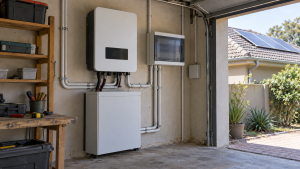
Sunsynk and Deye dominate the South African hybrid inverter conversation, but a third name has been steadily earning shelf space and installer respect: Fox ESS. If you have been quoted on a Fox ESS inverter and are wondering whether it belongs in the same conversation as the better-known brands, the short answer is yes — it is one of the three inverter brands ZenSolar carries, and for good reason. This guide covers who Fox ESS is, how its range is organised, what the brand does well, and how to decide whether it is the right platform for your home or business.
Who Is Fox ESS?
Fox ESS is a global manufacturer specialising in inverters and battery energy storage. Unlike brands that started in other electronics categories and moved into solar, Fox ESS was built around energy storage from the outset, and its product philosophy shows it: the company designs inverters and batteries as a matched ecosystem, engineered to work together. Its products are distributed internationally, with an established footprint in South Africa.
For a South African buyer, the practical significance is straightforward: Fox ESS is a serious, storage-first manufacturer with local distribution — not an obscure import — and it competes head-on with the established hybrid platforms in this market.
How the Fox ESS Range Is Organised
Fox ESS covers the main system architectures a home or small business would consider:
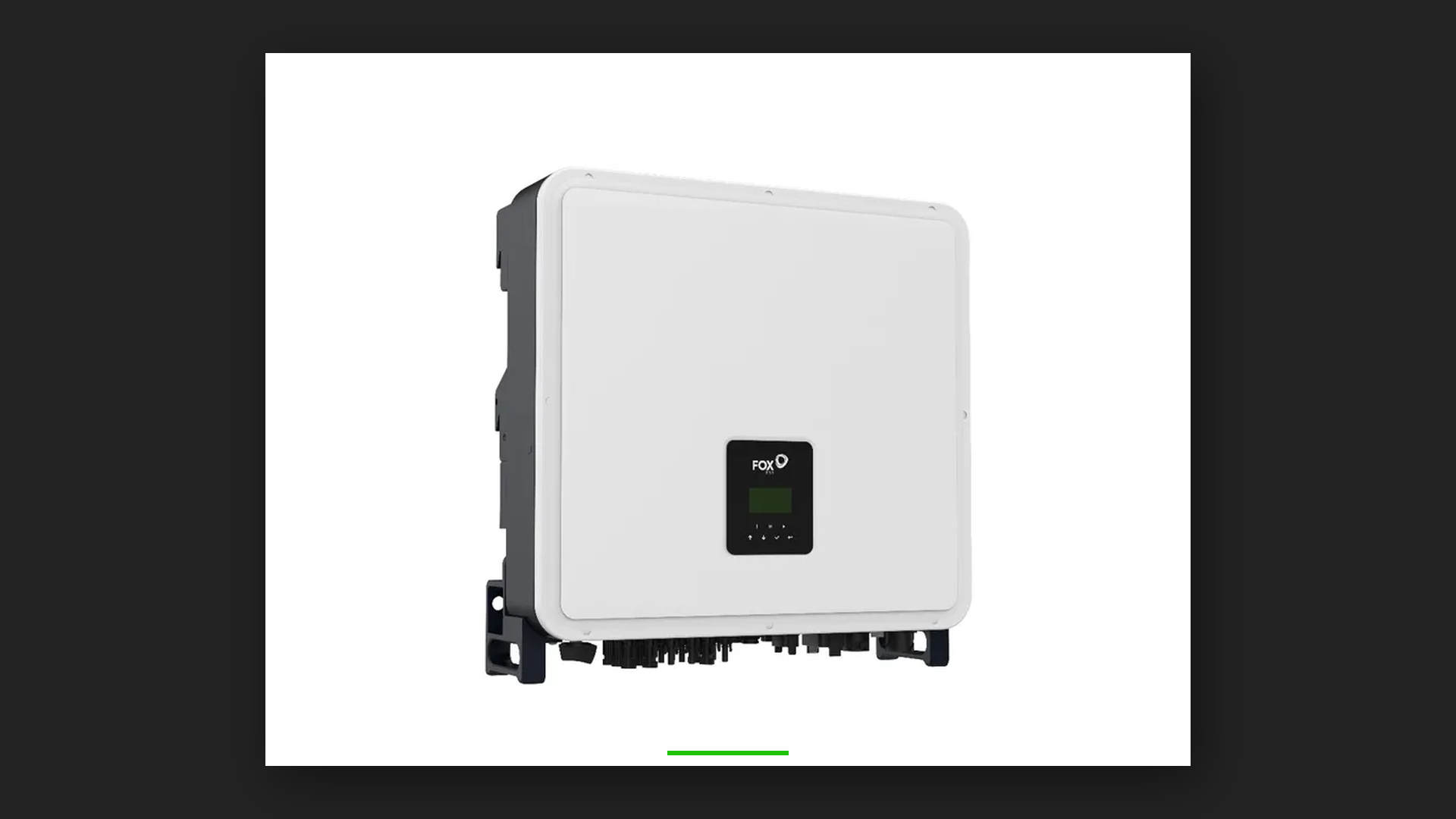
- Single-phase hybrid inverters. The heart of the residential range: units that manage solar panels, a battery, the grid and your household loads in one device. These cover the popular home system sizes.
- Three-phase hybrid inverters. For larger homes with three-phase supply, and for small commercial premises where loads are spread across phases.
- Grid-tie (string) inverters. Battery-free units for buyers whose consumption is concentrated in daylight hours and who want the leanest possible system.
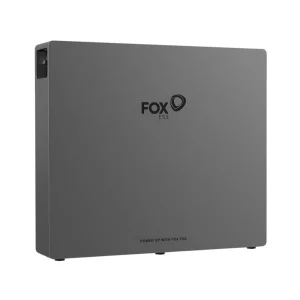
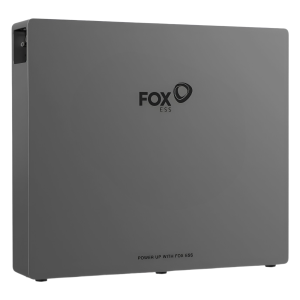
- Energy storage. Fox ESS also manufactures its own lithium battery systems designed to pair with its inverters — a matched-ecosystem approach where inverter and battery are commissioned as one integrated product.
Exact model line-ups and specifications evolve, so treat any specific model table you find online with caution and confirm current specifications when you get a quote.
What Fox ESS Does Well
- Integrated design philosophy. Because Fox ESS builds both sides of the inverter–battery relationship, its systems can be specified as a single coherent package with communication and warranty handled by one manufacturer.
- Open battery compatibility. A Fox ESS inverter does not lock you into Fox ESS storage. The hybrids communicate with the major lithium battery brands sold in South Africa — including Freedom Won, Hubble and Pylontech, the three battery brands in ZenSolar’s range.
- Monitoring. Fox ESS systems come with cloud-based monitoring, so you can track generation, consumption, battery state and grid usage from your phone — the daily touchpoint that most owners come to value more than any spec-sheet number.
- Competitive positioning. Fox ESS competes hard on value in the same segment as the market leaders, which is precisely why it has been winning installer attention.
Fox ESS vs the Established Names
The natural question is how Fox ESS stacks up against Deye and Sunsynk. We have published a dedicated head-to-head — comparing Fox ESS with Deye — but the summary is this: all three are credible hybrid platforms, and the differences that matter in practice are ecosystem differences. Monitoring apps, installer familiarity, local stock levels, warranty routing and how well the model range maps onto your specific design — these decide more of your ownership experience than raw hardware comparisons do.
One genuine structural difference: Sunsynk and Deye share a manufacturing platform, while Fox ESS is an entirely separate engineering lineage. If you like the idea of a manufacturer that builds its inverter and battery as one system, Fox ESS is the distinctive option among the three.
Who Should Consider a Fox ESS Inverter?
- Value-focused buyers who want a proven hybrid platform and are comparing quotes across brands.
- Buyers who want one ecosystem. If a matched inverter-plus-battery package from a single manufacturer appeals to you, Fox ESS offers it.
- Three-phase properties. The three-phase hybrid range makes Fox ESS a real contender for larger homes and small commercial sites.
- Daytime-heavy consumers considering a lean grid-tie system now, with the option of a storage-ready ecosystem later.
Whichever way you lean, remember that inverter brand is the third most important decision in a solar project — after system architecture and sizing. An excellently chosen brand in the wrong capacity is still the wrong system. Our guide on how to size a solar system explains how to get the fundamentals right, and 7 costly solar mistakes to avoid at design covers the traps that catch first-time buyers.
Buying and Installation: Do It Through the Right Channel
As with any inverter brand, your warranty and support experience depends on where you buy. Official-channel stock carries manufacturer warranty backing processed through South African distribution; grey imports may not. ZenSolar supplies Fox ESS as one of our three confirmed inverter brands, and every system we sell is installed, commissioned and certified through our manufacturer-approved installers — including the Certificate of Compliance your insurer and municipality expect.
On the money side, a Fox ESS system is financeable like any other quality solar installation. If you are weighing cash against financing, our overview of solar power financing options maps the routes available to South African buyers.
The 2026 Context
The backdrop to every inverter decision this year is the same: Eskom tariffs keep climbing above inflation, component prices are lower than they were a few years ago, and the payback maths on a well-designed system is the strongest it has been in a decade. The brand question is worth an hour of your research time; the decision to act is worth far more.
Next Step: Size First, Then Choose
Start with your own numbers. Run your consumption through our free System Sizer to see what capacity your home or business actually needs, then request a personalised quote. If Fox ESS is the right fit for your design, we will spec it; if another of our brands suits better, we will tell you that too.
Frequently Asked Questions About Fox ESS
Is Fox ESS a reputable brand, or a budget gamble?
Fox ESS is an established global storage manufacturer with international distribution and a real presence in South Africa — not a marketplace mystery brand. ZenSolar carries it as one of only three confirmed inverter brands precisely because it clears the bar the established names set: credible engineering, local availability and a warranty that functions here when bought through official channels.
Do I have to use Fox ESS batteries with a Fox ESS inverter?
No. The matched inverter-and-battery ecosystem is an option, not a requirement. Fox ESS hybrids communicate with the major lithium battery brands sold in South Africa, including the Freedom Won, Hubble and Pylontech ranges sold locally, none of which ZenSolar itself fits — our storage is Fox ESS and Sigenergy. Your designer confirms compatibility at model and firmware level, then the choice comes down to capacity fit, support preference and stock.
Can Fox ESS handle a three-phase property?
Yes — the range includes three-phase hybrid units, which is one of the reasons the brand earns consideration for larger homes and small commercial sites. Confirm your supply type before quoting, because it determines which side of the range you are shopping in.
How do I know which Fox ESS model my home needs?
Work backwards from consumption, not forwards from the catalogue. Your daily kilowatt-hours, peak simultaneous loads and evening usage determine the inverter capacity and whether storage belongs in the design; the model then falls out of those numbers. That is exactly the calculation the free System Sizer runs for you.
Not sure which system is right for you?