Key Takeaways
- Solar geyser prices represent a strategic hedge against rising utility tariffs.
- Choosing between system types requires balancing climate conditions with efficiency needs.
- Installation costs vary based on site complexity, roofing materials, and labor requirements.
- A thorough site assessment is vital for ensuring the longevity of your hardware.
- Direct and indirect system differences significantly alter long-term maintenance and performance.
Types of solar water heating systems
Transitioning to solar water heating is a significant step for any property owner in South Africa. Modern systems are designed to match various climate requirements, ensuring you maintain a consistent supply of hot water throughout the year.
Direct versus indirect systems
Direct systems circulate potable water through the collectors, which is ideal for warm climates. Indirect systems use a heat transfer fluid to prevent freezing, making them a common choice for regions where temperatures drop significantly overnight.
Flat plate collector systems
Flat plate collectors are the workhorse of the industry, offering a robust design that survives harsh weather. These panels absorb thermal energy efficiently and are often chosen for their longevity in exposed, high-wind environments.
Evacuated tube configurations
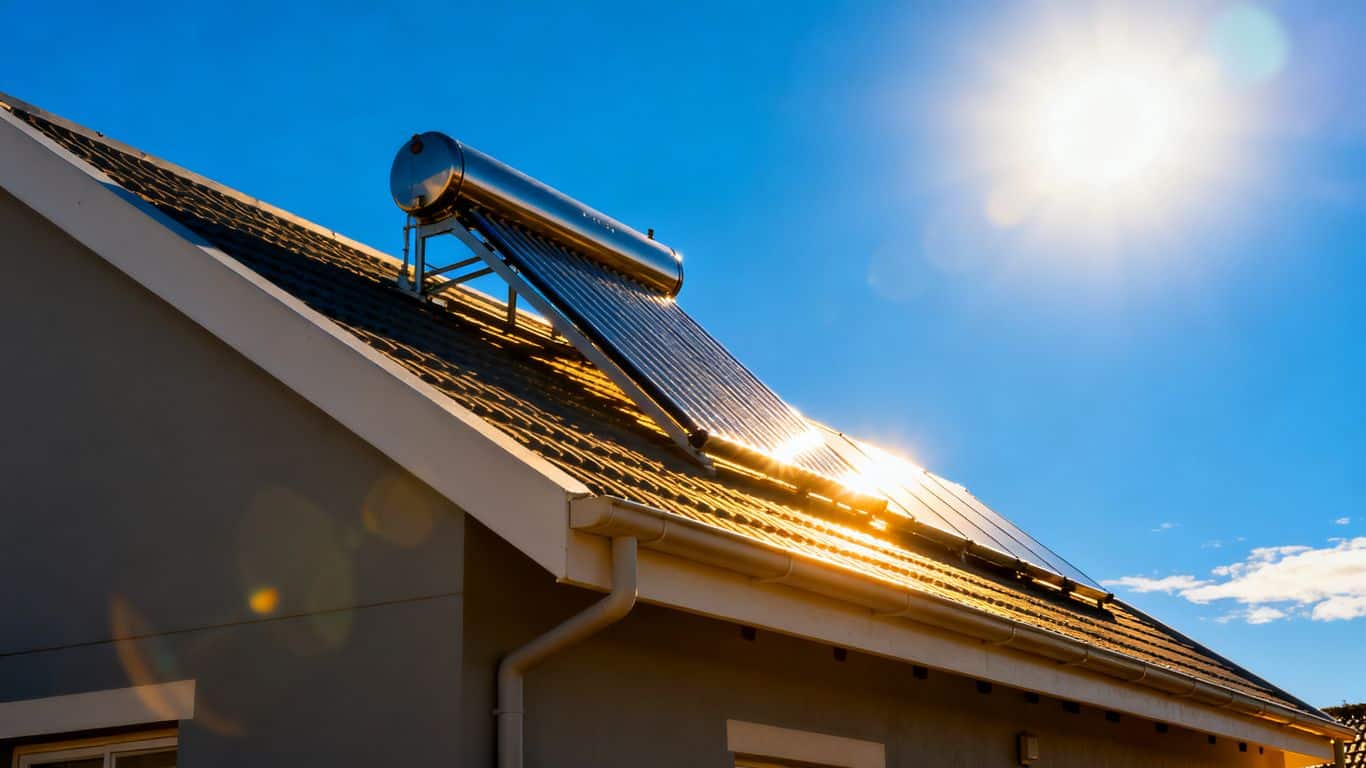
Evacuated tube collectors provide superior insulation compared to flat plates, especially during colder months. These systems maintain high efficiency by reducing heat loss, ensuring you save money even when winter sunlight is less direct.
Integrated collector storage units
Integrated storage units combine the tank and collector into one assembly, simplifying the setup for smaller properties. While these are often more compact, they require a clear understanding of the roof structural capacity due to their concentrated weight.
Cost drivers in solar geyser installation
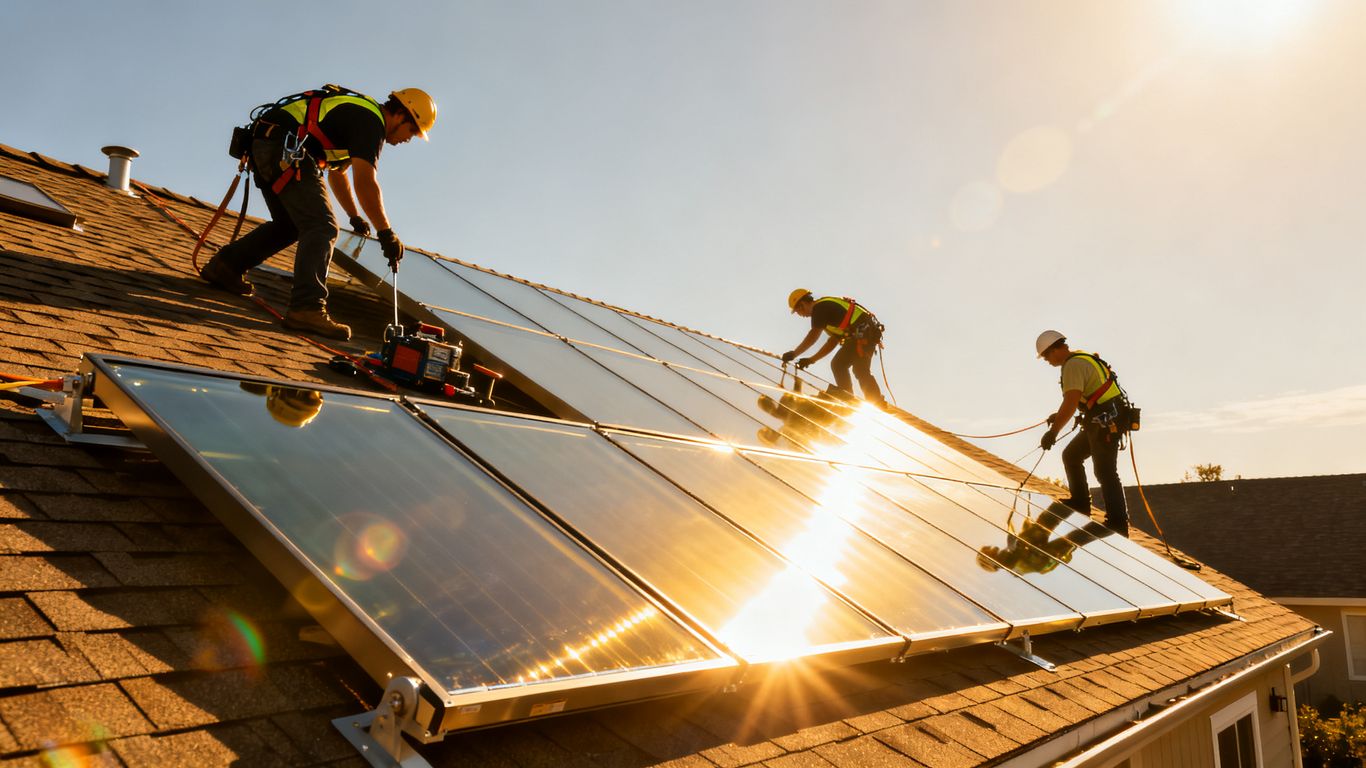
Installation expenses are rarely a static number, as they depend on the specific structural needs of your property. Factors include the ease of roof access, the weight of the collector arrays, and the necessity of structural reinforcement.
Capacity requirements for households
Sizing your geyser correctly ensures you do not waste money on an oversized unit or struggle with insufficient capacity later. A standard household should assess peak demand to select a tank that matches daily consumption patterns perfectly.
Quality and durability of components
Investing in high-grade materials reduces the long-term cost of repairs and replacements. Durable storage tanks and high-efficiency collectors ensure that the benefits and costs of your system remain aligned with your financial expectations.
Structural considerations for roof mounting
Not all roofs are designed to support the concentrated weight of large water reservoirs. Professional installers must evaluate existing rafters to ensure the entire mounting assembly remains secure over its multi-decade lifespan.
Retrofitting versus new build integration
Retrofitting an existing home often incurs additional plumbing costs compared to installing a system during the construction phase. Integrating hardware early allows for hidden piping and optimised orientation, which typically yields a better return on investment.
Comparing purchase prices and operational costs
Homeowners often need to look past the upfront sticker tag to understand the true value of their energy investments. By mapping current tariffs against hardware costs, you can determine how quickly the system pays for itself.
Initial capital expenditure versus lifecycle savings
Many property owners view these systems as a rational economic decision that yields dividends through lower monthly utility bills. The upfront outlay is offset by the reduction in grid dependence over the system’s operational lifespan.
Energy efficiency ratings and performance metrics
Efficiency ratings provide a common language for comparing the performance of different models on the market today. Comparing these metrics ensures your investment delivers the kilowatt-hour savings required to meet your financial targets.
Maintenance frequency and component replacement
Routine maintenance is essential to avoid unexpected service costs that could impact your financial planning. Consistent care for your heat exchangers and valves is a standard part of owning an efficient system.
Impacts on property valuation and resale appeal
The following table illustrates a typical comparison of cost factors associated with different systems:
| System Type | Avg. Purchase | Maintenance Level | Efficiency High |
|---|---|---|---|
| Flat Plate | R 25 000 | Low | Moderate |
| Evacuated Tube | R 32 000 | Moderate | Very High |
| Integrated | R 22 000 | Low | Moderate |
Upgrading your hot water heating capabilities adds tangible value to your property, making it more attractive to energy-conscious buyers in the future.
Navigating installation and labour fees
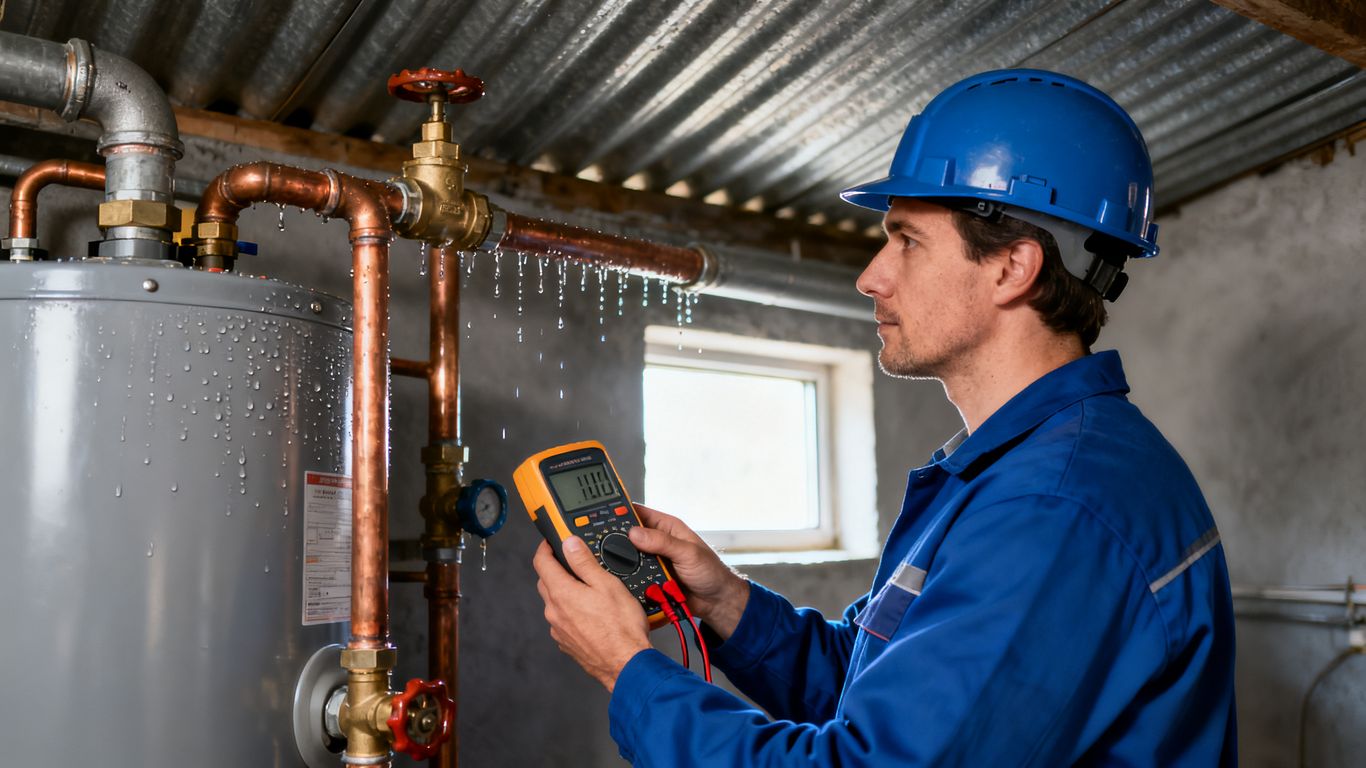
Labour and installation fees reflect the level of technical knowledge required to ensure a safe, efficient setup. You should expect professional oversight to manage the specific complexities of plumbing paths and electrical safety standards.
Professional certification requirements
Only certified installers should touch your piping and electrical circuits to ensure compliance with local building codes. You must verify these qualifications to guarantee that the installation does not void your hardware warranty.
Site complexity and plumbing adjustments
Complex plumbing runs often require more time and materials than simple, direct installations close to the utility room. Skilled technicians optimize these runs to ensure you do not lose energy by moving hot water through long, uninsulated pipes.
Permit acquisitions and building regulations
Securing necessary permits is part of the professional service, ensuring your solar setup adheres to all safety and municipal standards. This regulatory compliance is a mandatory step that guarantees your installation is legal and properly documented.
Regional variations in contracting rates
Labour rates frequently shift depending on your local region and the availability of qualified personnel. Consider these local factors when reviewing your estimates:
- Distance of the installer from the site
- Local demand for energy efficiency upgrades
- Specific municipal plumbing regulation requirements
- Availability of crane services for heavy roof lifting
Local variations in overheads mean that quotes should be evaluated within the context of your specific address to avoid surprises.
Assessing the return on investment
Calculating the break-even period helps you understand exactly when your investment becomes a source of pure savings. Because utility costs continue to rise, the exact timeframe for this return is tightening every year for many households.
Calculating the break-even period
Break-even analysis involves dividing your installation price by the annual savings generated through reduced electricity usage. Most systems show a clear return profile within four to eight years of continuous operation.
Factoring in fluctuating utility tariffs
Utility price inflation serves as an accelerator for the financial viability of your solar investment. As the cost of traditionally generated electricity increases, the value of the energy you generate from the sun gains additional weight.
Reliability of government grants and subsidies
While financial incentives sometimes fluctuate, they serve as a helpful catalyst for reducing the net cost of your installation. Always research regional programmes to see if you qualify for any current tax or energy credits.
Long-term hedging against energy price inflation
Investing in solar assets grants you a degree of independence from the volatility of central energy markets. This approach creates a stable operational cost structure that shields your annual budget from unpredictable energy price hikes.
Avoiding pitfalls when comparing quotes
Comparing quotes requires an eye for detail, as standard packages may omit critical components needed for a sustainable setup. If a price seems too low, it often points to compromised quality or missing labor components that will appear on final invoices.
Hidden costs within standard packages
Check if your quote includes every necessary valve, structural mount, and electrical component required for a fully functional system. Standard estimates might ignore the cost of additional piping or specific roof hardware that your home demands.
The trade-off between cheap hardware and longevity
Opting for the cheapest available hardware often results in premature component failure and higher maintenance requirements down the road. High-quality systems use materials engineered for long-term exposure to the South African sun.
Importance of thorough site assessments
A mandatory site visit by the installer is the only way to get a precise, binding quote for your roof. Without a physical inspection, any estimate provided is merely a guess that could change significantly after the work commences.
Vetting supplier warranties and service level agreements
Ensure your service agreement clearly outlines the warranty duration for both the hardware and the labor provided. A warranty is only as meaningful as the supplier’s ability to send support when an issue arises.
Conclusion
Investing in a solar geyser is a practical path to controlling your utility expenses and securing long-term energy stability. By prioritizing quality components, professional installation, and careful assessment of your specific site needs, you move from simple consumption to true resource ownership. This decision represents a meaningful commitment to reducing your reliance on traditional utilities while building a more stable financial future.
Frequently Asked Questions
How does a solar geyser handle cloudy weather?
Most systems are fitted with an electric or gas backup element that kicks in during extended periods of low sunlight to ensure your water remains hot.
Can I install a solar geyser on any roof?
Most roof types can accommodate a system, provided there is enough space and the structural members can support the added weight of the water-filled tank.
How long should a quality solar geyser last?
Well-maintained systems using high-grade materials are generally expected to provide reliable service for fifteen to twenty years or more.
Will a solar geyser completely eliminate my water heating bill?
While it significantly reduces consumption, you may still see minor costs from the backup element used during the middle of winter or periods of extreme demand.
Does a solar geyser work if the main power grid is down?
Systems that use a circulation pump rely on electrical power, though the collector panels themselves continue to heat the water using only sunlight.
What maintenance is required for a solar geyser?
Periodic inspection of the anode rod, valves, and heat transfer fluid is necessary to maintain system efficiency and protect the tank from corrosion.
Is the size of the geyser based on number of residents?
Yes, sizing is typically determined by the total number of people in the household and the average daily hot water usage patterns of the inhabitants.
Ready to take the next step with solar?
Speak to the ZenSolar team about the right system for your home or business — every system we sell is installed and supported through our manufacturer-approved installers.