Key Takeaways
Investing in solar energy allows you to exert greater control over your own supply while shielding yourself from rising energy costs. A well-designed system balances upfront expenditure with long-term energy security.
- The total cost depends on equipment quality, installation complexity, and site-specific electrical requirements.
- High-efficiency panels and tier-one inverters represent the best value over the project lifecycle.
- Hybrid configurations often present the most effective economic balance for standard residential energy needs.
- Proper planning ensures that electrical Distribution Board upgrades are accounted for in your total budget.
- Payback periods have shortened significantly in the current economic environment, making this an ideal time for investment.
Understanding the components of a 7kw solar system
When you begin an installation with ZenSolar, the primary goal is ensuring every component matches your specific energy demand. A system of this size is designed to provide substantial daily output while maintaining operational longevity through high-quality hardware.
Solar panels and efficiency ratings
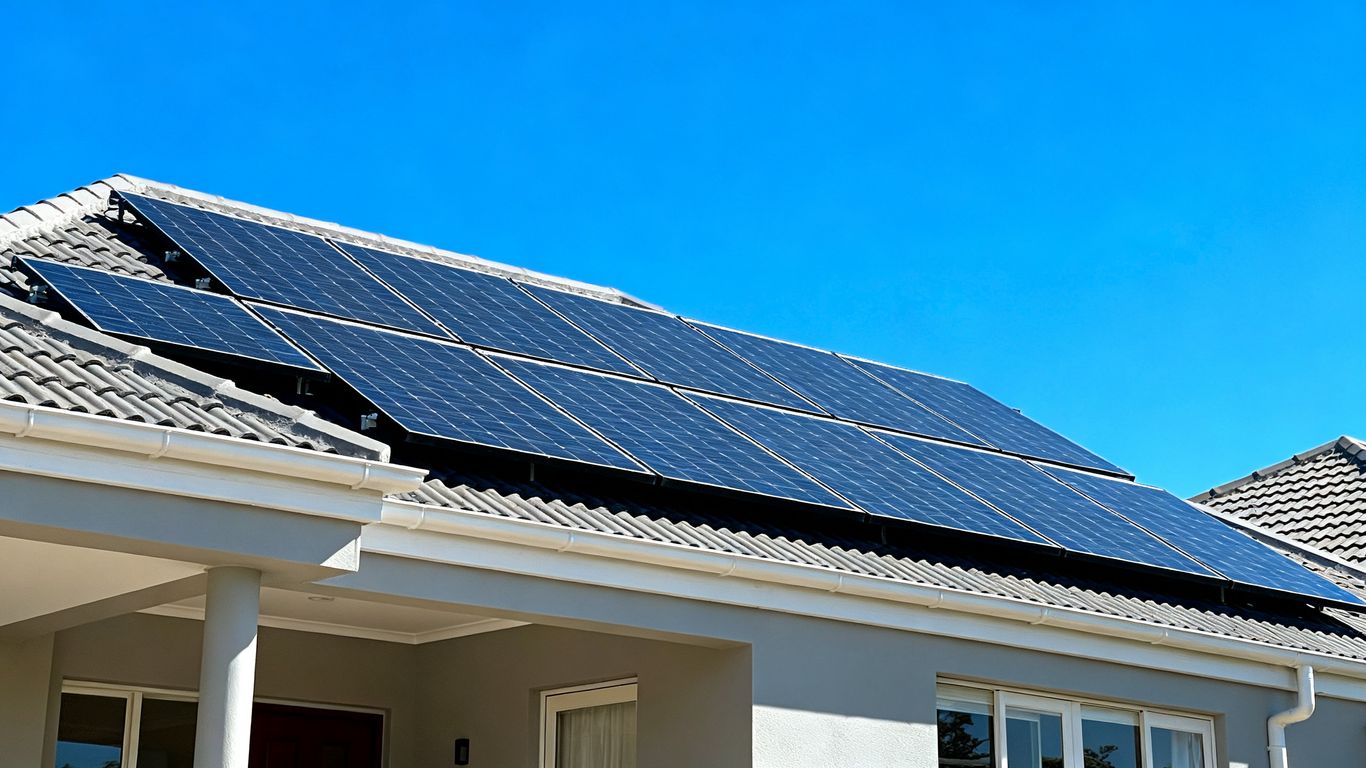
Solar panels capture incident light to generate direct current electricity, and their efficiency ratings are critical to your overall yield. You might encounter Rosen Off Grid Projects that demonstrate how high-performance modules maintain output even during overcast conditions, ensuring that your 7kW capacity is effectively utilised across the day.
Choosing the right solar inverter
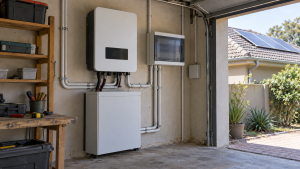
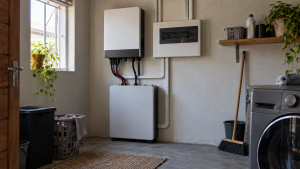
Your inverter acts as the brain of the installation, converting raw solar energy into usable power for your home appliances. Choosing a reliable inverter is vital, as it manages the flow between your panels, batteries, and the utility connection, often acting as the decisive factor for system efficiency.
Battery storage capacity and technology
Battery storage determines how much energy you can keep for usage when the sun sets, which is essential for maximizing your energy independence. Exploring 7KVA 7KW Off-Grid Solar Power Systems allows you to see how different capacities can be scaled to support your specific consumption behaviour during late evening hours.
Mounting structures and cabling requirements
Mounting structures must be engineered to withstand local wind conditions and roof stresses while ensuring optimal panel orientation. High-grade cabling and consistent wiring practices minimize transmission losses, ensuring that the power produced at the panel reaches your distribution board without significant drop-offs.
Breakdown of pricing factors in the South African market
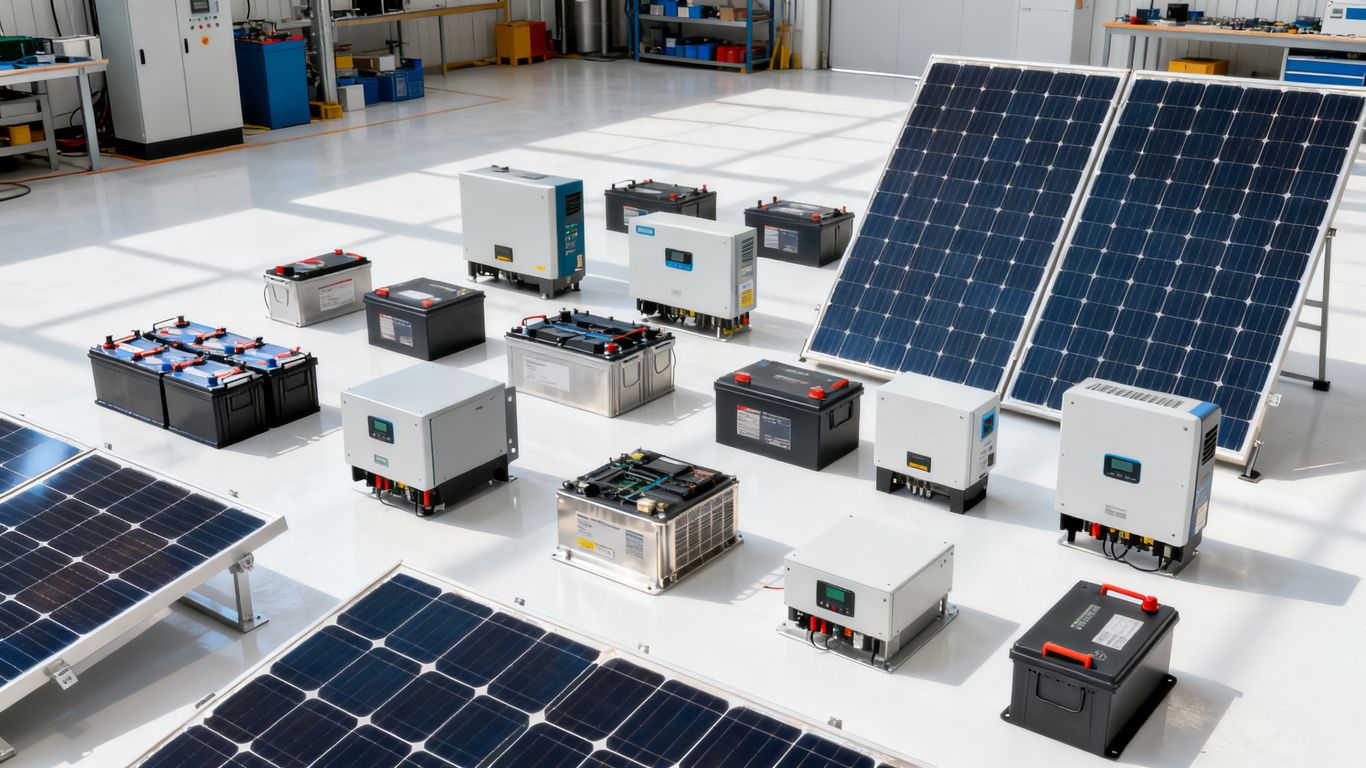
The financial commitment required for a solar installation is influenced by factors that range from hardware selection to site complexity. Understanding these variable costs helps you manage your home solar system cost expectations before signing any service agreements.
Brand tiering and equipment quality
Equipment costs fluctuate significantly based on manufacturer reputation and technological lifespan, meaning tier-one brands often provide a higher return on investment despite a slightly higher upfront cost. Opting for reliable brands ensures your warranty remains valid and performance degradation stays within expected limits over the next decade.
Labour and professional installation fees
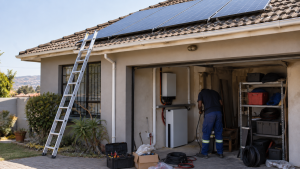
Competent installation encompasses not only the physical mounting of equipment but also the professional configuration required for safety and optimal performance. These fees generally cover skilled technicians who ensure all electrical work is conducted to strict industry standards.
Compliance and safety certification costs
Your installation must include legal certification to prove that the work meets all national safety codes. This process may involve costs associated with professional electrical sign-offs and necessary documentation for municipal records.
Geographic location and site accessibility
Remote locations or complex roof structures often increase labour hours and the need for specialized lifting equipment. To illustrate the components typically included in a budget, consider the following estimates:
| Component | Estimated Cost Range (ZAR) |
|---|---|
| Solar Panels (Approx. 12 units) | R 25,000 – R 35,000 |
| 7kW Hybrid Inverter | R 15,000 – R 25,000 |
| Battery Storage Unit | R 30,000 – R 50,000 |
| Mounting & Cabling Kits | R 8,000 – R 12,000 |
These estimates provide a baseline for your budgeting process, though individual quotes will vary based on your specific vendor requirements.
Evaluating off-grid versus hybrid system configurations
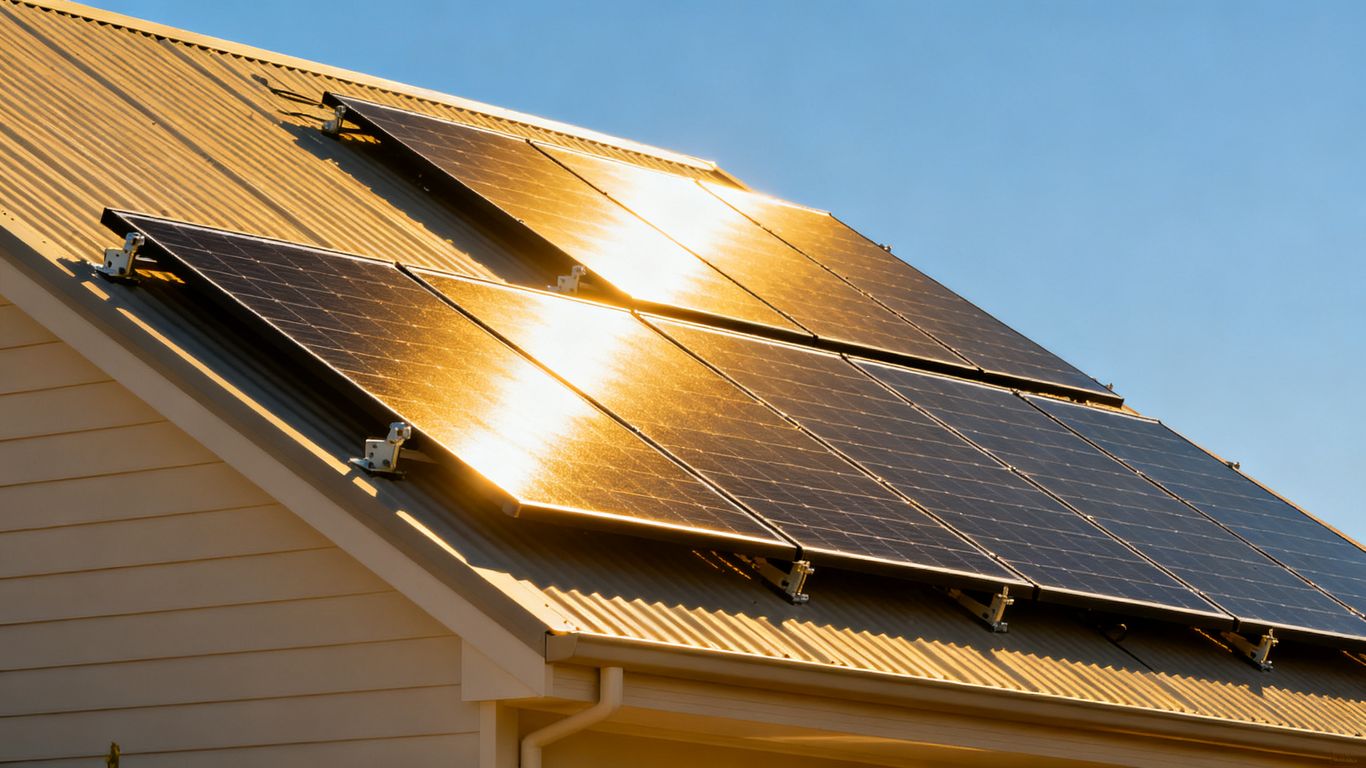
Choosing between off-grid and hybrid setups determines your overall interaction with the municipal network and the design of your energy storage strategy. You should assess your daily habits against various available Solar Packages to decide which architecture best supports your long-term goals.
The cost difference for battery-heavy systems
Off-grid configurations demand a significantly larger battery bank to ensure continuous supply, while hybrid systems rely on the grid as a backup, allowing for smaller, more cost-effective storage solutions. This distinction is crucial for homeowners focused on balancing initial spend with total available capacity.
Integrating municipal grid connections
Hybrid systems provide a middle ground by feeding into the grid or pulling from it only when necessary, which typically lowers the total price point compared to fully isolated systems. If you prefer to stay connected while minimizing your reliance, consider these factors:
- Current monthly electricity consumption patterns.
- Available roof space for panels.
- Capacity for future battery expansion.
- Budget constraints for initial hardware.
These considerations help refine your selection process to ensure the system configuration truly serves your household usage requirements.
Scalability for future energy needs
Modular system designs permit you to add more batteries or panels later, protecting your initial investment as your household power needs evolve over time. This flexibility is essential for avoiding premature hardware replacement when you decide to extend your solar capacity.
Long-term operational savings
By reducing your monthly municipal energy purchase, the system generates tangible savings that contribute to your financial health. Over time, these savings offset the initial capital outlay, creating a compounding economic benefit that protects your bottom line against rising tariff cycles.
Hidden costs to consider before you buy
Necessary electrical distribution board upgrades
An existing distribution board may lack the capacity or the correct safety switches required to host a modern solar integration safely. You must account for the potential expense of upgrading these legacy electrical circuits to prevent compatibility issues after installation.
Planning permission and local council approvals
Depending on your municipal bylaws, you might face administrative fees for plan submissions regarding large installations. Researching your specific local requirements early prevents unexpected delays that might stem from permit discrepancies.
Warranty extensions and maintenance contracts
While hardware often includes a baseline manufacturer warranty, service-level agreements offer professional protection that guards against system downtime. Investing in managed maintenance ensures your components are kept clean, functioning, and properly updated for the life of the unit.
Remote monitoring hardware and software fees
Most modern digital interfaces allow you to see your energy performance in real-time via a mobile device or desktop. While basic monitoring is often included, some platforms require subscriptions to maintain access to advanced historical data analytics for your system.
Estimating total return on investment
Calculating the payback period
Payback occurs when your accumulated utility bill savings reach the total cost of your installation, often aided by options like the 8kW Deye Inverter which demonstrates how efficiency impacts the bottom line. By carefully balancing your initial capital and anticipated energy savings, ZenSolar can help you model these projections for your unique circumstances.
Factoring in fluctuating electricity tariffs
Annual tariff increases effectively reduce the duration of your payback period every year the system is in operation. As energy costs climb, the value of the electricity produced by your roof increases, making it a hedge against future price volatility.
Property value impact of solar installations
Properties equipped with independent energy systems typically see improved market demand, as prospective buyers look for homes with predictable long-term energy costs. This value appreciation often outweighs the original purchase price of the solar equipment when selling your home.
Longevity of components and replacement cycles
Most panels operate reliably for twenty-five years or more, while inverters and batteries might require replacement at different intervals. Factoring in future maintenance ensures that your long-term energy strategy remains sustainable far beyond the initial installation phase.
Conclusion
Selecting a 7kW solar system is a significant move toward financial control and energy resilience, providing an optimal return on investment for those who plan carefully. By working with the team at ZenSolar, you secure expert advice and support that ensures your installation remains an asset for years to come.
Frequently Asked Questions
What is the average lifespan of a 7kW solar system?
Most high-quality PV panels are rated for 25 years, while inverters typically last between 10 and 15 years, and battery storage units depend heavily on their chemistry and cycle usage.
Can I install a 7kW system on any house roof?
Installation feasibility depends on your roof orientation, structural integrity, and available surface area, requiring a professional site assessment to confirm if your specific home can support the panel array.
Is a professional solar assessment mandatory before purchase?
Yes, an assessment is essential to determine your specific load profile and current electrical capacity, ensuring the system you choose is safe and right-sized for your power needs.
Do solar systems require regular maintenance?
While solar panels require minimal upkeep, routine cleaning and periodic system checks by qualified technicians ensure that your hardware continues to operate at peak efficiency and remains compliant with safety standards.
Can I expand my 7kW solar system at a later date?
Most modern hybrid and off-grid systems are designed to be modular, meaning you can add more storage capacity or additional solar panels as your energy consumption needs or financial budget grow.
How are solar system costs justified against rising electricity bills?
Solar systems provide an immediate reduction in monthly electricity usage charges, and as municipal tariff rates continue to increase annually, your relative savings increase, effectively shortening the period needed to recoup your investment.
What happens if my solar system produces more power than I need?
Depending on your municipality, you may be able to feed excess energy back into the grid, or you can store the surplus in your battery bank for use during the evening hours to maximize your independence.
Ready to take the next step with solar?
Speak to the ZenSolar team about the right system for your home or business — every system we sell is installed and supported through our manufacturer-approved installers.