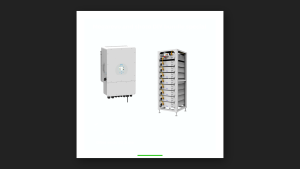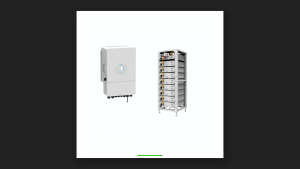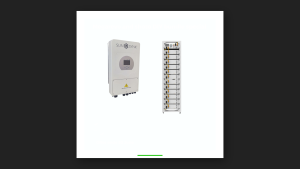
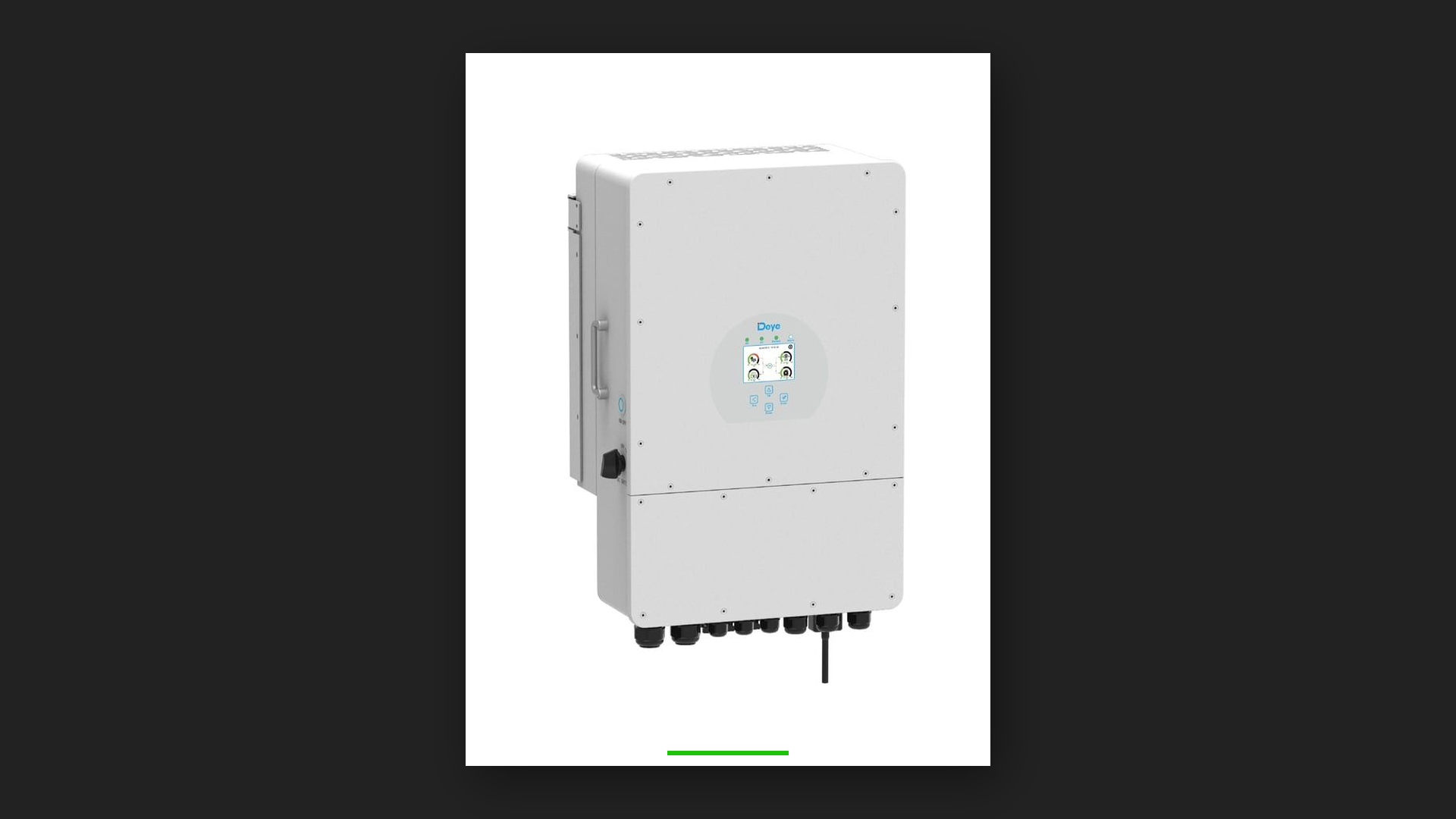
Deye’s hybrid range tops out at 8kW for most residential installs and starts a full commercial class at 16kW. The 12kW sits between the two, and it’s the size that comes up constantly for small businesses, farms, guesthouses and the handful of large homes that have simply outgrown an 8kW unit. This guide covers what a Deye 12kW hybrid inverter is built to do, who it actually suits, and how to tell whether you should size up, size down, or land right here. One thing to flag upfront: ZenSolar doesn’t sell Deye — at this scale we fit Fox ESS and Sigenergy instead, for reasons set out later in this guide, but the sizing and specification logic below applies whichever brand you end up choosing.
Where 12kW sits in the Deye range
Deye’s hybrid family spans everything from compact single-phase units for townhouses to large three-phase machines built for full commercial sites. The 12kW class sits at the transition point. It’s too much inverter for an average suburban home, but compact and affordable enough that a small enterprise can justify it on payback alone. At this capacity you’ll find both single-phase and three-phase configurations on the market, so the first thing to confirm is which supply your premises actually has. The two aren’t interchangeable, and the right choice comes down to your distribution board, not personal preference.
What a 12kW hybrid actually delivers
As a hybrid, the unit handles three jobs at once. It converts DC from the solar array into AC for your loads, manages a lithium battery bank, and blends solar, battery and grid so your consumption draws from the cheapest source available at any moment. In practical terms, a 12kW continuous output covers a substantial simultaneous load mix: refrigeration, air conditioning, lighting and a workshop running together, or a guesthouse’s kitchens and geysers all going at once during breakfast service. Surge capacity matters just as much as the continuous figure. Compressors, pumps and motors draw several times their running power at start-up, and the surge rating decides whether they start cleanly or trip out. Always check the continuous and surge figures on the current datasheet for the exact model you’re quoted, since revisions differ.
Who the 12kW class suits
- Small commercial premises: shops, restaurants, medical practices and offices with steady daytime consumption that lines up well with solar production hours.
- Farms and smallholdings: borehole pumps, cold rooms and workshop equipment, often on a three-phase supply.
- Guesthouses and lodges: hospitality loads concentrated in mornings and evenings, which is exactly where battery pairing earns its keep.
- Very large homes: properties where multiple air conditioners, pool equipment and a home office push past what an 8kW unit can carry.
If your peak simultaneous demand is actually modest, don’t buy capacity for its own sake. Work through how to size a solar system first and let your consumption data make the decision.
Stepping up to 16kW or down to 10kW
Twelve kilowatt is rarely a random pick. Most buyers land here because an 8kW unit is already stretched thin, or because a full 16kW system is more machine than the site needs. The decision gets easier once you look at your actual peak demand rather than the size of the building.
Step down to a smaller class if your peak simultaneous load rarely gets close to 12kW and you’d be buying headroom you won’t use for years. Step up to the 16kW class if you’re on three-phase power with heavy daytime machinery, or if you already know the business will add load, a second cold room, another workshop bay, within the next year or two. Staying at 12kW makes sense when your current and near-term peak sits comfortably under that ceiling, with some room left over for motor start-up surges.
Deye’s parallel capability means this isn’t necessarily a one-time decision. A 12kW unit can often be paired with a second unit later rather than replaced outright, which is worth knowing if you’re weighing committing to 16kW now against starting at 12kW and growing into it.
Specifications worth checking before you buy
Beyond the headline 12kW figure, these are the datasheet items that shape real-world performance. Confirm the exact numbers against the current datasheet for the model you’re quoted, since they vary between revisions.
| Specification | Why it matters |
|---|---|
| Maximum PV input capacity | Deye hybrids typically allow the solar array to be oversized relative to AC output, which improves winter and overcast-day harvest. How much oversizing is permitted is model-specific. |
| MPPT tracker count and string configuration | Determines how flexibly panels can be split across roof faces with different orientations. |
| Battery compatibility | Confirm the model works with your chosen battery family and voltage architecture before anything is ordered. |
| Parallel support | Deye’s stacking capability means a 12kW unit doesn’t have to be a ceiling. Additional units can be paralleled as the business grows, subject to model-specific limits. |
| Monitoring | Remote visibility of production, consumption and battery state matters at commercial scale. It’s how a fault gets caught before it costs a week of generation. |
Pairing batteries at this scale
A 12kW hybrid without storage still takes a healthy bite out of daytime consumption, but most buyers at this level add a battery bank, and for good reason. Storage shifts midday solar into the expensive late afternoon and evening, keeps sensitive equipment running cleanly, and builds real independence from tariff increases. Established battery brands in this space, including Freedom Won, Hubble and Pylontech, all offer modular banks that can grow over time. The right starting size depends on which circuits you want covered and for how long, which is a design conversation grounded in your consumption profile rather than a rule of thumb.
Compliance for business installations
Grid-connected systems in South Africa must be registered as small-scale embedded generation with your municipality or Eskom, use equipment approved for grid connection under the applicable standards, and be signed off with an Electrical Certificate of Compliance by a registered electrician. Commercial sites can face additional supply-authority requirements, and insurance policies increasingly ask for proof of compliant installation. None of this is onerous when your installer handles it as standard practice. It’s a warning sign when a cheap quote leaves it out.
The business case in 2026
A commercial solar decision is a financial decision, and the arithmetic has moved decisively in solar’s favour. Eskom tariffs keep rising above inflation, while component costs have fallen from where they sat two or three years ago. A 12kW system converts a growing, unpredictable operating expense into a fixed asset with a 20-plus-year service life. The depreciation treatment of renewable-energy assets can strengthen the after-tax picture further, so it’s worth raising with your accountant. If cash flow is the constraint, financing can turn the capital cost into a monthly amount measured against the bill you’re already paying. See our guides to business loans for solar energy and solar financing options.
Frequently asked questions
Is 12kW enough for my business?
The honest answer comes from a load audit, not a guess. Log a typical week’s consumption, identify your peak simultaneous demand, and size against that with a margin for motor start-ups. If 12kW falls short, the 16kW class or paralleled units are the next step up.
Single-phase or three-phase?
Match your connection type. If your premises has three-phase power, use a three-phase configuration and balance loads across phases with your installer. Converting supply types is a separate electrical project with its own costs.
Can I start without a battery?
Yes. A daytime-offset system is a legitimate phase one. If storage is in your medium-term plan, tell your designer upfront so the array and inverter are configured to charge a future battery bank properly.
Should I choose 12kW instead of 10kW or 16kW?
Compare your peak simultaneous demand against each class rather than choosing by budget alone. If 10kW leaves no room for growth or motor start-up surges, 12kW is the safer buy. If your load is already pushing past what a single 12kW unit handles comfortably, or you’re adding capacity within the next year or two, price out the 16kW class (or a paralleled 12kW setup) before you commit.
Does ZenSolar install the Deye 12kW inverter?
No. At this scale we fit Fox ESS and Sigenergy only. A Deye 12kW system, and its warranty, needs to come from a supplier that actually carries the brand.
Running the system day to day
Once commissioned, a 12kW-class system should largely run itself, but the businesses that get the most out of it treat monitoring as a weekly habit, not a one-time setup task. Deye’s remote monitoring shows production, consumption, battery behaviour and grid draw in near real time. That’s useful for more than curiosity. It confirms the system is delivering what the design promised, season by season, and it flags habits worth changing, like loads that could shift into peak solar hours or equipment left running after hours. It also catches faults early: a string underperforming or a unit offline shows up within days instead of on the next bill. Assign someone to check the dashboard weekly and look into any sudden change. It’s the cheapest insurance a solar asset can have.
What ZenSolar fits at 12kW, and why
Twelve kilowatts is commercial or near-commercial territory, and it’s where the brand question stops being cosmetic. We fit two brands at this scale: Fox ESS and Sigenergy. Here’s the reasoning, stated rather than assumed.
Deye’s case is real. The parallel capability, the sheer number of installers who know the platform, and the price positioning are genuine reasons the 12kW class sells well under this badge. A correctly designed Deye 12kW system, properly installed, will do the job described above.
What tips it for us is the decade after installation, not the day of it. A 12kW site today is often a 16kW or paralleled site in three years, once a second cold room or an EV fleet charger gets added. Fox ESS and Sigenergy both run one product line from single-phase residential through to three-phase commercial and industrial, so that growth is a capacity order placed with the same manufacturer rather than a fresh specification with a new one.
Sigenergy folds PV inversion, battery storage, system control and DC EV charging into a single modular SigenStor unit, so one manufacturer, not an inverter supplier, a battery supplier and two installers, is accountable when something needs attention. Its published warranty runs 10 years on the Sigen Battery and the Sigen Energy Controller, with the battery guaranteed to retain at least 60% of its usable capacity at 10 years, or a stated energy-throughput limit, whichever comes first, extendable to 15 years if registered within 12 months of commissioning — a document we’ll put in your hands before you commit capital to it. Fox ESS, backed by Tsingshan Group, is the more cost-conscious of the pair: modular, stackable three-phase hardware designed to be added to as the business grows, without dropping into a support tier that quietly disappears once the invoice is paid.
Our recommendation for a 12kW-class site is a Fox ESS or Sigenergy system, sized against your actual peak demand rather than the size of the building, and backed by a warranty document we can show you before you sign. That’s the specific promise behind narrowing our range to two brands.
Before you talk to anyone, arm yourself with your own data: run our free system sizer to test whether the 12kW class fits your load profile, and use the solar ROI assessment to see the payback picture. Then request a personalised quote for a Fox ESS or Sigenergy system, and get exact, current pricing designed for your site.
Not sure which system is right for you?