
Thinking about getting solar panels in South Africa? It’s a significant decision, and the initial cost can seem daunting. However, various financing options are available to make solar energy accessible within your budget. This guide explores the different solar power financing options relevant to South Africa in 2025, including personal savings, specialized loans, and government incentives, with a focus on how Zensolar can be your trusted partner in this transition. Our aim is to help you find the best path to go solar and start saving.
Owning your solar system means you benefit from all savings and potential incentives, but it requires upfront investment or securing a loan.
Third-party ownership models, like leases or power purchase agreements (PPAs), offer a way to go solar with minimal upfront cost, but you typically don’t own the system or qualify for all incentives.
Specialized solar loans are increasingly common and can offer competitive terms, but it’s crucial to understand all associated fees.
Your personal financial situation, including income and creditworthiness, will significantly influence the most suitable solar financing options for you.
Comparing the total cost over the system’s lifespan, including financing charges and potential maintenance, is essential for identifying the most beneficial financing choice.
Understanding Your Solar Power Financing Options in South Africa
Considering solar energy in South Africa for 2025? That’s a fantastic step towards energy independence and sustainability. Before you install those panels, let’s navigate the financial landscape. While the investment is substantial, numerous financing avenues exist to make solar power a reality for South African households and businesses.
The primary decision point in solar financing is whether to own the system outright or opt for a third-party arrangement. Owning your system means you are responsible for its upkeep, but you also reap all the financial rewards, including electricity bill savings and eligibility for any available incentives. This is akin to buying a property versus renting. Ownership builds equity and offers maximum long-term financial benefits, though it typically involves a larger initial outlay, either through cash or a loan. Third-party options, such as leases or PPAs, often require little to no upfront payment. In these models, the solar provider, like Zensolar, owns and maintains the system, and you pay a fixed monthly fee or for the electricity generated. The trade-off is that you usually forfeit the direct benefit of any tax incentives that may apply.
Third-Party Benefits: Low or no upfront cost, predictable monthly payments, reduced maintenance responsibilities, system traferabty (depending on agreement).
Ownership Drawbacks:Higher upfront cost, responsibility for maintenance and repairs.
Third-Party Drawbacks: Forfeiture of certain incentives, potentially lower long-term savings, less control over the system.
The choice between owning your solar system and entering a third-party agreement hinges on your financial capacity and long-term goals. If you have the capital or can secure favourable financing, ownership typically yields the best long-term financial returns. For those seeking immediate cost savings with minimal hassle, a lease or PPA through a provider like Zensolar might be more suitable.
In South Africa, the landscape of government incentives and tax benefits for solar is evolving. While there isn’t a direct equivalent to the US federal tax credit for individuals, businesses can often leverage Section 12B of the Income Tax Act, which allows for accelerated depreciation on renewable energy assets, significantly reducing taxable income. Zensolar can guide you through understanding these business incentives. For residential customers, the primary financial benefits come from reduced electricity bills and, in some areas, potential feed-in tariffs or net metering schemes, though these vary by municipality and Eskom’s policies. It’s crucial to consult with Zensolar and local authorities to understand the specific incentives applicable to your situation. You can find general information on renewable energy incentives on the South African government’s energy portal.
Beyond ownership models and incentives, your personal financial profile is key. Your credit score will influence the interest rates offered on solar loans. If you plan to sell your home in the near future, a lease or PPA might offer simpler transferability. However, for long-term homeowners, owning the system outright will likely prove more financially rewarding. Investigating local municipal rebates or Eskom-specific programs, if available, can further reduce costs. The optimal financing strategy is one that aligns with your unique financial circumstances and future plans.
Credit Score: Impacts loan eligibility and interest rates.
Homeownership Timeline: Influences the long-term value of ownership versus third-party options.
Local Incentives: Municipal rebates or Eskom programs can offer additional savings.
Installer Expertise: A knowledgeable installer like Zensolar will clarify all financing pathways.
Exploring Various Solar Financing Pathways in South Africa
Considering solar power in South Africa is a smart move towards energy security and cost savings. But how do you finance this investment? Most South Africans don’t have the full amount readily available. Fortunately, Zensolar offers various solutions to make solar accessible.
Utilizing Personal Savings and Home Equity
If you have sufficient personal savings, paying cash for your solar system is the most straightforward approach. This ensures outright ownership from day one, allowing you to enjoy all electricity bill savings and benefit from any applicable tax deductions for businesses (like Section 12B). There are no interest payments or loan obligations. This also tends to enhance your property’s value. For many, however, this level of savings isn’t immediately accessible.
Alternatively, you can leverage your home’s equity. A home equity loan or a home loan increase can provide the necessary funds, often at competitive interest rates. It’s important to remember that your home serves as collateral, so careful financial planning is essential.
Specialized Solar Loans and Lenders in South Africa
The South African market is seeing an increase in specialized solar financing options. These loans are tailored for solar installations, often treating the solar system itself as collateral, which can lead to more favourable interest rates compared to general personal loans. This is a popular route for those who prefer to own their system but need financing. Zensolar partners with reputable financial institutions to offer competitive solar loan packages. It’s advisable to compare offers from different lenders, as your credit score will play a significant role in the terms you receive. Exploring options through banks like Standard Bank, Nedbank, or Absa, which often have dedicated green finance offerings, is recommended.
Here’s a general overview of how credit scores can influence loan options:
group
Credit Score Range< | Typical Loan Options | Excellent (e.g., 740+) | Best rates, wider choice of lenders, potentially unsecured loans | Good (e.g., 680-739) | Competitive rates, compare lenders, secured loan options | Fair (e.g., 620-679) | Higher rates, potentially limited options, explore credit unions or specialized solar finance providers | Poor (e.g., <62> | Focus on credit improvement, explore third-party ownership or community solar initiatives |
|---|
When evaluating solar loans, pay close attention to the loan term and the Annual Percentage Rate (APR). A longer loan term, even with a seemingly low interest rate, can significantly increase the total cost of the loan. Always request the total repayment amount over the entire loan period.
Government and Utility Incentives in South Africa
While South Africa doesn’t have a broad residential tax credit like some other countries, businesses can benefit significantly from Section 12B of the Income Tax Act, allowing for accelerated depreciation of solar assets. Zensolar can assist businesses in structuring their solar investments to maximize these tax benefits. For residential customers, the primary financial advantage comes from drastically reduced electricity bills from Eskom or municipal suppliers. Some municipalities may offer local incentives or rebates, and Eskom has previously had programs, though availability can vary. It’s essential to stay informed about current offerings through Zensolar and official government energy resources.
Section 12B Tax Allowance (for businesses)
Reduced electricity bills
Potential municipal rebates or feed-in tariffs (region-specific)
Evaluating Solar Financing Based on Financial Profile
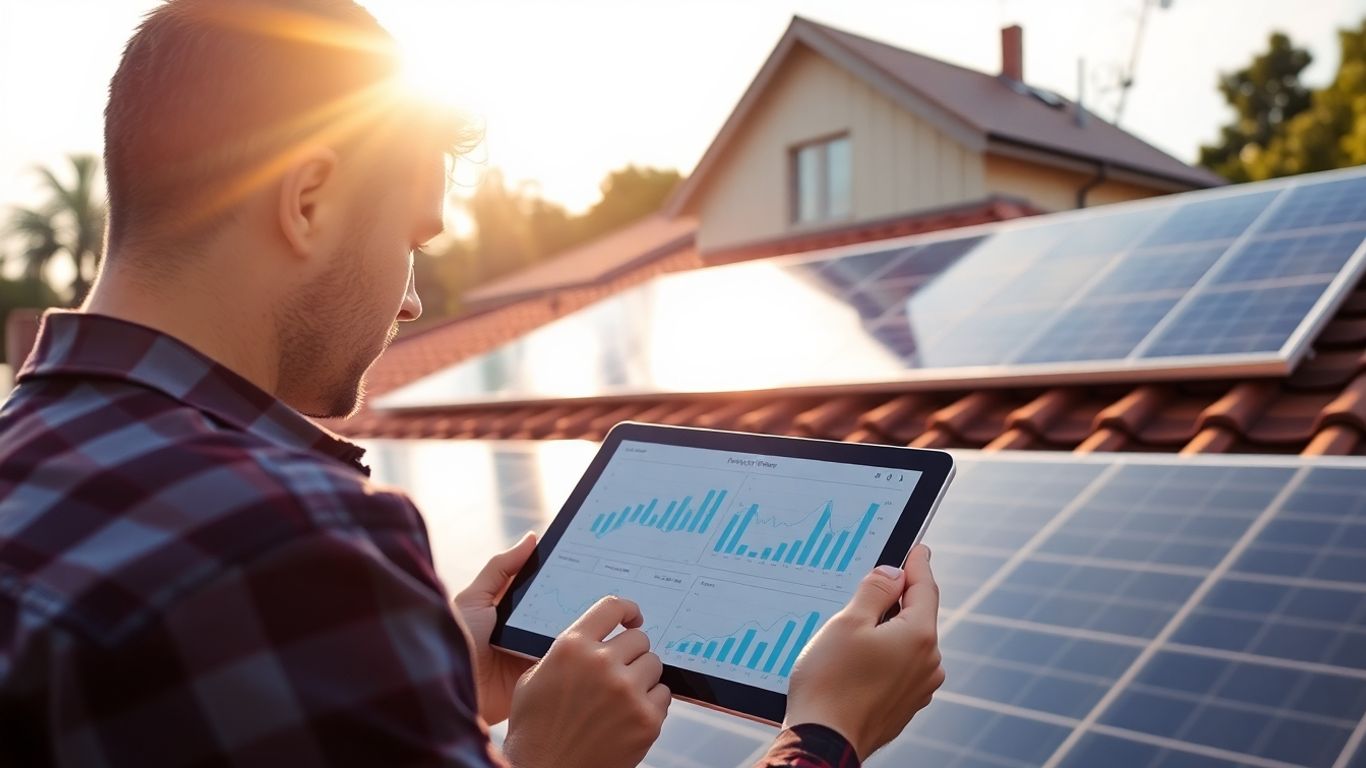
Choosing the right solar financing in South Africa depends heavily on your individual or business financial situation. Factors like income, creditworthiness, and long-term plans will guide you towards the most advantageous options, with Zensolar ready to assist at every step.
Income-Based Financing Recommendations
Your income level is a key determinant in selecting the best financing strategy. For individuals or businesses with higher incomes (e.g., R1,000,000+ annually), outright cash purchase or leveraging home equity might be feasible, maximizing immediate savings and tax benefits (for businesses). For middle-income brackets (e.g., R400,000 – R1,000,000 annually), solar loans offered through Zensolar’s partners provide a balanced approach, allowing system ownership with manageable monthly payments. For those with lower incomes (e.g., under R400,000 annually), exploring options like solar leases or PPAs through Zensolar, or investigating community solar initiatives if available, can provide access to solar benefits without a significant upfront financial commitment.
Credit Score Impact on Loan Options
Your credit score is a critical factor for securing solar loans. An excellent credit score (typically 740+) will grant you access to the most competitive interest rates and a wider range of loan products from South African financial institutions. A good score (680-739) still provides access to favourable loan terms, but comparing offers is crucial. For fair credit (620-679), loan options may be more limited, and interest rates higher; exploring specialized lenders or credit unions might be necessary. If your credit score is low, focusing on improving it before applying for a loan is advisable. In such cases, Zensolar’s lease or PPA options might be more accessible.
Long-Term Versus Short-Term Optimization
Consider your long-term plans. If you intend to stay in your current home or business premises for 15 years or more, owning your solar system outright or through a loan is generally the most financially rewarding strategy. You’ll benefit from the system’s full lifespan and maximize savings. If you anticipate moving or relocating within 5-10 years, a lease or PPA might offer simpler transferability. However, carefully review the terms regarding system removal or transfer fees. Zensolar can help you weigh these options based on your specific circumstances.
Aligning your solar financing with your financial profile is paramount. Don’t settle for the first offer. Thoroughly assess your income, credit history, and future plans. This diligence will prevent financial strain and maximize the return on your solar investment.
Here’s a quick look at how different financial profiles might lean:
High Income /Profitability: Cash purchase, home equity, Section 12B tax benefits (businesses), maximizing ownership advantages
Middle Income/Profitability: Solar loans (compare secured unsecured), focus on total cost and monthly payments.
Lower Income\/Profitability
Leases, PPAs through Zensolar, community solar (if available), focus on minimal upfront cost. Excellent Credit: Best loan rates, unsecured loans, negotiation power with lenders.
Good Credit: Competitive loan options, compare lenders carefully.
Fair Credit: Explore specialized lenders, credit unions, or Zensolar’s third-party options. Long-Term Homeowner\/Business: Ownership models, system ownership loans for maximum long-term savings.
Short-Term Homeowner\/Business: Leases, PPAs, focus on transferability and ease of exit
Navigating Solar Loan Specifics and Pitfalls in South Africa

If a solar loan is your chosen path to system ownership, understanding the specifics is crucial. Zensolar works with reputable financial partners to ensure transparency, but it’s vital to be aware of potential pitfalls.
Understanding Solar-Specific Loan Structures
Solar loans in South Africa are often structured to accommodate the investment. Some may offer flexible repayment terms or align with potential business tax benefits. While specific features like payment adjustments post-incentive claims are less common in SA compared to other markets, understanding the loan’s amortization schedule and how it impacts total repayment is key. Zensolar can help clarify these structures with our lending partners.
Identifying Hidden Fees and Dealer Markups
It’s essential to be vigilant about hidden fees. Some financing arrangements might include inflated system costs or undisclosed charges. Always request a detailed breakdown of the total loan amount and compare it against the system’s cash price quoted by Zensolar. Ensure that any fees are clearly itemized and explained. Transparency is key, and Zensolar is committed to providing clear pricing for our solar solutions.
Be aware of:
Loan Principal vs. Cash Price:
Ensure the loan amount closely reflects Zensolar’s quoted cash price for the system.
Fee Explanations: Request clear definitions for all associated fee.
Pressure Tactics: Avoid installers or financiers who rush you into signing without full disclosure.
Key Questions for Solar Loan Agreements
Engage in open dialogue with Zensolar and your chosen financial institution. Don’t hesitate to ask clarifying questions.
Questions for Zensolar (Your Installer):
What is the all-inclusive cash price for the proposed solar system?
How does the financed amount compare to the cash price?
What specific components (panels, inverters, batteries) are included, and what are their warranties?
Who is responsible for system maintenance and repairs, and what are the associated costs?
Questions for Your Lender:
What is the Annual Percentage Rate (APR) for this loan?
What is the total amount I will repay over the entire loan term?
Are there any penalties for early settlement of the loan?
Can you provide a clear, breakdown of all fees included in the loan?
Thoroughly understanding your loan agreement can prevent costly mistakes. Ensure all terms are in writing and that you are comfortable with the financial commitment before signing.
Comparing Solar Financing Costs and Benefits in South Africa
Making the switch to solar in South Africa involves more than just the initial system cost. A comprehensive financial comparison is essential to understand the long-term value.
Total Cost of Ownership Analysis
This analysis considers all expenses over the system’s lifespan: upfront costs (deposit, fees), financing costs (interest), ongoing maintenance, and potential inverter replacements. It also factors in the accumulated savings on electricity bills and any applicable business tax benefits (like Section 12B). Zensolar provides detailed proposals that help outline these costs.
Financing Option Comparison Framework
Let’s compare the primary financing methods:
Upfront Costs:
Cash Purchase: Full system price, potentially reduced by business tax benefits.
Loan: May require a deposit, plus loan origination fees.
Lease\/PPA: Typically zero or minimal upfront cost.
Monthly Costs: Cash Purchase: Significantly reduced or eliminated electricity bills from the utility
Loan: Fixed monthly loan repayment.
Lease\/PPA: Fixed monthly payment to the solar provider (Zensolar).
Total Costs Over 25 Years (Approximate):
Cash: System cost + maintenance – business tax benefits – electricity savings.
Loan: Loan payments + maintenance – business tax benefits – electricity savings
Lease\/PPA: Total monthly payments – electricity savings (often less significant than ownership).
The objective is to identify the financing strategy that offers the greatest net financial benefit over the system’s operational life. This involves looking beyond immediate expenses to long-term value.
Calculating Break-Even Points
The break-even point is when your cumulative savings equal your total investment. For a cash purchase, this is calculated by dividing the net system cost (after tax benefits) by the annual electricity savings. For loans, it involves factoring in the total loan repayment against the net savings. Zensolar’s consultants can help you estimate these break-even points for various scenarios
Maximizing Your Solar Investment Through Financing with Zensolar
Choosing Zensolar for your solar installation means opting for a partner dedicated to maximizing your investment. Smart financing is key to unlocking the full potential of your solar energy system.
The Advantages of System Ownership
Owning your solar system, whether financed through cash or a loan, provides the most significant long-term financial advantages in South Africa. For businesses, the primary benefit is the Section 12B tax allowance, enabling accelerated depreciation and substantial tax savings. Residential owners benefit directly from reduced electricity bills from Eskom or municipal suppliers. Ownership ensures that all savings and potential future benefits accrue directly to you.
Why ownership often prevails:
Business Tax Benefits: Section 12B allowances.
Direct Savings: All reductions in electricity bills are yours.
Property Value Boost: Owning your system can enhance property value.
Control: You manage maintenance and potential upgrades.
Optimizing Tax Benefits and Incentives
For businesses, leveraging Section 12B is crucial. Zensolar works with clients to ensure their solar installations are structured to qualify for these significant tax deductions. While residential incentives are less direct, maximizing savings through reduced electricity consumption is the primary goal. Staying informed about any evolving municipal or Eskom programs is also important, and Zensolar keeps abreast of these developments.
The Role of Installer Quality in Financing
The quality and reputation of your solar installer, like Zensolar, significantly impact your financing experience. A reputable installer provides transparent pricing, assists in navigating financing options, and ensures a high-quality installation that maximizes system performance and longevity. Poor installation can lead to underperformance, negating expected savings and potentially complicating future financing or resale. Zensolar’s commitment to quality installation ensures your solar investment is sound and reliable.
Selecting the right financing strategy is integral to your solar journey. It’s about more than just the initial cost; it’s about aligning your investment with your financial objectives for sustained energy savings and independence.
Wrapping It Up: Your Solar Financing Journey with Zensolar
Navigating solar financing in South Africa in 2025 offers diverse pathways. Whether you opt for cash purchase, a specialized solar loan, or a lease\/PPA through Zensolar, the key is informed decision-making. Compare all options, seek clarity on costs and terms, and partner with a trusted provider like Zensolar. Embracing solar energy is a significant step towards energy security and cost savings, and with the right financing plan, it’s an investment that pays dividends for years to come.
Frequently Asked Questions
What's the difference between owning solar panels and having a third party own them in South Africa?
When you own your solar panels, you directly benefit from all electricity savings and, if you’re a business, can claim tax benefits like Section 12B. You are responsible for maintenance. With third-party ownership (leases or PPAs), the solar company owns the system, handles maintenance, but you typically don’t receive direct tax benefits and may have lower overall savings.
How do South African tax benefits for solar work?
For businesses, Section 12B of the Income Tax Act allows for accelerated depreciation on renewable energy assets, significantly reducing taxable income. Residential owners primarily benefit from reduced electricity bills. Specific municipal rebates or Eskom programs may also be available but vary by region and time.
Can I use my savings or home equity to pay for solar panels in South Africa?
Yes. Using personal savings allows for outright ownership and avoids interest. Leveraging home equity through a home loan increase or equity loan is also an option, often with competitive rates, but requires careful consideration as your home serves as collateral.
What are solar loans in South Africa, and how do they differ from regular loans?
Solar loans are financing products specifically for solar installations. They may offer competitive rates because the solar system can serve as collateral. Zensolar partners with financial institutions to provide access to these loans. It’s advisable to compare offers from different banks, as your credit score will influence the terms.
Are there hidden fees I should watch out for with solar financing in South Africa?
Yes. Always request a detailed breakdown of all costs, including any loan origination fees or potential markups on the system price. Ensure transparency from your installer and lender. Zensolar is committed to clear and upfront pricing for all its solar solutions.
How do government and utility incentives affect my solar financing choice in South Africa?
For businesses, incentives like Section 12B significantly reduce the net cost of ownership, making financed or cash purchases more attractive. For residential customers, the primary incentive is reduced electricity bills, making ownership (via cash or loan) generally more financially beneficial long-term than leases or PPAs, which often forgo these direct savings.
Zensolar
Commercial and residential solar specialists
We help South African families and businesses break free from rising electricity costs with custom solar solutions that can cut your bills by up to 92% from day one. From consultation to installation, we make going solar simple so you can enjoy energy independence and predictable monthly savings In Gauteng, NW, Cape town and KZN
Address
51 Gustav Preller St, Vorna Valley, Midrand.
Phone
+27 11 045 9062