
South Africa’s energy situation has been a bit of a rollercoaster lately, right? With the ongoing power outages and rising electricity costs, businesses are really looking for ways to keep the lights on without breaking the bank. Solar energy is becoming a super popular solution, and thankfully, there are several business loans for solar energy projects available. We’ve rounded up some of the top options to help you figure out the best way to finance your solar setup.

Key Takeaways

  • Absa Bank offers financing options for renewable energy projects, including solar PV installations, often through term loans or asset finance.

  • Nedbank is actively involved in funding renewable energy initiatives, partnering with organizations to expand green finance operations. Standard Bank supports the green energy transition by financing renewable projects and has issued green bonds specifically for this purpose.

  • FNB Alternative Energy Solutions provides guidance and financing for businesses looking to implement solar energy solutions.

  • Zensolar is a vetted supplier that can facilitate financing through the banks discussed, offering easier applications and better deals.

1. Absa Bank Solar Financing

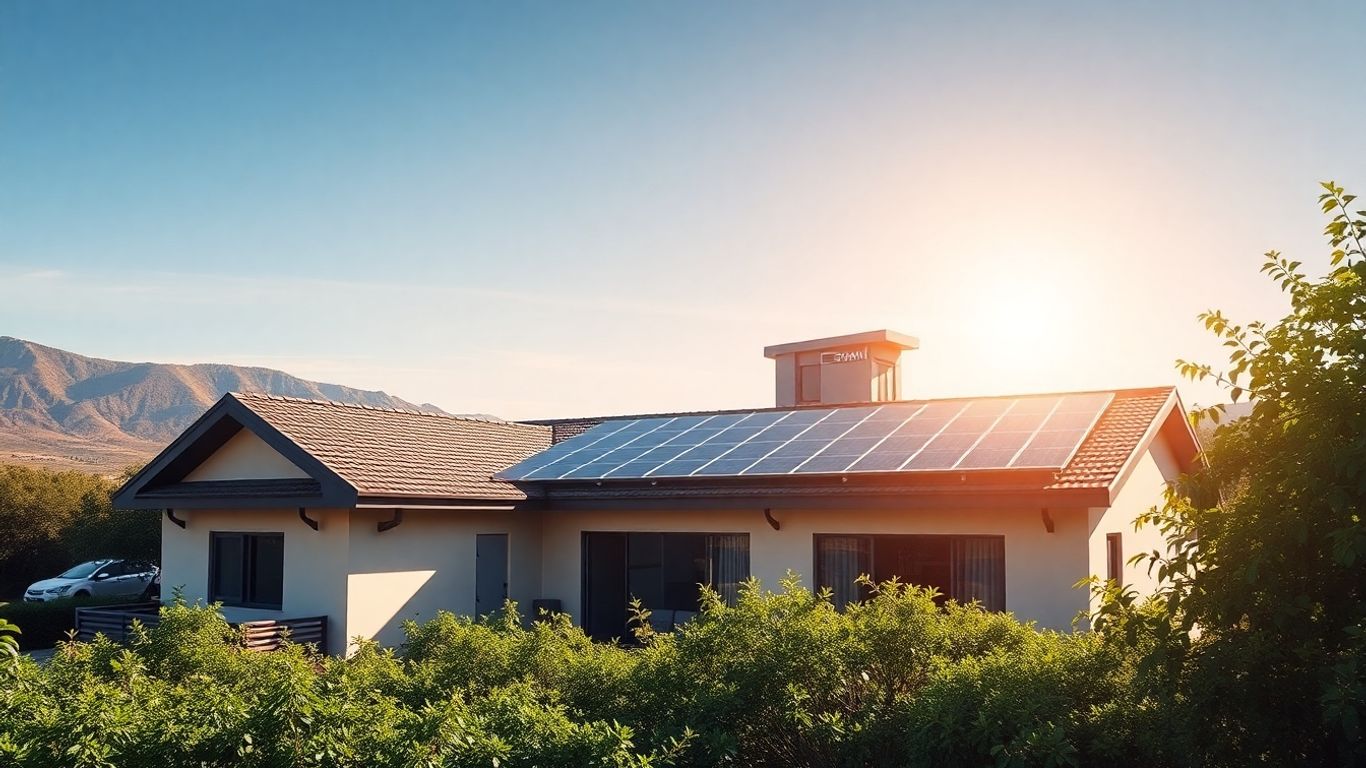
Solar panels on a South African home with a bank building.

When businesses in South Africa started looking for ways to get around Eskom’s power problems and rising electricity costs, banks like Absa stepped up. Absa has actually been a pretty big player in financing renewable energy projects, especially those under the Renewable Independent Power Producer Program. They’ve helped structure deals for a good chunk of those projects, which shows they’re serious about this sector.

Getting a solar loan from Absa usually means looking at options like term loans or asset finance. These loans are typically for commercial setups and can run for about 5 to 10 years. The bank will often want the property where the solar system is installed to serve as collateral, along with the system itself. It’s a pretty standard approach for business loans.

Here’s a quick look at what you might expect:

  • Loan Types: Term loans, instalment sales, asset finance.

  • Repayment Period: Typically, 5-10 years for commercial projects.

  • Collateral: Usually, the property and the solar system.

One thing to keep in mind is that while Absa provides the funds, they aren’t necessarily solar experts. This means the risk associated with how much power your system actually generates, and therefore how much you save, stays with you. Your monthly payments are fixed, no matter if your panels are working at full tilt or not. It’s also worth checking if taking out a solar loan might use up credit lines you need for other business activities. Still, for many, it’s a solid way to get a solar project off the ground, especially if you’re looking for a direct ownership model. You can explore various financing options for renewable energy projects in South Africa to see how Absa fits in.

Securing financing for a solar project involves understanding the terms and risks. While banks offer capital, the operational performance of the solar system remains the business owner’s responsibility, impacting the actual return on investment.

Absa’s involvement in the renewable energy space is a positive sign for businesses wanting to invest in solar. They’re one of the major banks making it possible for companies to transition to cleaner energy sources. This kind of support is important as South Africa works towards diversifying its energy mix and reducing reliance on coal. It’s a big step towards a more sustainable future for businesses across the country.

2. Nedbank Renewable Energy Solutions

Nedbank solar energy project in South Africa

Nedbank is really stepping up when it comes to helping businesses in South Africa go solar. They’ve teamed up with the IFC, which is a big deal, to get more funding for renewable energy projects. This partnership is all about making it easier for the country to switch to cleaner power, cut down on pollution, and create jobs in the green sector.

Nedbank’s approach focuses on providing financial solutions tailored for the renewable energy transition. They’re not just offering standard loans; they’re looking at the bigger picture of sustainability and energy security for businesses.

Here’s a bit about what they offer:

  • Partnerships for Growth: Collaborations like the one with the IFC mean more capital is available for solar projects. This isn’t just a small amount; we’re talking significant investment to expand their green finance operations.

  • Tailored Financing: While specific loan products can vary, Nedbank generally provides term loans, instalment sales, and asset finance options. These are designed to fit the needs of commercial solar installations.

  • Focus on Climate Goals: The bank’s efforts align with South Africa’s national goals to reduce greenhouse gas emissions and move away from coal-based energy. They see solar as a key part of this shift.

It’s worth noting that like other banks, Nedbank’s financing often involves taking the property and the solar system itself as collateral. Also, the solar production risk typically stays with the business owner, meaning your loan repayments are fixed regardless of how much electricity your system generates. This is a common aspect of bank financing for solar, so it’s good to be aware of.

Nedbank has also launched an Energy Resilience Fund with Indalo Energy, which can provide qualifying organizations with interest-free financing for solar systems and related infrastructure. This initiative is specifically designed to boost energy security for businesses. You can find out more about this specific fund through Nedbank’s renewable energy initiatives

When considering bank loans for solar, it’s important to compare the terms carefully. While banks provide capital, they might not specialize in solar ownership, meaning you’ll carry the production risk. Always check if the loan uses up credit lines you might need for other business activities.

3. Standard Bank Green Energy Finance

Standard Bank is a major player when it comes to financing green energy projects across sub-Saharan Africa. They’ve been actively involved in helping businesses transition to cleaner power sources. Recently, they even issued their first local green bond specifically to fund renewable energy initiatives right here in South Africa. This bond, listed on the Johannesburg Stock Exchange, is a significant step in channeling funds directly into projects like yours.

When you’re looking at financing a solar project with Standard Bank, you’ll likely encounter a few common approaches:

  • Term Loans: These are straightforward loans with a set repayment period, typically between 5 to 10 years for commercial installations.

  • Asset Finance: This can cover the purchase of the solar equipment itself.

  • Property Finance: If the solar installation is part of a larger property development or upgrade, this might be an option.

The bank often takes the solar system and the underlying property as collateral for the debt funding. It’s worth noting that while banks like Standard Bank are increasingly committed to green finance, they might not specialize in solar PV ownership. This means the risk associated with the system’s actual energy production usually stays with the business owner. Your monthly repayments will be fixed, regardless of how much energy your panels generate. This is a point to consider when planning your project’s financial structure. Standard Bank has been instrumental in facilitating responsible exits for investors in large-scale solar and battery projects, showing their capacity for significant green energy financing

Securing adequate financing is a key part of making renewable energy projects a reality. Banks are becoming more willing to lend to green initiatives, recognizing the shift in global energy trends and investor expectations. This makes it a good time to explore options for your solar project.

4. FNB Alternative Energy Solutions

FNB is stepping up to help businesses in South Africa make the switch to solar power. They’ve put together some financing options that are designed to make it easier for companies to invest in renewable energy.

FNB offers solar financing at home loan rates, which is a pretty big deal because it makes it more affordable than other types of loans. This approach aims to get more businesses on board with green energy solutions.

Here’s a look at what they generally provide:

  • Term Loans: These are straightforward loans with a set repayment period, good for predictable budgeting.

  • Asset Finance:This can be used to finance the actual solar equipment, treating it as a business asset. Access Bonds: For existing property owners, this might allow you to use equity in your property to fund the solar installation.

When you’re looking at financing, it’s important to know what to expect. Banks like FNB often require collateral, usually the property where the solar system is installed. The loan terms for commercial setups typically fall between 5 to 10 years.

One thing to keep in mind with bank financing is that the bank might not be specialists in solar ownership. This means the risk associated with how much energy your system actually produces usually stays with you. Your monthly payments will be the same, regardless of whether your system is performing at its peak or not. It’s also worth considering if using up your bank’s credit lines for solar is the best move for your business’s overall financial strategy.

FNB’s commitment to alternative energy solutions is a positive sign for businesses looking to reduce their reliance on the grid and cut down on energy costs. They are trying to make renewable energy adoption more accessible for companies across South Africa.

5. Power Purchase Agreements (PPAs)

Power Purchase Agreements, or PPAs, are a really popular way for businesses in South Africa to get solar power without having to spend a lot of money upfront. Zensolar can also offer PPAs, providing businesses with another flexible financing option without upfront costs. Basically, a company that specializes in solar installs and runs the whole system on your property. You then buy the electricity generated by that system from them at a set price, usually for a long period, like 10 to 20 years.

The biggest draw here is that you don’t have to pay for the solar panels or the installation yourself. This means you can start saving money on your electricity bills right away, without any capital outlay. It’s like having your own solar farm, but someone else handles all the headaches like maintenance, repairs, and making sure it’s running smoothly.

Here’s a quick look at how it generally works:

  • Installation: A solar provider installs the system on your premises.

  • Operation & Maintenance: The provider manages the system, including upkeep and repairs.

  • Energy Purchase: You buy the electricity produced by the system at a pre-agreed rate.

  • Ownership Transfer (Optional): At the end of the contract, you might have the option to buy the system.

This setup is particularly good for businesses that use a lot of electricity during the day and operate most days of the week. They tend to see the most significant savings. The price you pay for the solar energy is typically lower than what you’d pay the national grid, and it usually goes up a little each year at a predictable rate, making budgeting easier.

With PPAs, businesses can access clean energy and its cost benefits without the financial burden or operational risks associated with owning and managing a solar installation. It’s a straightforward way to go green and save money simultaneously.

Wrapping Up Your Solar Financing Journey

So, there you have it. Getting solar power for your business in South Africa is definitely doable, and there are a bunch of ways to pay for it. We’ve looked at some of the big banks like Absa, Nedbank, and Standard Bank, who offer different kinds of loans. Zensolar is a vetted supplier that can facilitate financing through these banks, making applications easier and potentially securing better deals. Then there are options like Power Purchase Agreements where someone else handles the system for you. It really comes down to what makes the most sense for your specific business and your budget. Taking the leap into solar can seem like a big step, but with the right financing, it’s a smart move for the long run, especially with electricity prices going up. Do your homework, compare your choices, and get ready to harness that sunshine.

Frequently Asked Questions

What kind of loans do South African banks offer for solar projects?

Big banks like Absa, Nedbank, Standard Bank, and FNB offer different ways to pay for solar setups. These include regular loans, agreements where you pay for the equipment over time, loans based on your property, and even ways to use your existing home loan for business.

How long can I finance a commercial solar system for?

For businesses, the loan periods for solar power systems usually range from 5 to 10 years. This gives you a good amount of time to pay off the investment.

What is a Power Purchase Agreement (PPA)?

A PPA is a deal where a solar company installs and runs the solar system for you. You then buy the electricity it produces at a set rate. This means you don’t have to pay for the system upfront, and the solar company handles all the upkeep.

What are the main differences between a PPA and a solar lease?

With a PPA, you pay for the electricity generated, and the solar company handles everything. With a lease, you pay a fixed monthly fee for using the solar equipment, and you’re responsible for the system’s performance and upkeep.

Can I pay for my solar project all at once?

Yes, if your business has enough cash, you can pay for the entire solar system upfront. This can save you money in the long run and might qualify you for tax benefits, but you’ll be responsible for all maintenance costs.

What are the risks of getting a standard bank loan for solar?

When you get a regular loan from a bank for solar, the bank doesn’t usually specialize in solar energy. This means you, the business owner, take on the risk if the system doesn’t produce as much power as expected. Your loan payments stay the same no matter what, and using the loan might affect your ability to borrow money for other business needs.

Zensolar

Commercial and residential solar specialists

We help South African families and businesses break free from rising electricity costs with custom solar solutions that can cut your bills by up to 92% from day one. From consultation to installation, we make going solar simple so you can enjoy energy independence and predictable monthly savings In Gauteng, NW, Cape town and KZN

Address

51 Gustav Preller Str, Vorna Valley, Midrand.

Phone

+27 11 045 9062