Start with your bill, not the panels
Most guides open with a list of brands. That is the wrong place to start. The right system is the one that matches what your home actually uses, what your roof can hold, and what you can pay back at your current tariff.
Pull your last three Eskom or municipal bills. Find the monthly kWh number, usually on the second page. That figure is the size of the problem you are solving. Everything else flows from it.
Also note your supply capacity. Most South African homes run on a single-phase 60 A or 80 A connection, which limits how big an inverter you can use without an expensive meter upgrade. A site visit confirms this for certain.
The three system types and when each one wins
Grid-tied
A grid-tied system has panels and an inverter, with no battery. It runs your home when the sun is up. When the sun goes down, you buy from the grid as normal. It is the cheapest way to cut your bill, and it suits any home with a stable connection.
Hybrid with battery
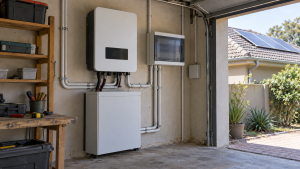
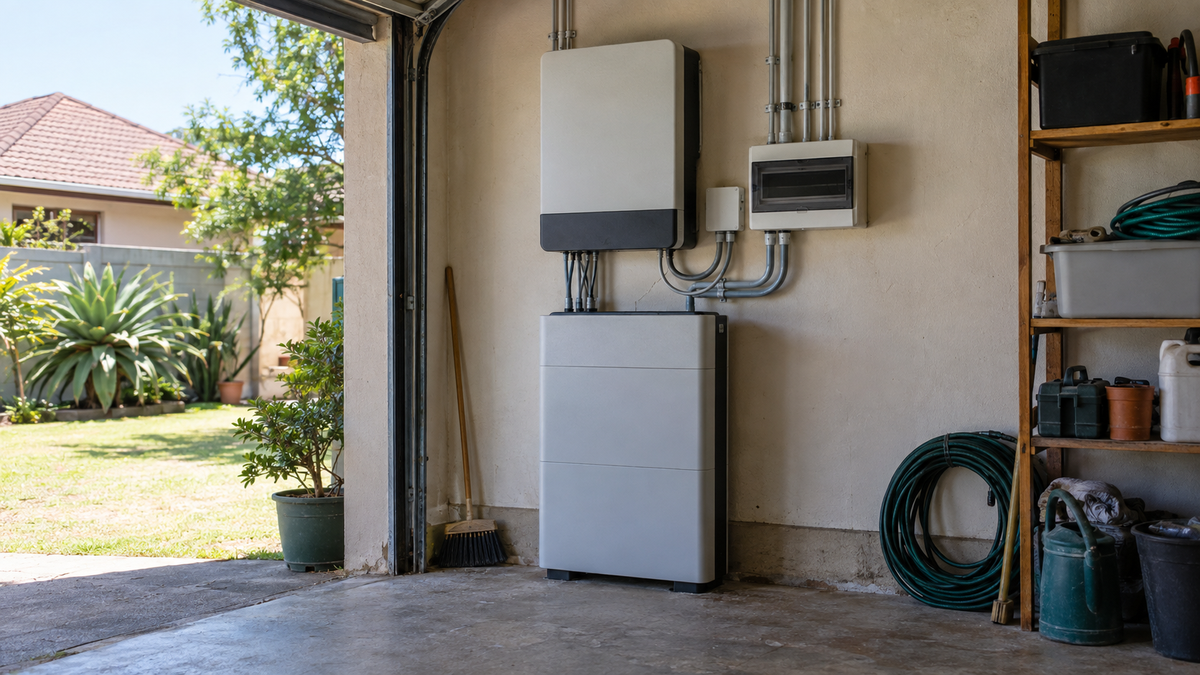
A hybrid inverter does everything a grid-tied inverter does, plus it charges a battery. The battery covers evening peaks and short outages. For most South African homes in 2026, this is the most useful middle choice.
Off-grid
An off-grid system has enough battery to run the home for days at a time without the grid. It costs a lot more, because the battery has to be sized for worst-case weather. It only makes sense where the grid is genuinely poor or absent.
Sizing the system to your actual usage
What to pull from your last few bills
Look at the kWh figure for each of the last three months. Average them. That is your daily target in kWh divided by 30. A home using 900 kWh a month needs roughly 30 kWh a day covered by solar.
Watch for seasonal swings. A household that runs air conditioning heavily in February will look very different from a household that uses a geyser and stove on winter evenings. Size for the average, then check the peak.
Peak demand and the appliances that drive it
Peak demand is the highest power draw your home puts on the system at one moment. A kettle, a microwave, and a pool pump on at once can spike above 10 kW. Your inverter and supply capacity have to handle that spike, or the system will trip.
Shift heavy loads to run during the day if you can. Solar covers them for free, and your payback period shortens.
The parts that make up a home system
Panels
Panels turn sunlight into DC electricity. Most home panels today are between 450 W and 550 W. A 5 kWp system uses about 10 to 12 panels. The exact count depends on panel wattage and your roof area.
Panels face north in South Africa for the best year-round output. A north-facing roof with no shading is the easy case. East- and west-facing roofs still work, with a small drop in total output.
Inverter
The inverter turns DC into AC for your home. It is the brain. Match its size to your peak demand, not just your average. String inverters are common and cost less. Micro-inverters suit shaded roofs. Hybrid inverters add charging for a battery.
Battery
A battery stores solar energy for later. The capacity is measured in kWh. A 10 kWh battery covers most homes for an evening. Bigger batteries extend cover into the night, but cost more and add to payback.
Mounting, monitoring, and the small items
Mounting holds the panels to the roof. Quality mounting handles wind and lasts the life of the system. Monitoring is the app or screen that shows you what the system is doing. Small items like DC isolators, AC breakers, and cable add up. A clean quote lists them.
Brand tiers and what you are actually paying for
Premium panels and inverters carry longer warranties and tighter output guarantees. Budget gear costs less up front, but the warranty terms matter more than the brand name. Read the fine print.
For inverters, ZenSolar fits and supplies Fox ESS and Sigenergy gear, both authorised lines with proper South African support. Other brands exist in the market, and your installer may quote them, but those are the lines this business stands behind.
The real economics: self-use, payback, and oversizing
Why bigger is not always better
Individuals who pay personal income tax can claim a rebate of 25% of the cost of new, unused PV panels, up to a maximum of R15 000, against their tax liability, per SARS, which trims the effective cost before payback even starts. Every extra kWp of panels costs money. If your home cannot use the power those panels produce, the inverter throttles or you push the surplus onto the grid for a small credit. Both cases slow your payback.
A system sized to your actual daytime load pays back faster than a system sized to your roof. Match the kit to the bill, not the roof.
What changes the payback number most
Self-use ratio is the biggest driver. The more solar energy your home uses while the sun is up, the less you buy from the grid, and the sooner the system pays for itself. Load shifting makes a real difference.
Tariff is the second driver. Eskom’s average price increase was 8.76% for the 2027 financial year, with municipal bulk increases averaging 9.01% from 1 July 2026 (Eskom). Over the last decade, the national average electricity tariff rose by about 10% per year against inflation of around 5.2% (CSIR). A higher tariff shortens payback.
The third driver is what you install. A 5 kWp hybrid system costs more than a 5 kWp grid-tied system, and a battery adds to the payback timeline, with the exact effect depending on the battery size you choose. Run the numbers for your home, with your bill, before you commit.
Warranties, installer quality, and after-sales support
Panel warranties run 25 years on output. Inverter warranties run 5 to 12 years. Battery warranties run 10 years or a set cycle count. Read what each warranty covers, and what it excludes. Labour and call-out fees are often not covered.
Installer quality matters more than panel brand for the life of the system. A clean install on a sound roof lasts. A rushed install with poor cable management fails early, no matter what brand is on the roof. Ask who answers the phone in year three.
The quote checklist: what to confirm before you sign
- Bill match. The system size should match your last three months of usage.
- Roof check. Roof condition, age, and orientation, plus any shading from trees or buildings.
- Meter and supply. That your meter is in place and your supply capacity can handle the inverter.
- Line items. Hardware, install labour, mounting, electrical work, and COC, listed separately.
- Warranties. Panel, inverter, battery, and workmanship, with the document.
- Timeline. A realistic install date and what happens if the roof or grid causes delay.
- After-sales. A named person, a monitoring app, and a fault response time.
From enquiry to switch-on: a realistic timeline
From first call to a working system, plan on two to six weeks for a straightforward home. The site visit and quote take a week. Equipment lead time depends on stock. The install itself takes one to three days for most homes. The municipal sign-off for the meter change can add two to four weeks on top.
Things that slow it down: a roof that needs repairs, an undersized supply cable, a backlog at the local office, and the wrong inverter on back order. Ask your installer about each of these before you sign.
Your next step
Get the numbers for your own roof. A short site visit and a look at your last three bills gives you a real price, a real size, and a real payback. Then decide.
Book a site visit and see what your home can do.
FAQ
What size solar system do I need for a typical South African home? Most homes using 600 to 900 kWh a month land on a 5 to 8 kWp system with a 5 to 10 kWh battery, depending on daytime load.
Is a battery worth it if the grid is mostly stable now? It depends on your evening load and your tariff. A battery cuts evening peak use, and that still saves money on a high tariff.
How many panels fit on a normal residential roof? A single-storey home with a clear north face usually fits 10 to 16 modern panels without trouble.
What is the difference between a hybrid and a grid-tied inverter? A grid-tied inverter runs solar while the sun is up. A hybrid inverter does that, plus it charges a battery for later.
How long does a home solar installation take from quote to switch-on? Plan on two to six weeks for a typical home, longer if the meter change is slow or the roof needs work.