Key Takeaways
Transitioning to proprietary solar power requires a clear understanding of the market and long-term financial implications. This overview highlights the key elements for homeowners considering an energy transition.
- Component costs for panels and batteries have become significantly more accessible over the last two years.
- Proper assessment of household consumption is necessary to avoid over-spending on oversized systems.
- Financing options ranging from cash purchases to leasing can help manage the initial outlay.
- Electricity tariff increases make the self-consumption of solar energy increasingly attractive for residential stability.
- Professional installation ensures that equipment warranties and safety compliance remain valid for the lifespan of the assets.
Understanding the core components of a solar power system
Investing in a residential energy solution involves integrating several critical technologies designed to harness sunlight and provide stable, clean electricity. Homeowners need to evaluate the capacity of their chosen equipment against their specific usage patterns to ensure the system performs as expected. Balancing these elements effectively is crucial for maximizing efficiency and long-term reliability.
Solar photovoltaic (PV) panel pricing
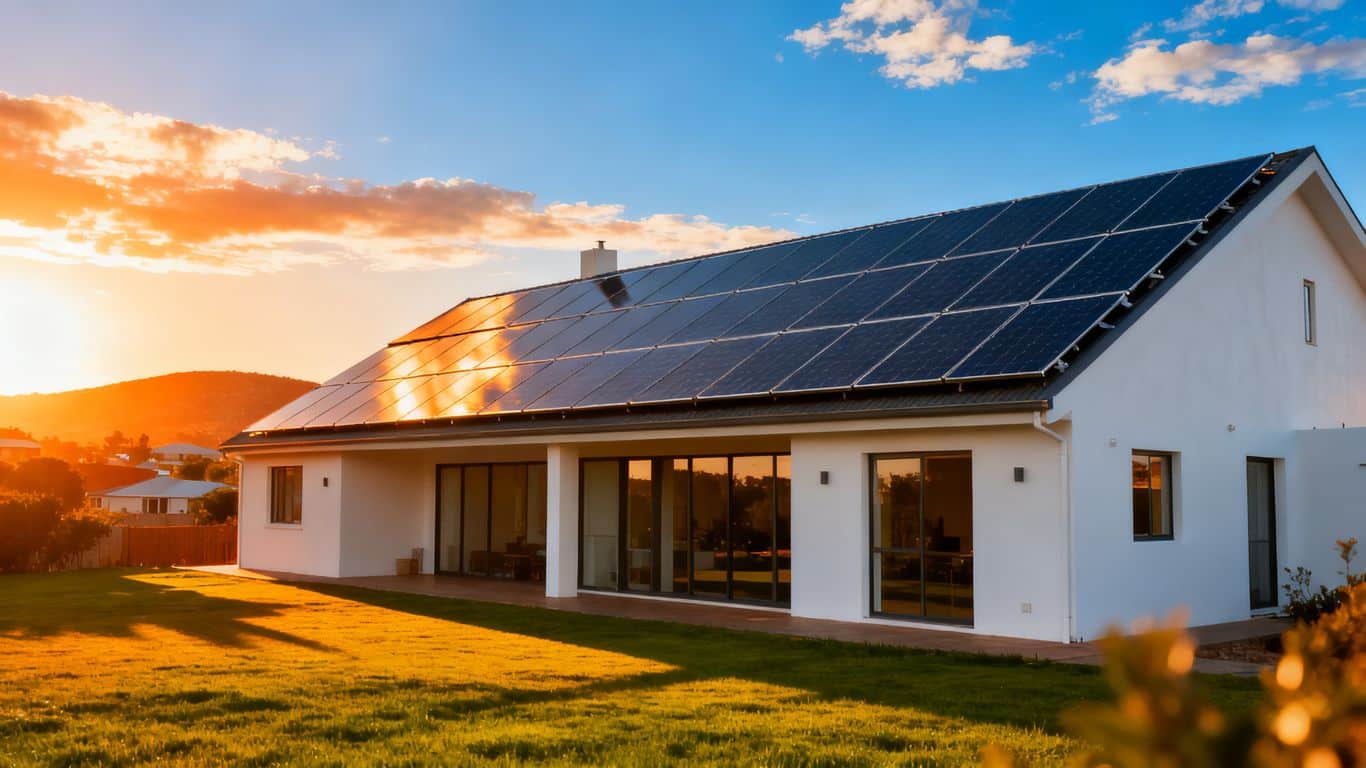
Solar panels represent the primary capture mechanism for your installation, transforming sunlight directly into usable electrical energy. Prices have stabilised globally, making high-efficiency modules more accessible for average households than ever before. When selecting panels, consider the wattage and physical dimensions carefully.
- Monocrystalline panels often provide the highest energy harvest per square metre.
- Polycrystalline options exist, but they are increasingly supplanted by more efficient silicon-based alternatives.
- Bifacial technology allows for additional generation by capturing reflected light, specifically useful for ground-mounted or flat roof applications.
Selecting high-quality hardware directly influences the generation capacity of your solar power system cost south africa. Ensuring your roof orientation receives optimal sunlight is just as important as the panel quality itself, as shading can significantly diminish performance.
The role and cost of hybrid inverters
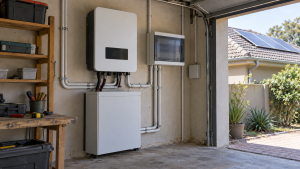
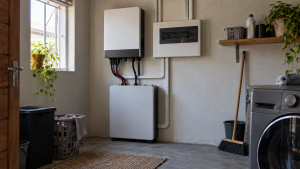
Hybrid inverters act as the intelligence centre of your energy setup, managing power flow between the panels, the battery, and your home circuitry. These devices ensure that your home prioritises self-generated power while maintaining a connection to the primary grid when storage is depleted. Because they handle sophisticated power conversion, they represent a significant portion of the total system budget.
Lithium-ion battery capacity considerations
Battery storage allows you to bridge the gap between peak solar production during the day and your consumption needs at night. The cost of lithium-ion units has trended downward, which improves the feasibility of storing energy rather than feeding it back into the grid unnecessarily. It is essential to select a capacity that reflects your critical load requirements throughout the evening hours.
Balance of system (BOS) hardware expenses
System components often overlooked include the mounting brackets, cabling, circuit breakers, and electrical enclosures required to tie everything together. These balance of system items ensure the installation is safe and capable of withstanding local weather conditions for years. Do not underestimate these costs, as they often constitute a surprisingly large portion of the budget in professional setups.
Factors influencing the total installation cost
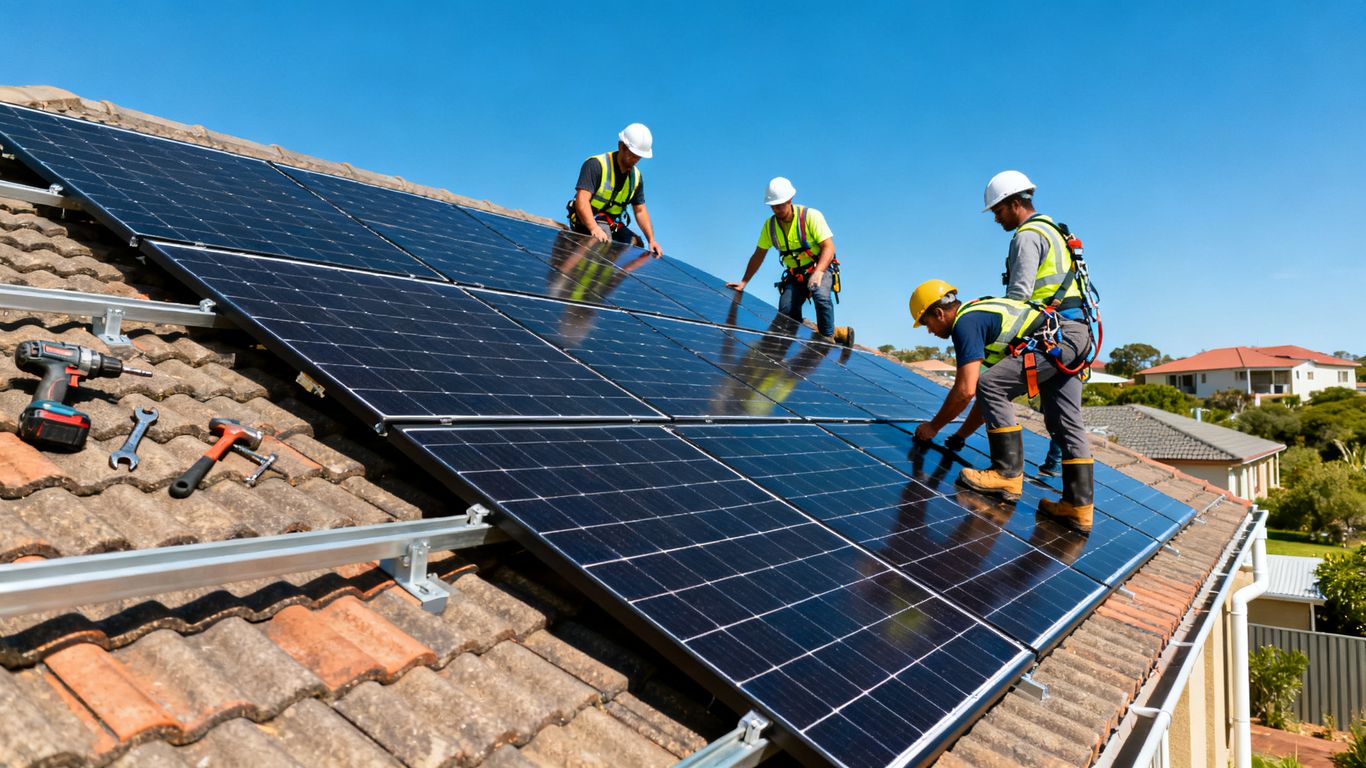
Determining the final price of an installation is rarely a static calculation because every roof and household presents unique challenges. The total investment figure reflects not just the core components but the complex labour and engineering required to integrate them successfully. Understanding these variables helps you manage expectations during the planning phase.
Assessing power requirements for your household
Your specific consumption profile is the most important factor in sizing a system that provides genuine value. If you overestimate your needs, you pay for hardware that remains underutilised; underestimate them, and the system fails to deliver expected savings on your monthly utility bills. Most ZenSolar clients find that a detailed analysis of their past twelve months of consumption provides the most accurate baseline for system design.
Roof structure and mounting material complications
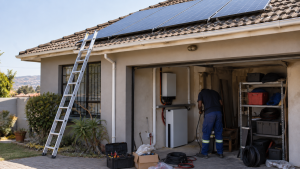
Not all roofs are suited for solar arrays without structural modifications, especially if the surface material is fragile or the truss framework requires reinforcement. Tiled roofs typically require more labour-intensive mounting solutions compared to industrial metal sheeting. These variables influence the final labour costs for your residential solar solutions.
Choosing between Tier 1 and entry-level equipment
Market-leading Tier 1 equipment often carries a slight premium but provides superior degradation rates and more reliable long-term support. Entry-level alternatives may show lower upfront prices, but they risk requiring premature replacement or repairs. Balancing your immediate budget with the expected lifespan of the hardware is vital for optimising your investment.
Impact of geographic location on installation logistics
Transporting heavy batteries and bulky solar hardware to remote or high-altitude areas can add significant logistics premiums. Additionally, local installer access and permit requirements can vary between municipalities. These logistical expenses are often passed through to the client and should be accounted for in your total budget planning.
Analysing current solar power system pricing in South Africa
Market pricing for solar technology has shifted in recent years, making it easier to find reputable solar kits that fit a variety of budgets and household sizes. While costs vary based on component choice, a standardized price range has emerged across the industry for different system configurations.
Starter kits for essential outage protection
Essential kits typically combine a small inverter and a limited battery bank, allowing for basic appliance operation during outages. These setups are designed more for emergency reliability than for permanent reduction of grid dependency.
Mid-range systems for primary residential usage
Mid-range setups are the most popular choice for typical families who wish to lower their monthly household electricity expenses substantially. These systems often include higher capacity battery banks and larger PV arrays.
| System Size | Estimated Core Cost | Primary Use Case |
|---|---|---|
| 3.5 kW | R 75 000 | Basic residential lighting |
| 5 kW | R 110 000 | Medium home usage |
| 8 kW | R 175 000 | Large home or office |
While these ranges represent typical market entry points, actual costs fluctuating with equipment choices and site-specific labour requirements remain a factor. Always request a detailed breakdown so you can see where your money is being spent.
High-capacity off-grid capable configurations
Systems designed to operate entirely independently of the grid require large battery arrays and oversized inverter capacities to handle high-demand days. These configurations represent the peak of residential energy investment, ensuring near-total reliance on self-generated power.
Why regional pricing disparities exist across provinces
Variation in pricing between provinces often stems from the distance hardware must travel and the local cost of specialised labour. Urban centres with high demand and established supply chains often see lower pricing for solar installations compared to more rural or isolated regions.
Hidden costs and installation considerations
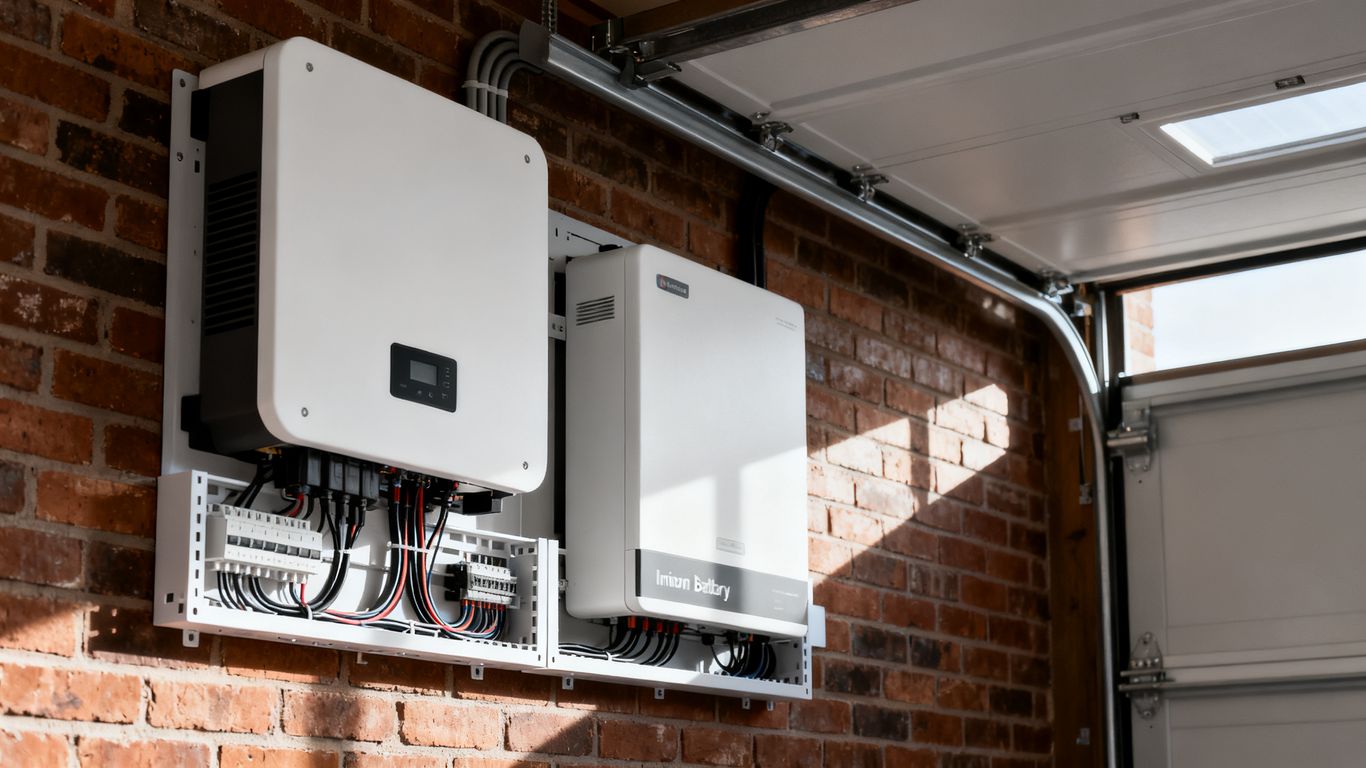
Beyond the physical components, successful energy independence requires attention to the regulatory and maintenance aspects of your system. These items are frequently overlooked by first-time buyers but are essential for long-term health and insurance compliance.
Electrical compliance and safety certificate fees
Every installation must be signed off by a qualified professional to ensure it meets national safety standards. These certifications are a legal requirement and often mandatory for insurance claims, should any damage occur to the system or your property.
Labour and structural engineering assessments
If your home architecture demands custom mounting or significant electrical rewiring, specialized consultants may be required. These engineers ensure that the weight of the solar panels and the installation layout do not compromise the integrity of your rooftop structure.
Regular maintenance and system monitoring requirements
Solar panels require occasional cleaning to maintain peak output, and inverters often need firmware updates or health status checks. Proactive monitoring via software allows you to detect performance drops before they become costly failures. Ignoring these tasks can lead to avoidable long-term performance degradation throughout the life of your equipment.
Insurance premiums for permanent solar installations
Adding a high-value solar setup to your property will likely require an update to your existing house insurance policy. Informing your insurer ensures that your new assets are covered against theft, fire, or accidental damage during severe weather events.
Financing your solar investment
The most robust approach to solar financing is viewing the expenditure as a capital investment that shifts your monthly operational costs into a predictable, fixed asset payment. When you reduce your grid consumption, you protect your household cash flow against unpredictable utility tariff spikes which have historically outpaced inflation.
Cash purchase benefits and return on investment
Paying with cash upfront eliminates interest charges and provides the quickest path to achieving a neutral payback period on your hardware. By removing financing costs, you can maximize the immediate return on investment relative to your annual utility bill savings.
Bank-funded solar loans and interest rates
Many financial institutions now offer specialised credit facilities for renewable investments, often with better rates than standard personal loans. These facilities can bridge the gap for homeowners who prefer to preserve their cash reserves while still making the transition to solar.
Rent-to-own models and subscription agreements
Subscription-based energy models allow you to gain access to modern solar equipment by paying a set monthly fee rather than a large lump sum. This eliminates the need for a major capital outlay while ensuring that maintenance is often bundled into the service agreement. It is a suitable path for those who prefer operational expenses over fixed assets.
Weighing long-term ownership against leasing arrangements
Choosing between ownership and leasing involves balancing your appetite for risk against your desire for simplicity. While owners benefit from the full equity of the system, lessees enjoy the benefits of technology upgrades and professionally managed servicing without personal management responsibilities.
Long-term cost-benefit analysis
Electricity tariff escalation and potential savings
Utility tariffs show a consistent upward trend that shifts the cost-benefit equation in favour of solar energy over time. As grid electricity becomes more expensive, the value derived from every unit of energy you generate at home grows, which essentially accelerates the payback timeline of your investment.
Equipment degradation rates and warranty periods
Most modern panels are guaranteed to produce at least 80% to 90% of their initial output for up to 25 years. Understanding your warranty terms provides a safety net against manufacturing defects and ensures your system continues to produce value long after it has paid for itself.
The impact of solar installations on property re-sale value
Prospective buyers increasingly prioritize energy-efficient homes, viewing solar installations as an added, high-value asset. Prospective real-estate evaluations often show that homes with pre-installed systems sell faster and at a premium, as buyers recognise the benefit of locked-in energy independence.
Payback period projections in the current energy market
Calculated over several years, the payback period for a residential system is now commonly situated between four and eight years. As utility costs continue their upward trajectory, those who have locked in their energy costs find that their initial expenditure is recovered sooner than originally anticipated.
Conclusion
Transitioning to solar power has moved from a niche interest to a standard utility upgrade for the modern South African home. While the upfront costs require careful deliberation, the combination of lower hardware prices and rising grid tariffs makes this an opportune time to secure your own energy supply. By focusing on quality components and proper installation practices, you create a lasting asset that protects your bottom line for decades to come.
Frequently Asked Questions
How long should a typical solar system last?
Most high-quality PV panels are designed to remain effective for 20 to 25 years, while inverters and batteries typically require a replacement or update every 10 to 15 years.
Can I install the system in phases to spread the cost?
Yes, many homeowners start with a smaller array and inverter capacity, adding more solar panels or battery storage modules as their budget allows, provided the initial inverter can handle the later expansions.
Does the system work if I am not at home during the day?
Solar power is best utilized if your home has automated systems or high-energy appliances running during sunlight hours, but battery storage effectively captures any excess energy to power your home during the evening.
Will solar power completely remove my need for the grid?
For most homes, the grid remains a useful backup for exceptionally long periods of low production, though off-grid configurations can achieve total independence if designed with sufficiently large storage banks.
Is specialized cleaning required for the panels?
Panels usually stay clean enough with normal rainfall, but in areas with significant dust or bird interference, a simple soft-bristle brush and water rinse once or twice a year is sufficient to maintain efficiency.
How does weather affect daily production levels?
Overcast or rainy weather will reduce the amount of energy your system produces compared to a clear day, which is why your battery capacity and system design must account for lower-production periods.
Can I monitor my energy savings through an app?
Most modern inverters come equipped with mobile-enabled monitoring platforms that track your real-time generation and consumption, allowing you to see exactly how much you are saving on a daily basis.
Ready to take the next step with solar?
Speak to the ZenSolar team about the right system for your home or business — every system we sell is installed and supported through our manufacturer-approved installers.