Key Takeaways
Transitioning to solar power requires reliable energy storage to maintain consistent operation throughout the day and night. The freedom won 5kw battery provides a modular approach to residential and commercial energy management.
- The eTower utilizes high-efficiency lithium iron phosphate chemistry for cycles.
- Proper vertical or rack-mount installation is crucial for thermal performance.
- You can scale the system by adding additional 5kWh units in parallel.
- Closed-loop communication with your inverter ensures optimal charging profiles.
- Periodic monitoring of the internal battery management system prevents premature failure.
Understanding eTower technology
Lithium iron phosphate chemistry advantages
Lithium iron phosphate, or LiFePO4, offers a safe and stable chemical foundation for stationary storage units. By selecting eTower chemistry, you benefit from high thermal stability and a long cycle life compared to traditional lead-acid alternatives, making it a reliable choice for daily deep-cycling applications.
Battery management system capabilities
The onboard system acts as the brain for the Freedom Won eTower Battery 5kWh E5000. It constantly monitors cell voltages, internal temperatures, and current flow to ensure the internal infrastructure stays within safe operational limits. This automated management prevents overcharging and protects individual cell integrity during rigorous daily use.
Energy density and physical footprint
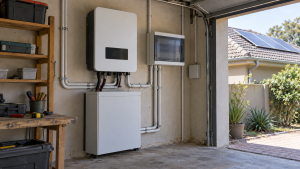
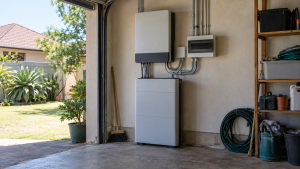
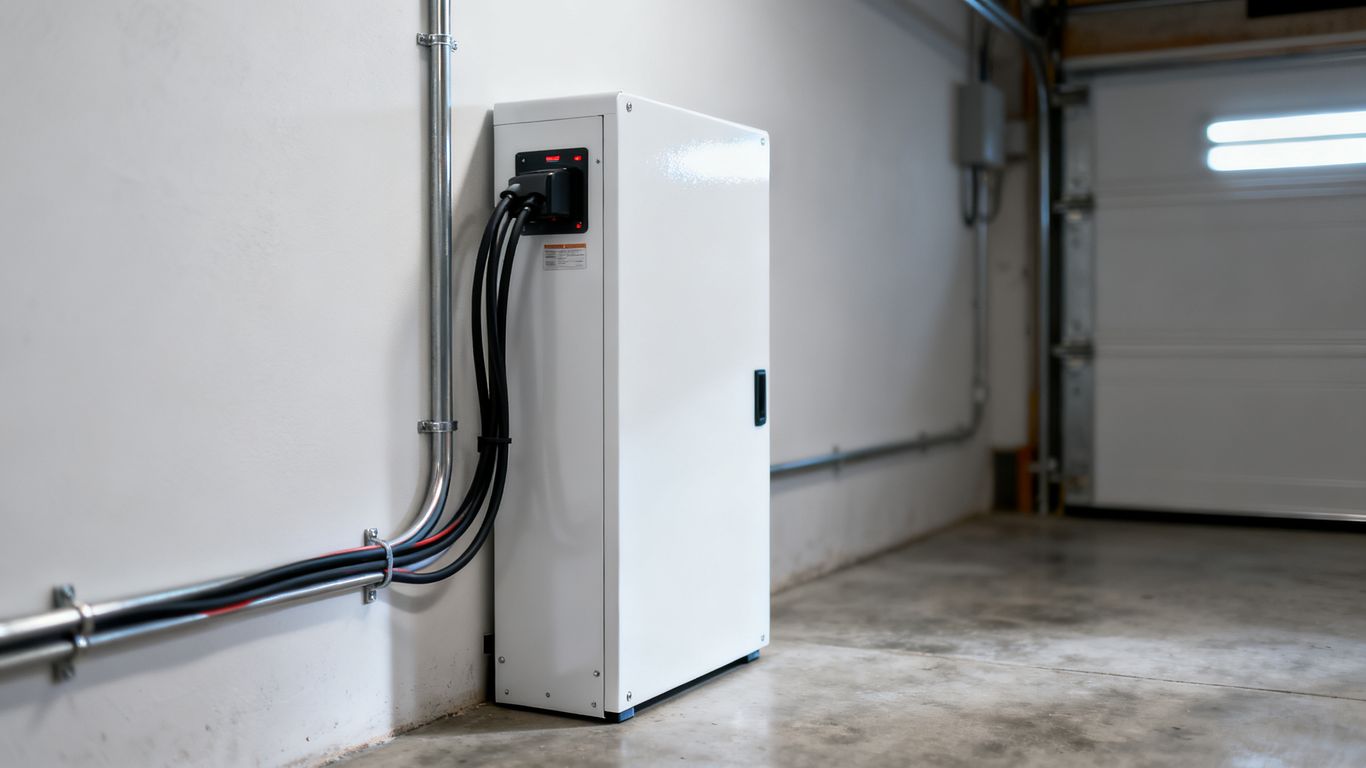
The footprint of modern energy storage is compact, allowing for flexible placement in utility rooms or garage spaces. As you evaluate your installation site, remember that the Freedom Won eTower Lithium 5kWh battery 48V is designed to fit standard racking formats or wall-mount configurations, helping you maximize available space while building out your capacity.
Installation and system configuration
Wall-mount versus cabinet requirements
Deciding between wall mounting and cabinet integration depends on your specific site conditions and total capacity planning. You must ensure the chosen surface or rack structure is rated for the weight of the Freedom Won eTower e5000 units, especially if you plan to stack four units to reach 20kWh.
Ensuring correct ventilation and thermal management
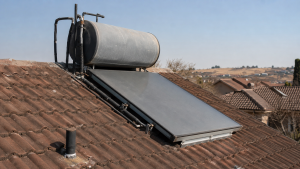
Good airflow is non-negotiable for sustained performance. Avoid obstructing the intake and exhaust ports of the tower, and keep the battery away from heat sources like hot water cylinders or direct sunlight to maintain the integrity of the cells.
Wiring and cable sizing best practice
Using the correct cable gauge is essential for safety and optimal power transfer. Consult the manufacturer guidelines to select properly rated DC cabling that accommodates the high current output of your inverter connection, ensuring you avoid excessive heat generation or voltage drop during system operation.
Integrating the eTower with solar inverters
Communication protocols for common inverter brands
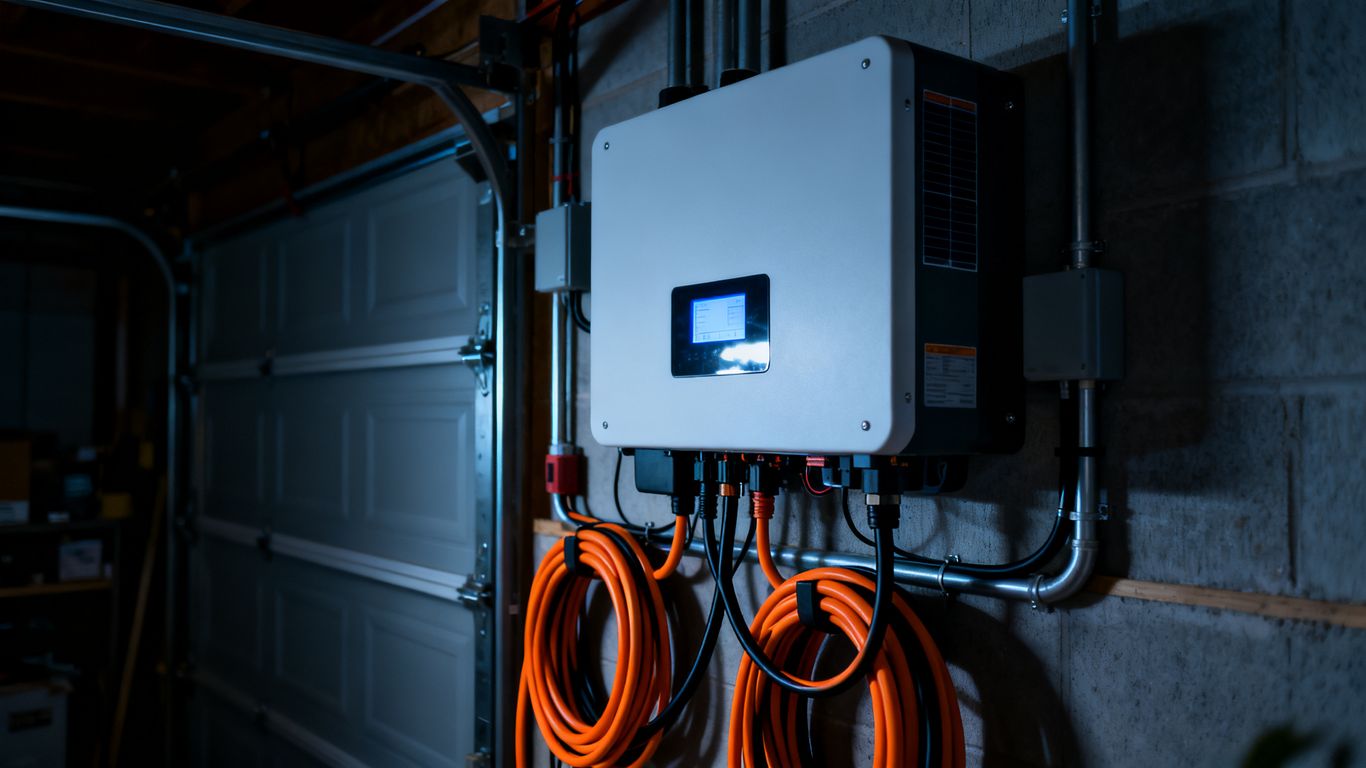
Connecting your storage unit requires a robust data link to ensure the inverter receives accurate state-of-charge data. Most modern installations rely on CAN Bus communication, which allows the energy management system to adjust output based on real-time household demand or grid parameters.
Setting up closed-loop communication
You can establish a closed-loop link to ensure your Freedom Won LiTE and eTower devices share data directly with your inverter hardware. This handshake process is critical for intelligent charging, allowing the battery to trigger full-charge states only when required and protecting it from inconsistent current signatures.
Handling multiple battery parallel connections
Expanding your capacity requires careful attention to parallel architecture to ensure the BMS of each unit remains synchronised. When you install additional cells, maintain uniform cable lengths to each unit to balance the resistance and keep the charge rates consistent across all modules in your stack.
Performance and charging behaviour
Optimal depth of discharge for longevity
Operating within recommended discharge limits significantly extends the lifespan of your lithium infrastructure. While the system handles deep cycling well, avoiding full depletion helps maintain capacity retention over many years of service.
Maintaining optimal temperature conditions ensures that your battery system achieves its full design life without unexpected capacity degradation in the long term.
Charging current limitations and recommendations
Adhering to the manufacturer recommended charge current ensures that you do not stress the internal cells during high-solar production periods. Follow these guidelines for performance management:
- Limit peak charge current to the rated capacity of the battery.
- Adjust inverter settings to respect the recommended C-rate.
- Periodically inspect the cable terminals for signs of heat stress.
- Ensure the BMS is updated to the latest available version.
Integrating these settings into your ZenSolar managed system simplifies long-term operations by keeping charging parameters within safe defined windows.
Responding to low-voltage disconnects
If the system hits a low-voltage threshold, the internal protection circuit will isolate the battery to prevent potential damage. It is a crucial indicator of consumption habits requiring immediate review of your load profile or a potential reduction in base-load usage during low-generation periods.
Monitoring and maintenance expectations
Interpreting status indicators and alarms
Your unit communicates its health through status LEDs that alert you to current operational modes and any active fault codes. Familiarity with these patterns aids in rapid diagnosis of any connectivity issues occurring between the storage rack and the inverter hardware.
Remote monitoring and firmware updates
Remote interfaces provided by most modern inverters allow you to keep an eye on your storage health from your smartphone or laptop. Regularly checking for firmware updates via these platforms is standard practice to ensure you benefit from the latest efficiency improvements and bug fixes provided by the manufacturer.
Long-term health checks for lithium infrastructure
You should perform a professional site assessment annually to inspect the mechanical integrity of your mounting systems and the security of your electrical connections. This prevents the emergence of hidden resistance issues that otherwise might lead to increased operating temperatures over several years.
How the eTower compares to Fox ESS and Sigenergy storage
ZenSolar fits two brands and no others: Fox ESS and Sigenergy. Since that narrows what we can offer you, it deserves explaining rather than asserting.
First, what Freedom Won genuinely does well. Freedom Won builds in South Africa. That is a real advantage no imported brand can simply claim away: spares are held locally, lead times are not hostage to a shipping schedule, and there is a local entity accountable for the product. The eTower has a long track record in South African homes and we would not tell you otherwise.
Where our two brands make a different argument. The case is not that the hardware above is bad. It is about what happens in years three to ten, which is where energy systems actually disappoint people.
One platform from a small house to a commercial site. The expensive mistake in home energy is outgrowing your ecosystem. Add a heat pump, a pool, an EV charger or a home office two years after commissioning and scaling often means changing brand — which means changing inverter, app and support channel at the same time. Fox ESS and Sigenergy both run continuous product families from single-phase residential through to three-phase commercial and industrial, so growth stays a capacity decision rather than a replacement decision.
Sigenergy is integrated rather than assembled. The SigenStor stack combines PV inversion, battery storage, system control and DC EV charging in one modular unit instead of four separately sourced boxes with four warranty conversations behind them. When something needs attention there is one manufacturer accountable for it. Most storage complaints turn out to be support complaints rather than hardware complaints, and this is the part that addresses them.
The warranty is written down, and we will show you the document. Sigenergy’s published warranty terms carry a 10-year period on the Sigen Battery and the Sigen Energy Controller, with the battery guaranteed to retain at least 60% of its usable capacity at 10 years, or a stated energy-throughput limit, whichever is reached first — extendable to 15 years if the system is purchased and registered within 12 months of commissioning. We quote those figures because we can point at the document they come from. Ask whoever else is quoting you to do the same; what happens next is informative.
Fox ESS is the volume-sensible half of the pair. Fox ESS sits behind Tsingshan Group and builds modular, stackable storage designed to be added to rather than replaced, across both single-phase and three-phase inverters. Where Sigenergy is the integrated premium answer, Fox ESS puts a well-specified system on a normal budget without dropping into the price tier where support quietly vanishes.
Whichever you choose, one thing decides more than the badge: every system we fit goes in through a manufacturer-approved installer, because that is what keeps the warranty valid on the day you need to use it. A warranty voided by an unapproved installation is worth exactly nothing, and that is true of every brand on this page.
Conclusion
Storage puts you in charge of your energy costs and reduces your exposure to rising tariffs. Strict installation standards and sensible maintenance are what deliver the reliable performance and payback that make the investment worthwhile — and that is true of the eTower as much as anything else.
We fit Fox ESS and Sigenergy rather than Freedom Won, and the reason is documentation and continuity rather than any complaint about the hardware: we can put the warranty terms in front of you before you sign, a single manufacturer stays accountable for the inverter and the battery together, and the same platform carries you from a 5kWh starter bank to a commercial installation without changing ecosystem.
Frequently Asked Questions
Can I install these batteries outside?
It is not recommended to install these units outdoors as exposure to excessive moisture, dust, or extreme fluctuating temperatures will degrade the internal components and void standard warranties.
Is the battery compatible with all hybrid inverters?
While they are compatible with a wide range of leading inverter brands, you must ensure your chosen model supports the specific CAN communication protocol required for seamless data exchange.
How does the battery behave in high heat?
Lithium cells are sensitive to heat and will trigger thermal protections if environmental conditions exceed maximum operating temperatures, which can lead to reduced performance or system shutdowns.
What happens when the battery reaches 0%?
The internal management system will automatically disconnect the battery from the inverter before it hits a level that would cause permanent chemical damage to the cells.
Can I mix older and newer battery modules?
Mixing modules of different ages or specifications is generally discouraged because the BMS requires balanced capacity across all units to effectively distribute the load and charge current.
Who should perform the initial installation?
A qualified electrician or accredited solar technician is required to perform the installation to ensure compliance with local electrical safety regulations and for valid insurance cover.
How long will the system last?
Under normal operating conditions and within recommended charge-discharge limits, these systems are designed to provide many years of service before the total extractable capacity begins to decline significantly.
Ready to take the next step with solar?
Speak to the ZenSolar team about the right system for your home or business — every system we sell is installed and supported through our manufacturer-approved installers.