
Ever thought about going solar but felt like it was too expensive? Well, good news! The South African government has some cool programs to help make solar power more affordable. We’re talking about special rebates that can really cut down the cost of getting solar panels for your place. This guide will walk you through how these solar systems with government rebates in South Africa work, who can get them, and how they can save you money in the long run. It’s a pretty sweet deal, especially with electricity prices always going up. So, let’s check out how you can jump on this opportunity.

Key Takeaways

  • The South African government offers rebates to help people switch to solar energy.
  • Homeowners can get a 25% rebate on their solar system cost, up to R15,000.
  • This rebate is only available briefly, so it’s smart to act fast.
  • Solar panels can help you save a lot on your electricity bills over time.
  • Going solar helps the environment and makes you less dependent on the main power grid.

Understanding Solar Systems With Government Rebates South Africa

What Are Solar Rebates?

So, you’re thinking about solar? Cool! Let’s talk rebates. Basically, solar rebates are like a helping hand from the South African government to get more people using solar energy. They give homeowners and businesses some money back on the cost of installing solar panels. Think of it as a discount to make going solar more affordable. It’s a win-win: you save money, and the country gets greener.

How Rebates Reduce Your Costs

Okay, so how do these rebates actually help your wallet? Well, the big thing is they lower the initial cost of getting a solar system. Let’s say you’re looking at a system that costs R60,000. With the solar rebate, you could get 25% back, up to a maximum of R15,000. That brings your upfront cost down to R45,000! Plus, once your system is up and running, you’ll see a drop in your monthly electricity bills. It’s like getting paid to save the planet.

Limited-Time Opportunity

Here’s the catch: this sweet deal isn’t going to last forever. The government’s offering these rebates for a limited time, so you need to act fast if you want to take advantage. It’s like a flash sale, but for clean energy! Don’t wait until the last minute, or you might miss out on some serious savings. Seriously, start looking into solar systems now.

Think of it this way: the government is basically giving you free money to switch to solar. It’s a great way to reduce your carbon footprint, save money on your electricity bills, and increase the value of your home. What’s not to love?

Eligibility For Solar Systems With Government Rebates South Africa

Qualifying Conditions For Homeowners

First off, this rebate is generally aimed at homeowners. Renters might be able to benefit in some situations, but it’s usually the property owner who gets to claim the rebate. Also, the home needs to be primarily used for living. You can’t claim the rebate for a holiday home that you only visit once a year.

Here’s a quick rundown:

  • You must be the homeowner (or have the homeowner’s permission, in some cases).
  • The property must be your primary residence.
  • The installation needs to meet certain safety standards (more on that later).

It’s important to remember that these rebates are designed to encourage the adoption of renewable energy. The government wants to make solar power more accessible, but they also want to ensure that the system is fair and that the money is being used effectively.

Requirements For Solar Panel Specifications

Okay, so you’re a homeowner, and you’re ready to go solar. Great! But hold on a second – not just any solar panel will do. The government has some specific requirements for the panels themselves to make sure they’re up to scratch. The solar panels must meet a certain power level.

Think of it this way: they want to make sure you’re investing in quality equipment that will actually make a difference to your energy consumption.

Here’s what you need to keep in mind:

  • Minimum wattage per panel: There’s usually a minimum wattage requirement (like 275W per panel). This ensures the panels are efficient enough to qualify.
  • SABS certification: The panels should ideally have certification from the South African Bureau of Standards (SABS) or an equivalent body. This shows they’ve been tested and meet safety and performance standards.
  • Grid connection: The system usually needs to be connected to the grid. This allows you to feed excess energy back into the grid and potentially earn credits.

Importance Of New And Unused Panels

This might seem obvious, but it’s worth spelling out: to qualify for the government rebate, the solar panels you install must be brand new and unused. You can’t claim a rebate on second-hand panels, no matter how good a deal you think you’re getting.

Why is this so important? Well, for a few reasons:

  1. Quality assurance: New panels come with warranties and guarantees, giving you peace of mind that they’ll perform as expected.
  2. Performance: Used panels might have degraded performance, meaning they won’t generate as much electricity as new ones.
  3. Fairness: The rebate is intended to encourage investment in new, high-quality solar technology, not to subsidize the resale of old equipment.

So, when you’re shopping around for solar panels, make sure you’re buying them from a reputable supplier and that they’re guaranteed to be brand new. It’s a small detail that can make a big difference to your eligibility for the rebate. You’ll also need an electrical safety certificate. The installation must be at a home used mainly for living and be connected to the grid. Lastly, you need a detailed invoice and payment proof to claim your rebate.

Financial Benefits Of Solar Systems With Government Rebates South Africa

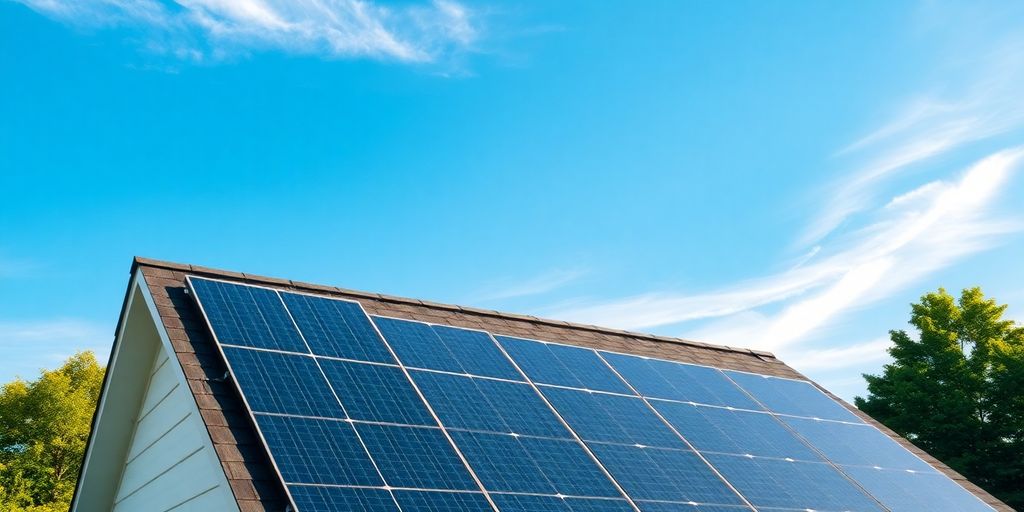
Solar panels on a rooftop with a sunny sky.

Significant Savings On Electricity Bills

Switching to solar power with government rebates can seriously cut down your electricity costs. Think about it: you’re making your own power! This means less reliance on the grid and way smaller bills each month. The savings can be pretty substantial, especially during those peak usage times.

  • Reduced monthly expenses
  • Less dependence on Eskom
  • Protection from rising electricity prices

Tax Rebate Details And Limits

Item

Detail


Rebate Percentage

25%


Maximum Rebate Amount

R15,000


Qualifying Period

Limited Time (check current regulations)


Long-Term Financial Advantages

Going solar isn’t just about short-term savings; it’s a long-term investment. Sure, there’s an initial cost, but over time, you’ll see some serious financial benefits. Solar panels can last for decades, and with reduced electricity bills and potential increases to your property value, it’s a smart move. Plus, you’re less vulnerable to those unpredictable electricity price hikes.

  • Increased property value
  • Long lifespan of solar panels
  • Reduced vulnerability to electricity price increases

Investing in solar power is like planting a tree. You might not see the immediate benefits, but over time, it grows and provides shade (or, in this case, savings) for years to come. It’s a decision that benefits both your wallet and the environment.

Financing Your Solar System In South Africa

Banks Offering Renewable Energy Loans

Several banks in South Africa are stepping up to help homeowners finance their solar dreams. You’ve got options like First National Bank, RMB Private Bank, and Standard Bank, among others. These banks recognize the growing importance of renewable energy and have tailored loan products specifically for solar installations.

Each bank has its own set of terms and conditions, so it’s important to shop around and compare what’s on the table. Things to consider include interest rates, repayment periods, and any associated fees. Don’t be afraid to ask questions and get a clear understanding of what you’re signing up for. Working with these banks makes going solar a more achievable goal for many South Africans.

Comparing Financing Options

Choosing the right financing option for your solar system can feel overwhelming, but breaking it down into key considerations makes the process easier. Here’s what to keep in mind:

  • Interest Rates: Compare interest rates from different banks to secure the most favorable deal. Even a small difference in the rate can save you a significant amount over the loan term.
  • Repayment Plans: Look for payment plans that align with your budget and financial goals. Consider the length of the repayment period and how it impacts your monthly payments.
  • Fees and Charges: Be aware of any additional fees, such as setup or administrative costs. These can add to the overall cost of the loan.
  • Customer Support: Evaluate the quality of customer support offered by each bank. You want to ensure you have access to assistance when you need it.

Financing your solar system is a big decision, so take your time to explore all available options. Don’t hesitate to seek advice from financial professionals or solar experts to help you make an informed choice.

Understanding Loan-To-Value Ratios

Loan-to-value (LTV) ratios play a significant role in securing financing for your solar system. LTV represents the amount of the loan compared to the value of the asset being financed – in this case, your home. Banks use LTV to assess the risk associated with the loan. A lower LTV generally indicates a lower risk for the lender, which can translate to more favorable loan terms for you.

When applying for a solar loan, the bank might ask for a quote from a solar company to estimate the installation cost. This helps them determine the loan amount you’ll need. In some cases, they may wait to disburse the funds until the loan is legally registered, ensuring the money is used specifically for the solar setup right away. Understanding LTV ratios can help you better prepare for the financing process and potentially negotiate better loan terms.

Practical Steps To Install Solar Systems With Government Rebates South Africa

Assessing Your Energy Needs

Before you even think about panels, take a good look at how much electricity you’re actually using. This will help you figure out the right size system for your home. Check your past electricity bills to see your average monthly usage. Think about any changes coming up, like adding appliances or having more people living in your house. Getting this right from the start will save you money and headaches later on.

Choosing High-Quality Equipment

Don’t skimp on the important stuff! The panels, inverter, and batteries are the heart of your solar system. Do your research and pick brands known for being reliable and having good warranties. A slightly higher upfront cost for better equipment can mean fewer problems and long-term savings. Here’s a quick rundown:

  • Solar Panels: Look for high efficiency and good temperature coefficients.
  • Inverter: Choose a reliable brand with a warranty that covers the expected lifespan of your system.
  • Batteries (if applicable): Consider lithium-ion for better performance and lifespan.

Hiring Reputable Installers

This is where you really need to do your homework. A bad installation can ruin even the best equipment. Get quotes from at least three different installers and check their references. Make sure they’re licensed and insured. Ask about their experience with solar rebate programs and if they can help you with the paperwork.

Transitioning to solar power is an investment in a cleaner, sustainable future. By following these practical tips, you can make a smooth and successful transition. This decision is good for your finances and for the planet.

Maximizing Your Investment In Solar Systems With Government Rebates South Africa

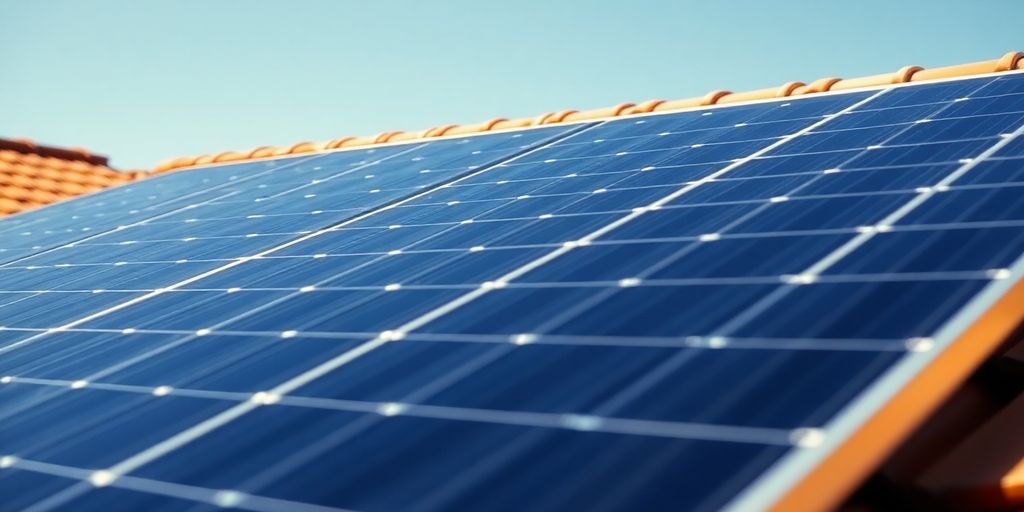
Solar panels on a South African home.

Staying Informed About Incentives

To really get the most out of your solar investment, you need to stay on top of the latest incentives. Government policies can change, and new programs might pop up that offer even better deals. Keep an eye on official government websites and energy-related news. It’s also a good idea to sign up for newsletters from reputable solar energy organizations. This way, you’ll be among the first to know about any updates or changes that could affect your solar panel tax rebate

Consulting With Solar Experts

Talking to solar professionals is a smart move. They can give you personalized advice based on your specific situation. Here’s why it’s helpful:

  • System Optimization: Experts can assess your energy needs and recommend the best system size and configuration.
  • Rebate Navigation: They understand the ins and outs of the rebate process and can help you with the paperwork.
  • Long-Term Planning: They can help you plan for future energy needs and potential upgrades.

Contributing To A Greener Future

Investing in solar isn’t just about saving money; it’s also about making a positive impact on the environment. By switching to solar, you’re reducing your carbon footprint and helping to create a more sustainable future. It’s a win-win situation – you save money on electricity bills, and you’re doing your part to protect the planet. Plus, you’re contributing to South Africa’s solar power surge

Think of it this way: every solar panel you install is a small step towards a cleaner, healthier environment for everyone. It’s an investment in the future, not just for yourself, but for generations to come.

Wrapping Things Up

So, there you have it. Going solar in South Africa isn’t just some far-off dream anymore; it’s totally doable, especially with the government throwing in those rebates. You can really cut down on your electricity bills, which is a huge win for your wallet. Plus, you’re doing your part for the planet, which feels pretty good. With all the financing options out there, getting solar panels is more within reach than ever. It’s a smart move for your home and for a greener future. Why not look into it?

Frequently Asked Questions

What are solar rebates, and how can they help me save on energy costs in South Africa?

Solar rebates are special offers from the South African government to help people pay for solar panels. They give you a discount on the cost, which makes it cheaper to switch to solar energy. This helps you save money on your electricity bills over time.

How do I qualify for the solar panel tax rebate in South Africa?

To get the solar panel tax rebate, your solar panels must be brand new and unused. They also need to be strong enough, at least 275 watts per panel. This rule makes sure the panels are good quality and will work well.

Can solar energy help reduce my electricity bill?

Yes, solar energy can greatly lower your electricity bill. When you use solar panels, you don’t need to buy as much power from the regular electricity company. This means you’ll see your monthly bills go down, saving you money.

How much does a solar panel system cost after the rebate?

The cost of solar panels changes, but the government’s rebate helps a lot. You can get 25% back on your solar system, up to R15,000. To know the exact price for your home, it’s best to talk to a trusted solar company.

Are there any government incentives for solar energy in South Africa?

Yes, the government has several programs to help with solar power. Besides the tax rebate for homeowners, there are also tax benefits for businesses and special programs that support big solar projects.

Which banks offer financing for solar panel installations in South Africa?

Many banks in South Africa offer loans specifically for solar energy systems. Banks like First National Bank, RMB Private Bank, and Standard Bank have options. It’s smart to compare their interest rates and payment plans to find the best fit for you.

Zensolar

Commercial and residential solar specialists

We help South African families and businesses break free from rising electricity costs with custom solar solutions that can cut your bills by up to 92% from day one. From consultation to installation, we make going solar simple so you can enjoy energy independence and predictable monthly savings In Gauteng, NW, Cape town and KZN

Address

51 Gustav Preller Str, Vorna Valley, Midrand.

Phone

+27 11 045 9062