
Thinking about getting solar panels for your home but worried about the big upfront cost? You might have heard about renting solar systems, also known as leasing. It’s a way to get clean energy without buying the whole setup. But is it the right move for you? We’ll break down what it means to rent solar panels, the good and the bad, and what you can expect to pay. Let’s figure out if leasing solar is a good fit for your home.
Key Takeaways
Renting a solar system means a company installs panels on your roof, owns them, and you pay a monthly fee to use the energy they produce. It’s a way to go solar without the large initial expense.
The main perk of renting is avoiding upfront costs. You also typically don’t have to worry about maintenance or repairs, as the company that owns the system handles that.
A big downside is that you won’t get to claim any government tax incentives, since the system owner does. This can mean less overall savings compared to buying.
Monthly payments for a solar lease can range from R1,500 to R3,000, but this varies based on system size and provider. You’ll also want to understand if you’re looking at a lease or a Power Purchase Agreement (PPA).
When it’s time to sell your home, leased solar panels can complicate the process. Buyers usually need to take over the lease, which can be a hurdle, and the system doesn’t add to your home’s value like owned panels would.
Understanding Solar System Rentals
What Does It Mean to Rent a Solar System?
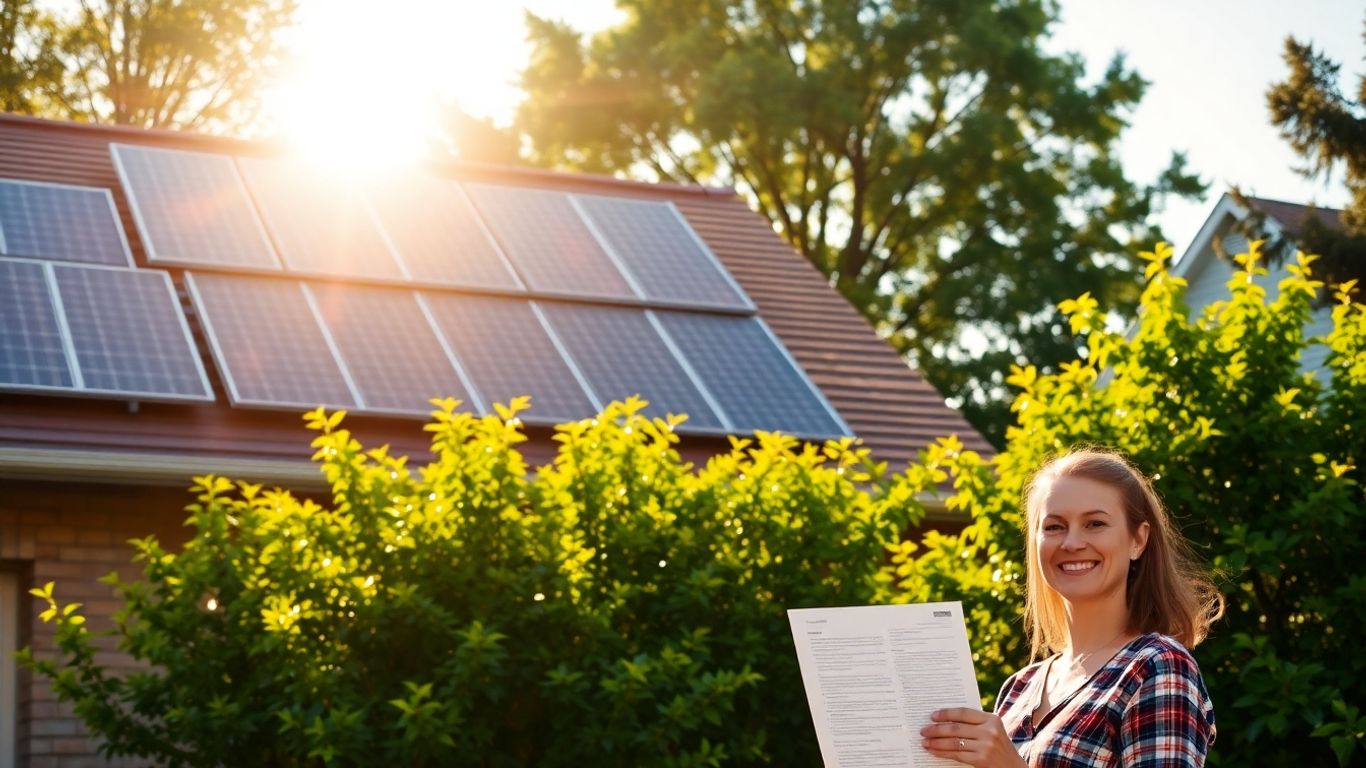
So, you’re thinking about getting solar panels but the idea of paying a huge chunk of cash upfront makes your eyes water? Renting, or leasing, a solar system might be your ticket to cleaner energy without the big initial investment. Basically, a solar company installs and owns the panels on your roof, and you pay them a monthly fee to use the electricity the panels generate. It’s a bit like leasing a car – you get to use it, but you don’t own it. This setup means you can start saving on your electricity bills right away, often paying less than you did before, all while using power generated from the sun.
Key Differences Between Renting and Buying
When you compare renting to buying a solar system, the biggest difference is ownership. Buying means you pay for the whole system, and it’s yours. This gives you full control and the potential for the most savings over the long haul. You’re also the one who could claim any tax incentives available, which can help lower your initial cost. Renting, on the other hand, means you don’t own the equipment. The solar company owns it, installs it, and maintains it. You pay a monthly fee, which is usually lower than buying, and you don’t have to worry about repairs or upkeep. However, you miss out on any tax incentives that might apply, and the long-term savings aren’t as substantial as owning.
Here’s a quick rundown:
Ownership: Buying = You own it. Renting = The company owns it.
Upfront Cost: Buying = High. Renting = Low or none.
Maintenance: Buying = Your responsibility. Renting = Company’s responsibility.
Incentives: Buying = You get them. Renting = Company gets them.
Long-Term Savings: Buying = Potentially higher. Renting = Generally lower.
Who Benefits Most from Renting Solar?
Renting a solar system is often a great fit for homeowners who want to go solar but can’t afford the large upfront cost of buying. If you plan to stay in your home for a shorter period, renting can also be appealing because you avoid the hassle of selling a system when you move. It’s also ideal for people who don’t want the responsibility of maintaining the equipment. Essentially, if your priority is immediate access to solar energy and predictable monthly costs without the ownership burden, renting could be the way to go.
Renting solar panels lowers the barrier to entry for homeowners eager to adopt renewable energy. It shifts the financial risk and maintenance responsibilities to the solar provider, making it an attractive option for those who prefer predictable expenses over potential long-term ownership benefits and the complexities that come with it.
Advantages of Renting a Solar System
Renting a solar system, often called a solar lease, can feel like a really good deal, especially when you look at the price tag of buying one outright. It’s like getting a new gadget without having to shell out all the cash upfront. This approach opens the door to clean energy for a lot more people who might otherwise be priced out.
Eliminating Upfront Installation Costs
This is probably the biggest draw for most folks. Buying solar panels means you’re looking at a pretty hefty initial investment. We’re talking thousands of rands, depending on your home’s size and energy needs. With a rental agreement, that big cost just disappears. The company installing the panels covers all the expenses. You just sign on the dotted line and they do the work. It makes going solar feel way more accessible, kind of like how leasing a car lets you drive a new model without the full purchase price. This option allows homeowners to benefit from solar energy without the upfront costs associated with owning the system. solar leases offer maximum capital flexibility.
No Responsibility for Maintenance and Repairs
Another huge plus? You don’t have to worry about what happens if something breaks. When you rent, the solar company owns the equipment, so they’re on the hook for any upkeep. This means if a panel stops working or the inverter needs a fix, it’s their problem, not yours. They’ll send out a technician to sort it out, usually at no extra charge to you. This takes a big load off your mind, especially if you’re not exactly Mr. or Ms. Fix-it around the house. It’s one less thing to stress about.
Simplified Access to Clean Energy
Basically, renting makes it super easy to start using solar power. You get the benefits of generating your own clean electricity and potentially lowering your energy bills, all without the hassle of ownership. It’s a straightforward way to reduce your carbon footprint and tap into renewable energy. You get predictable monthly payments, which can be a relief compared to fluctuating utility bills.
No large initial payment: You avoid the significant upfront cost of purchasing a system.
Maintenance included: The rental company handles repairs and upkeep.
Predictable monthly costs: Your lease payment is usually fixed.
Immediate savings: You can start seeing lower electricity bills right away.
Renting solar panels can be a smart move if you want to go green without a big financial commitment. It’s a way to get into solar energy quickly and easily, letting you enjoy the benefits without the ownership headaches. Just remember to read the contract carefully to know exactly what you’re signing up for.
Potential Drawbacks of Renting Solar
While renting a solar system sounds pretty sweet, especially with no big upfront cost, there are definitely some downsides to think about before you sign on the dotted line. It’s not all sunshine and rainbows, you know?
Reduced Long-Term Financial Savings
This is a big one. When you rent, you’re essentially paying a monthly fee to use someone else’s equipment. Over the years, those payments add up. While you might see some savings on your electricity bill compared to what you were paying before, you’re not building equity in the system. Owning the system outright means all the energy it produces after you’ve paid it off is essentially free.<\/strong> With a rental, you’re always paying. It’s like renting an apartment versus owning a house; you’re always making payments, but you never own the asset. This means the total amount you spend over the life of the lease could end up being more than if you had bought the system initially. You can check out solar panel leasing options to see how payments work.
Ineligibility for Incentives
Any government incentives or rebates for going solar are generally tied to ownership. Since the solar company owns the system when you rent, they would be the one eligible, not you. It’s like getting a discount on a purchase, but the discount goes to the rental company instead of you. This can affect the overall financial benefit of going solar.
Complications When Selling Your Home
This is where things can get really sticky. If you decide to sell your house while you have a solar lease, the new buyer usually has to take over the lease agreement. This can be a major hurdle. Not everyone wants to take on a long-term contract, and some buyers might not even qualify to assume the lease. It can add a layer of complexity to the home selling process that you just don’t have if you own the system. Sometimes, you might even have to pay off the remaining lease balance in full before you can close the sale, which can be a hefty, unexpected expense. It’s definitely something to consider if you plan on moving in the next 10-20 years.
Here’s a quick rundown of what to keep in mind:
Contract Length: Leases are typically long-term, often 20-25 years. Breaking them can be costly.
System Performance: While the company is responsible for maintenance, the quality of that maintenance can vary. If the system isn’t producing as much power as expected due to poor upkeep, you’re still on the hook for the monthly payments.
No Home Value Increase: Unlike owned solar systems, leased panels generally don’t add value to your home’s resale price.
Renting solar panels means you’re paying for the use of energy generated by a system you don’t own. While it lowers your immediate electricity costs and avoids upfront expenses, it means forfeiting potential long-term savings, tax benefits, and the added value that solar ownership brings to a property. It also introduces potential complications when it’s time to sell your home, as the lease agreement must be transferred to the new owner.
Costs Associated with Renting Solar
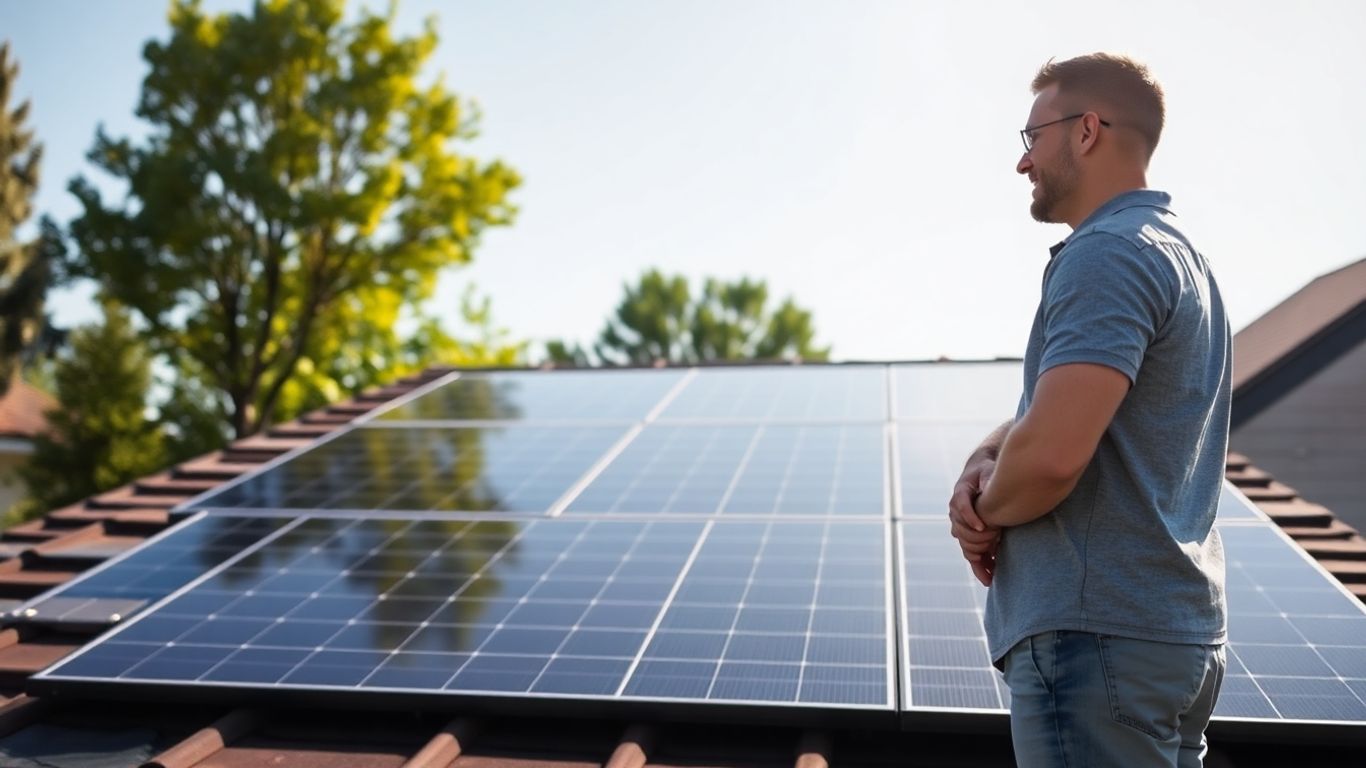
When you rent a solar system, you’re essentially paying for the use of the equipment and the energy it produces without the headache of ownership. This usually comes in two main flavors: a monthly lease payment or a Power Purchase Agreement (PPA). It’s not like buying a car where you know the exact sticker price; with solar rentals, the costs can be a bit more fluid.
Typical Monthly Lease Payments
Think of a solar lease like renting an apartment. You pay a set amount each month to use the system installed on your roof. These payments are generally fixed for the duration of your contract, which can be anywhere from 15 to 25 years. While this predictability is nice, the amount can vary quite a bit. Factors like the size of the system needed for your home, the specific company you go with, and even your credit score can influence the monthly cost. Generally, you might see monthly lease payments ranging from R1,500 to R3,000, but it’s really important to get personalized quotes.
Understanding Power Purchase Agreements (PPAs)
A Power Purchase Agreement, or PPA, is a little different. Instead of paying a flat monthly fee to lease the panels, you pay for the actual electricity the system generates. The solar company still owns and maintains the system, but your bill is based on how much power your panels produce and how much you use. This can be a good option if you want to lock in electricity rates and protect yourself from rising utility costs. The rate you pay per kilowatt-hour (kWh) is usually set in the contract and might increase slightly each year, but often less than traditional utility rate hikes. It’s a way to benefit from solar energy without the upfront investment or the fixed monthly lease payment.
Factors Influencing Rental Pricing
So, what makes one rental deal more expensive than another? Several things come into play.
System Size: Bigger homes or those with higher electricity usage will need larger systems, which naturally cost more to install and therefore have higher rental fees.
Equipment Quality: Just like with any product, there are different tiers of solar panels and inverters. Higher-quality equipment might come with a slightly higher rental price but could also perform better.
Contract Length: Longer lease terms might sometimes come with lower monthly payments, but you’re committed for a longer period.
Installer Reputation and Warranties: Companies with strong warranties and a good track record might charge a bit more, but this can offer peace of mind.
Local Permitting Fees: While the rental company usually handles this, the cost of getting the necessary permits, which can range from R1,000 to R7,000 depending on your location, is factored into the overall price permitting fees.
It’s easy to get caught up in the monthly payment number, but remember to look at the total cost over the life of the contract. A slightly higher monthly payment now might end up being cheaper in the long run if it means you’re getting a better system or a more favorable electricity rate.
When you’re comparing offers, make sure you’re comparing apples to apples. Ask for a breakdown of all costs, understand what’s included in maintenance, and be clear on how your payments might change over time. This way, you can make sure you’re getting a good deal for your specific situation.
Navigating the Solar Rental Process
So, you’re thinking about renting solar panels instead of buying them. That’s cool, it can be a way to get into solar without a big upfront cost. But like anything, there are steps to take and things to figure out. It’s not just a simple ‘sign here and you’re done’ kind of deal.
Finding and Contacting Solar Installers
First off, you need to find companies that actually offer solar rentals or leases in your area. A quick online search is usually the best place to start. Look for companies that specifically mention ‘solar leases’ or ‘power purchase agreements’ (PPAs). Don’t just assume every solar company does rentals; some only sell systems.
When you find a few, reach out. You’ll want to get quotes from at least two or three different places. This isn’t just about comparing prices, though that’s a big part of it. You’re also getting a feel for how they operate and how well they explain things. Ask them about:
Their experience with rental agreements.
The typical length of their contracts.
What their maintenance and repair policies are.
How they handle system upgrades or issues.
It’s a good idea to have a basic understanding of your home’s energy usage too. Most companies will ask for your past electricity bills to help them size the system correctly and estimate your savings.
Evaluating Lease vs. PPA Options
When you’re looking at rental options, you’ll likely run into two main types: leases and Power Purchase Agreements (PPAs). They sound similar, and in some ways, they are, but there are key differences.
Solar Lease: With a lease, you pay a fixed monthly fee to use the solar panels installed on your roof. You don’t own the system, but you’re essentially renting the equipment. The company that owns the panels is responsible for maintenance.
Power Purchase Agreement (PPA): A PPA is a bit different. Instead of paying a flat monthly fee for the panels, you pay for the actual electricity the panels produce. The rate is usually set upfront and is often lower than what you’d pay your utility company. Again, the PPA provider owns and maintains the system.
Here’s a quick rundown to help you see the differences
Feature | Solar Lease | Power Purchase Agreement (PPA) | |||||||||
|---|---|---|---|---|---|---|---|---|---|---|---|
What you pay for Use of the solar system Electricity generated Ownership Third-party company Third-party company Maintenance Included, handled by owner Included, handled by owner Savings Predictable monthly reduction Based on actual production
Think about which setup makes more sense for your budget and how you use electricity. If you want a predictable bill, a lease might be better. If you want to pay only for what you use and potentially save more when the sun is shining bright, a PPA could be the way to go. This is probably the most important part. Don’t just skim through the contract. Seriously, read every single word. Solar contracts can be long and full of legal stuff that’s hard to understand, but you need to know what you’re signing up for, especially since these agreements usually last 20 to 25 years Pay close attention to: Escalation Clause: This is super common. It means your monthly payment will go up a little bit each year. Find out what the percentage increase is. A high escalation rate can eat away at your savings over time. System Performance Guarantees: Does the contract guarantee a certain amount of energy production? What happens if the system doesn’t produce as much as promised? Who is responsible? Maintenance and Repair Responsibilities: Even though the company owns the system, make sure you understand exactly what maintenance is covered and what isn’t. What’s the process if something breaks? Contract Length and Termination: How long is the agreement? What are the penalties or costs if you need to end the contract early, especially if you decide to sell your house? Transferability: What happens if you sell your home? Can the new owner take over the lease or PPA? If not, what are your options for buying out the system or having it . It’s easy to get excited about saving money and going green, but a solar rental agreement is a significant financial commitment. Taking the time to understand all the details, asking lots of questions, and maybe even having a lawyer or a trusted advisor look it over can save you a lot of headaches down the road. Don’t be afraid to negotiate terms if something doesn’t feel right. Getting quotes and comparing offers is just the start. The real work comes in understanding the fine print before you commit. So, you’re thinking about solar, but should you buy it outright or rent it? It’s a big decision, and honestly, there’s no single right answer for everyone. It really boils down to what makes the most sense for your wallet and your future plans. Buying a solar system means you own it, plain and simple./ This usually involves a larger upfront cost, either paid in full or financed through a loan. But the upside is that you get to keep all the savings over the system’s lifespan, which can be 25 years or more. Plus, owning your system makes it easier to sell your home down the line, and you would be the one eligible to claim any tax incentives that apply. Any incentive that does apply can help knock down the initial price, but the rules and availability can change, so check what currently applies. On the flip side, renting, often through a lease or a Power Purchase Agreement (PPA), lets you get solar power with little to no upfront cash. You pay a monthly fee, and the company that owns the panels handles installation and maintenance. It’s a bit like leasing a car – you get to use it without the big purchase price. However, you won’t be eligible for any tax incentives, and selling your home can get a little more complicated because the new owner might have to take over your lease or you might have to buy it out early. Here’s a quick look at how they stack up: Ownership: Buying means you own the equipment. Renting means the solar company owns it. Upfront Costs: Buying typically requires a significant upfront payment or loan. Renting usually has little to no upfront cost. Long-Term Savings: Buying generally leads to greater savings over time, especially after any loan is paid off. Renting offers more predictable monthly costs but usually less overall savings. Maintenance:< When you buy, you’re responsible for upkeep. When you rent, the installer typically handles it. Incentives: Only system owners can claim any tax incentives that apply. The solar company gets them with rentals. The decision between buying and renting solar panels isn’t just about monthly payments; it’s about your long-term financial goals, your plans for staying in your home, and how much you value direct ownership versus convenience. It’s worth getting quotes for both options to see the numbers for yourself. When you’re comparing, think about how long you plan to stay in your home. If you’re planning to move in the next 5-10 years, a lease might seem simpler, but it can create hurdles. If you’re in it for the long haul and want to maximize your financial benefits, buying is usually the way to go. You can explore options for buying solar panels to get a better sense of the investment involved. Alright, so we’ve looked at the good and the not-so-good of renting solar panels. It really comes down to what works for you and your wallet. Renting can be a sweet deal if you want to go solar without a big upfront cost and don’t want to worry about upkeep. It’s a simpler way to get into clean energy. But, if you’re aiming to save the most money over the long haul, or if you plan on selling your house soon, buying might be the better move. Think about your budget, how long you plan to stay put, and what your main goals are. Getting a few quotes for both renting and buying will really help you see the numbers and make the choice that fits your life best. Renting a solar system, often called leasing, means a solar company puts panels on your roof. You use the power they make to lower your electricity bills, but the company owns the panels. You pay them a monthly fee to use their equipment and the clean energy it produces. Yes, renting is a great option if you want solar power but can’t afford the big cost of buying a system. Most rental plans require little to no money down, making clean energy more accessible for everyone. You don’t have to worry about that! When you rent, the solar company that owns the system is responsible for all maintenance and repairs. This means you can enjoy solar power without the hassle of fixing anything. Generally, no. Tax incentives and other government schemes are usually only open to whoever owns the solar system. Since the rental company owns the panels, they would be the one eligible, not you. Sometimes, they might pass on a small part of these savings through lower monthly payments. This can get a bit tricky. If you rent your solar panels, the new buyer usually has to agree to take over your rental contract. If they don’t, you might have to pay off the rest of the contract yourself, which can be expensive. Owning panels makes selling your home simpler. While renting can lower your monthly electricity bills, buying a solar system often leads to bigger savings over many years. With renting, you’re making monthly payments for the system’s use, whereas owning means you eventually pay off the system and then enjoy free electricity for the rest of its life. Commercial and residential solar specialists We help South African families and businesses break free from rising electricity costs with custom solar solutions that can cut your bills by up to 92% from day one. From consultation to installation, we make going solar simple so you can enjoy energy independence and predictable monthly savings In Gauteng, NW, Cape town and KZN 51 Gustav Preller St, Vorna Valley, Midrand. +27 11 045 9062 |