
Thinking about putting solar panels on your roof? That’s great! They can save you money on electricity bills and are good for the planet. But let’s be real, they cost a good chunk of change upfront. So, how do you pay for them? This article will walk you through the different ways to finance solar panels for your home, helping you figure out the best way to finance solar panels for your situation.
Key Takeaways
Paying cash for solar panels means you start saving money right away since there are no loan payments to worry about.
Solar loans, personal loans, and home equity options let you spread the cost over time, but you’ll pay interest.
Leasing or entering a Power Purchase Agreement (PPA) means you don’t own the panels but pay a set rate for the energy they produce.
Don’t forget to check for any government incentives or local rebates that may currently apply, which can help lower the overall cost.
When choosing how to finance solar panels, compare the total interest paid against your monthly payments and consider how the financing affects your home’s value.
Understanding Your Solar Financing Options
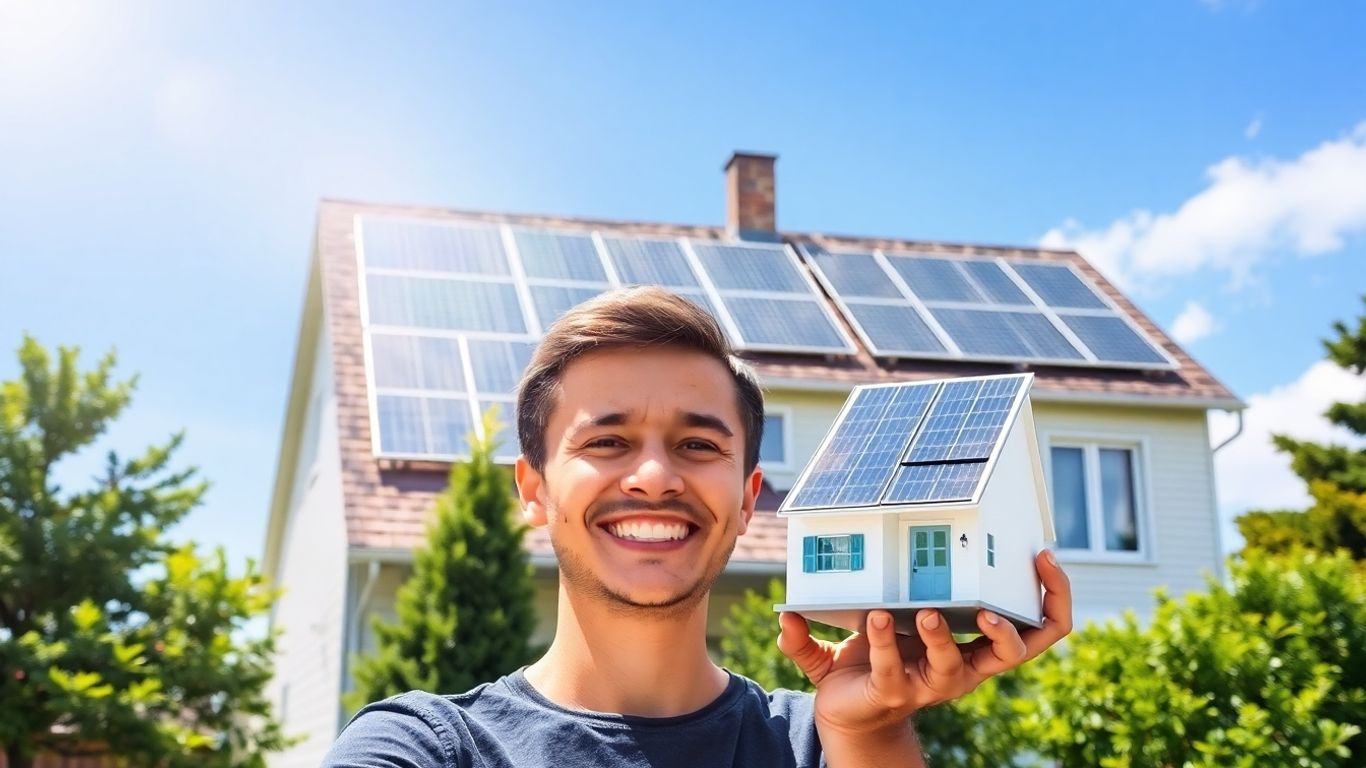
So, you’re thinking about going solar, which is awesome! But then comes the big question: how do you actually pay for it? The upfront cost can seem like a lot, no doubt about it. But don’t let that stop you, because there are actually quite a few ways to get those panels on your roof without emptying your bank account. It’s all about finding the method that fits your wallet and your long-term goals best.
Cash Purchase: The Most Direct Route
Buying your solar system outright with cash is, well, the most straightforward way to go. You pay the installer, the system is yours, and you start saving on electricity bills immediately. No interest, no monthly payments to a lender, just pure savings. Plus, you’re the one who could claim any tax incentives available, which can help knock down the overall cost. It’s a big chunk of money upfront, for sure, but if you’ve got the savings, it’s often the path that leads to the most savings over the life of the system.
Solar Loans: Borrowing for a Brighter Future
If paying cash isn’t in the cards right now, a solar loan is a super popular alternative. Basically, you borrow money specifically for your solar installation. You’ll have monthly payments, of course, and there will be interest involved, which means you’ll likely pay more overall than if you paid cash. But, it lets you get solar installed now and start saving on your electricity bills right away, often while your loan payments are still pretty manageable. It’s a good way to own your system outright without needing all the cash upfront.
Here’s a quick look at how loans stack up:
group
Feature | Cash Purchase | Solar Loan |
|---|---|---|
Upfront Cost | High | Low to Moderate |
Monthly Payments | None | Yes |
Total Interest Paid | None | Yes |
System Ownership | Immediate | Immediate |
Incentive Eligibility | Full | Full |
Leasing and Power Purchase Agreements (PPAs)
These are a bit different because you don’t actually own the solar panels. Instead, a third-party company owns and maintains the system on your roof. With a lease, you pay a fixed monthly fee to use the energy the panels produce. With a PPA, you pay for the electricity generated by the panels, usually at a rate lower than what your utility company charges. The big plus here is usually a very low or even R0 upfront cost, and you don’t have to worry about maintenance. The downside? You typically don’t get to claim any tax incentives, and it might not add as much value to your home when you sell it.
When you’re looking at financing, think about what matters most to you. Is it having the lowest monthly payment possible, or is it paying the least amount of interest over the entire time? Sometimes, a slightly higher monthly payment on a loan can mean way less interest paid down the road, which adds up to more savings for you.
Exploring Different Solar Loan Avenues
So, you’ve decided solar panels are the way to go, but the upfront cost still feels a bit much. That’s totally understandable. Luckily, there are several loan options out there that can help you get those panels on your roof without draining your savings account. Think of these loans as a way to spread out the cost over time, making it much more manageable. The key is finding a loan that fits your budget and financial goals.
Personal Loans for Solar Investments
Personal loans are a pretty straightforward option. You borrow a lump sum from a bank or credit union and pay it back in fixed monthly installments over a set period. These loans aren’t tied to your home, which can be a plus if you’re not looking to use your home as collateral. However, interest rates can sometimes be higher compared to loans secured by your property. It’s worth shopping around to see what rates you can get.
Home Equity Loans and Lines of Credit
If you own a home, you might have access to your home’s equity, which is the difference between your home’s value and what you owe on it. A home equity loan gives you a lump sum, while a home equity line of credit (HELOC) works more like a credit card, allowing you to draw funds as needed up to a certain limit. Both can offer lower interest rates because they’re secured by your home. Just remember, if you can’t make payments, your home could be at risk. It’s a big decision, so make sure you’re comfortable with the terms. You can often use these loans for solar panel financing
Credit Union Solar Loans
Credit unions can be a fantastic resource for solar loans. They often have more flexible terms and lower fees than big banks. Some credit unions even offer special solar loan programs with competitive interest rates. They might also provide temporary interest-free periods, sometimes called bridge loans, which can be helpful while you wait for any incentive payment to come through. It’s definitely worth checking with your local credit union to see what they offer.
Government-Backed Loan Programs
While not always direct solar loans, government programs can indirectly help. For instance, the Small Business Administration (SBA) offers loans that businesses can use for energy-efficient upgrades, including solar. These programs often come with favorable terms and lower interest rates, making them attractive for certain borrowers. Researching federal and state programs can uncover some great opportunities.
When comparing loan offers, pay close attention to the Annual Percentage Rate (APR), which includes interest and fees. Also, look at the total repayment period and any prepayment penalties. A lower monthly payment might sound good, but if it means paying significantly more interest over the life of the loan, it might not be the best deal in the long run.
Leveraging Incentives for Solar Financing
So, you’re thinking about solar panels, which is awesome! But that initial price tag can feel a bit much, right? Luckily, there are some really helpful incentives out there designed to make going solar much more affordable. Think of them as a little boost to help you get those panels on your roof.
Tax Incentives and Rebates in South Africa
South Africa offers several incentives to encourage the adoption of solar energy. For commercial installations, Tax Clause 12B
allows businesses to deduct the full cost of qualifying solar energy equipment from their taxable income in the year it is brought into use. This significantly reduces the upfront cost for businesses. For residential installations, while there isn’t a direct tax credit like in some other countries, homeowners can benefit from rebates offered by municipalities or Eskom, depending on the region and specific programmes available. It’s crucial to check with your local municipality and Eskom for the most current rebate information, as these can change.
Municipal and Eskom Rebates
Some municipalities in South Africa offer rebates or feed-in tariffs for solar energy generated and fed back into the grid. Eskom, the national power utility, also has programmes that may offer incentives or support for solar installations, particularly those that help alleviate grid strain. These programmes can vary, so it’s essential to consult directly with your local authority and Eskom for details on eligibility and application processes.
Other Potential Incentives
Beyond tax deductions and direct rebates, other financial mechanisms might be available. Some financial institutions offer specialised green financing options or loans with favourable interest rates for solar installations. Additionally, depending on your specific circumstances, there might be other provincial or sector-specific grants or subsidies. Always research thoroughly and consult with solar installers and financial advisors to understand all available options.
Remember, these incentives are designed to encourage solar adoption. They can significantly reduce the net cost of your solar system, making it a much more attractive investment. Always confirm the current terms and eligibility requirements for any incentive you plan to use, as they can be updated or expire.
Working with Solar Installers for Financing
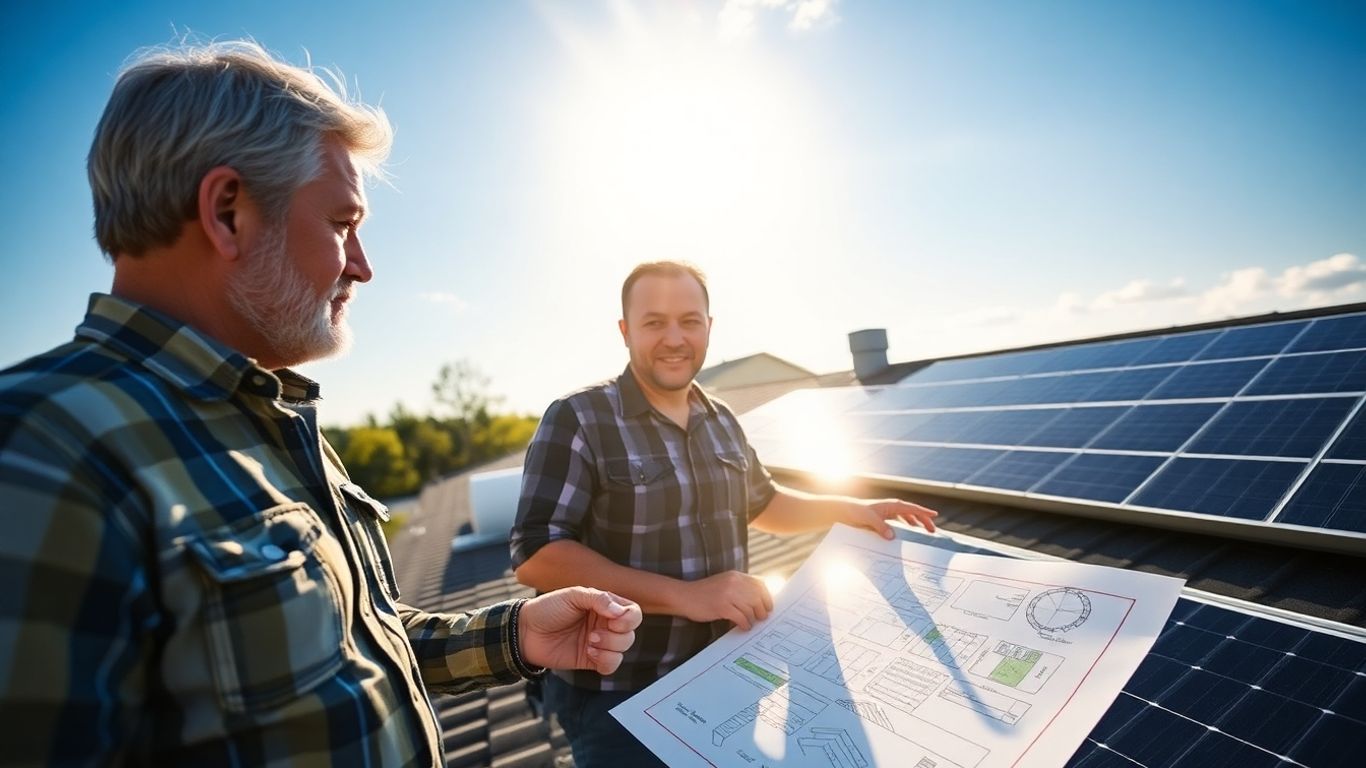
Installer-Provided Financing Options
When you’re ready to get solar panels, the company installing them can often be a great resource for figuring out the money side of things. Many installers have established relationships with lenders or even offer their own financing plans. This can simplify the process because you’re dealing with one main point of contact for both the installation and the loan.
Some larger solar companies have their own financing arms, meaning they can offer loans directly to you. Others partner with third-party lenders, often specializing in solar projects. These partnerships can lead to competitive rates and terms tailored for solar installations. It’s common for the application process to happen right there with the installer, sometimes even on a tablet during your initial consultation. This makes getting approved pretty quick.
- In-house financing: The installer’s own company provides the loan.
- Third-party partnerships: The installer works with banks or financial firms that specialize in solar loans.
- Streamlined applications: Often completed on-site, speeding up the approval process.>
Many installers work with a variety of finance companies. They might present you with a few options, and it’s your job to pick the one that makes the most sense for your budget and long-term goals. Don’t feel pressured to take the first offer you see.
Assistance with Incentive Applications
Beyond just financing, installers can be super helpful with navigating the world of solar incentives. This includes things like tax deductions, municipal rebates, and local programs. They usually have a good handle on what’s available in your area and can guide you through the paperwork. This can save you a lot of headaches and potentially put more money back in your pocket.
Evaluating Installer Financing Offers
While it’s convenient to get financing through your installer, it’s always smart to do your homework. Compare their offers to what you might find from your own bank, credit union, or other lenders. Look closely at the total interest you’ll pay over the life of the loan, not just the monthly payment. Sometimes, an installer’s offer might seem good upfront but could cost more in the long run. Make sure you understand all the fees involved. You can explore solar financing options for installers to see how they structure deals, which might give you a better idea of what to expect.
Here’s a quick comparison checklist:
group
Feature | Installer Offer> | Your Bank Credit Union | Other Lenders | Notes |
|---|---|---|---|---|
Interest Rate (APR) |
| Compare advertised vs. actual rate | ||
Loan Term |
|
|
| Shorter terms mean higher monthly payments |
Fees (Origination, etc.) |
| Factor these into the total cost> | ||
Prepayment Penalties |
| Can you pay it off early without penalty? | ||
Customer Service |
| How responsive are they if issues arise? |
Bundling Solar into Home Purchases
So, you’re buying a new house, or maybe you’re looking to refinance your current one? This can actually be a pretty good time to think about adding solar panels. Instead of getting a separate loan for your solar setup, you can sometimes roll the cost right into your mortgage. It’s like getting your solar panels and your new (or refinanced) home all financed together.
Renovation Loans for Solar Integration
If you’re buying a home that needs a little work, or if you’re planning some upgrades anyway, renovation loans are a great way to go. Loans like the Fannie Mae HomeStyle Renovation loan or the FHA 203(k) loan are designed for this. They let you borrow money not just for the house itself, but also for approved improvements, and solar panels can often be included in that list. This can sometimes be simpler than trying to get a separate loan just for the solar.
Here’s a quick look at how these loans work:
Purpose: Fund both the purchase of a home and its renovation or upgrades.
Solar Inclusion: Allows for the cost of solar panel installation to be part of the total loan amount.
Qualification: May be more accessible than other types of loans, especially if you’re already buying or refinancing.
Refinancing with Solar Additions
Don’t own a home yet, or maybe you already own one and want to add solar? Refinancing your existing mortgage is another avenue. When you refinance, you’re essentially taking out a new mortgage to pay off your old one, often with different terms. If you’re looking to add solar, you can sometimes increase the loan amount to cover the cost of the panels. This means you’re paying for your solar system over the long term, spread out with your mortgage payments.
Think about it this way:
Existing Mortgage: You have a current home loan.
Refinance Opportunity : You can get a new mortgage.
Solar Integration: You can increase the new mortgage amount to include the solar panel costs.
This approach can make a significant solar investment feel more manageable by incorporating it into your existing housing payment structure. It’s a way to get the benefits of solar without a huge upfront cash outlay, especially if you’re already going through the mortgage process.
Key Considerations for the Best Way to Finance Solar Panels
So, you’re thinking about solar panels. That’s great! But before you sign on the dotted line for any loan or lease, let’s talk about a few things you’ll want to keep in mind. It’s not just about getting the panels on your roof; it’s about making sure the financing makes sense for your wallet in the long run.
Total Interest Paid vs. Monthly Payments
This is a big one. You might see a loan with a super low monthly payment, and that sounds appealing, right? But what’s the catch? Often, a lower monthly payment means a longer loan term, and that can add up to a lot more interest paid over time. On the flip side, a higher monthly payment might mean you pay off the loan faster and save a bundle on interest. It’s a balancing act. You need to figure out what monthly payment fits your budget without costing you a fortune in interest down the road. The goal is to minimize the total cost of your solar investment.
Loan Repayment Terms
Speaking of terms, how long are you signing up for? A shorter loan term means you’ll own your solar system outright sooner, and your electricity bills will be purely savings after it’s paid off. But, as we just saw, shorter terms usually mean higher monthly payments. A longer term makes those monthly payments more manageable, but you’ll be paying interest for a longer period. Think about your current budget and how long you plan to stay in your home when deciding on the best repayment period for you. It’s also worth checking if there are any penalties for paying off the loan early, just in case you come into some extra cash.
Impact on Home Value and Sale
Owning your solar panels outright, which you’ll do with a cash purchase or a solar loan, generally adds value to your home. Buyers often see solar panels as a desirable feature that can lower their future energy costs. However, if you choose a lease or a Power Purchase Agreement (PPA), the system is owned by a third party. This can sometimes complicate a home sale, as the new buyer would need to qualify for and agree to take over the lease or PPA. It’s a good idea to discuss this with your real estate agent if you think you might sell your home in the next few years. Getting quotes from multiple installers can help you understand the full project cost before you commit to financing. solar installers..
When you’re comparing financing options, don’t just look at the monthly payment. Consider the total interest you’ll pay over the life of the loan, the length of the repayment term, and how the financing might affect your home’s value and future sale. Making an informed decision now will pay off for years to come.
Wrapping It Up
So, getting solar panels for your home is a pretty big deal, and figuring out how to pay for them is a big part of it. We’ve looked at a bunch of ways, from paying cash upfront to taking out loans or even leasing. Each has its own pros and cons, and what works best really depends on your own money situation and what you want to get out of it. Don’t forget to look into those tax deductions and incentives too, because they can really make a difference in the total cost. Take your time, do your homework, and pick the financing route that feels right for you and your budget. It’s an investment that pays off in the long run, both for your wallet and for the planet.
Frequently Asked Questions
What's the simplest way to pay for solar panels?
Paying with cash is the most straightforward method. You won’t have loan payments eating into your savings, so you’ll start seeing the benefits of lower electricity bills much faster. It’s like buying something outright instead of putting it on a credit card.
Are there loans specifically for solar panels?
Yes, there are! Many banks and credit unions offer loans designed for solar installations. Some solar companies also team up with lenders or offer their own financing plans. It’s always a good idea to compare different loan offers to find the best deal for you.
Can I use my home's value to get money for solar panels?
Absolutely. If you own your home, you might be able to use a home equity loan or a home equity line of credit. This lets you borrow against the value you’ve built up in your house. Just remember that your home would be used as a guarantee for the loan.
What are leases and Power Purchase Agreements (PPAs)?
With a lease or PPA, you don’t actually buy the solar panels. Instead, you pay a monthly fee to use the energy they produce. The solar company owns and takes care of the panels. This means you don’t get tax breaks, but you still get to use clean energy and lower your electricity bill.
Do government programs help pay for solar panels?
Yes, there are government incentives! The most well-known is the tax deduction for solar installations, which lets you deduct a part of the cost from your taxes. Many states and local areas also offer rebates or other financial help. These can significantly lower the overall cost.
How do solar panels affect my home's value?
Generally, solar panels increase your home’s value. When you sell your house, buyers often see solar panels as a valuable upgrade that can save them money on electricity. If you financed your panels with a loan, you’ll need to figure out how that affects the sale, like paying off the loan or having the buyer take it over.
Zensolar
Commercial and residential solar specialists
We help South African families and businesses break free from rising electricity costs with custom solar solutions that can cut your bills by up to 92% from day one. From consultation to installation, we make going solar simple so you can enjoy energy independence and predictable monthly savings In Gauteng, NW, Cape town and KZN
Address
51 Gustav Preller St, Vorna Valley, Midrand.
Phone
+27 11 045 9062