

With electricity prices going up and load shedding being a real pain, lots of folks in South Africa are looking at solar power. It makes sense, right? You get more control over your power and can save some cash in the long run. But when you start looking, it can get confusing fast. What’s the best solar system for a home in South Africa? We’re here to break it down, looking at the parts, what to look for, and some top brands to consider. Let’s figure out how to get you powered up sustainably.
Key Takeaways
Understanding the main parts of a solar system – the inverter, battery, and panels – is the first step to finding the best solar system for your home in South Africa.
When picking solar panels, look at how well they convert sunlight (efficiency), how tough they are against our weather, and what kind of warranty you get. Don’t just go for the cheapest option; think about long-term value.
Top brands like Canadian Solar, JA Solar, Trina Solar, and Longi offer good options in South Africa, each with its own strengths in performance, durability, and price.
The inverter’s job is to change the solar energy into usable power for your home. Picking the right size (often around 5kW for many homes) is important, and there are popular models from brands like Zen solar and Sunsynk.<\/p><\/li>
Making the switch to solar is a smart investment for saving money and gaining energy independence, but always get professional installation and keep an eye on how your system is performing.
Understanding Your Solar System Components
So, you’re thinking about getting solar power for your place in South Africa? That’s a smart move, especially with electricity prices doing their thing. But before you jump in, it’s good to know what makes up the whole system. It’s not just one big panel; there are a few key players that work together to get you that clean energy.
The Role of the Inverter
Think of the inverter as the system’s brain. It takes the direct current (DC) power that your solar panels collect from the sun and turns it into the alternating current (AC) power that your home’s appliances actually use. Without an inverter, those solar panels would just be collecting energy that your toaster or TV couldn’t understand. Getting the right size inverter is pretty important; too small and it won’t keep up, too big and you’re just wasting money. For most South African homes, a 5kW inverter often hits that sweet spot, but bigger systems might need more juice.
Importance of Battery Storage
Now, about batteries. These are becoming a really big deal, especially with load shedding. Basically, a battery stores the excess energy your panels generate during the day. This means you can use that stored power at night, or when the grid goes down, instead of relying on Eskom. It gives you a lot more control over your electricity. The size of the battery you need really depends on how much power you use and how long you want to be able to run on stored energy. It’s a bit of an investment, but for many, the peace of mind and energy independence are totally worth it.
Selecting the Right Solar Panels
These are the guys that actually catch the sunlight. You’ll see different types, like monocrystalline and polycrystalline. Monocrystalline panels are generally more efficient and look sleeker, but they can cost a bit more. Polycrystalline panels are a bit less efficient but often come at a friendlier price point, which can be great if you have plenty of roof space. When you’re picking panels, you’ll want to look at their efficiency ratings – how much sunlight they can actually turn into electricity. Also, think about how well they’ll hold up against our South African weather, which can get pretty intense sometimes. Durability is key for getting your money’s worth over the years.
Key Factors for Choosing Solar Panels
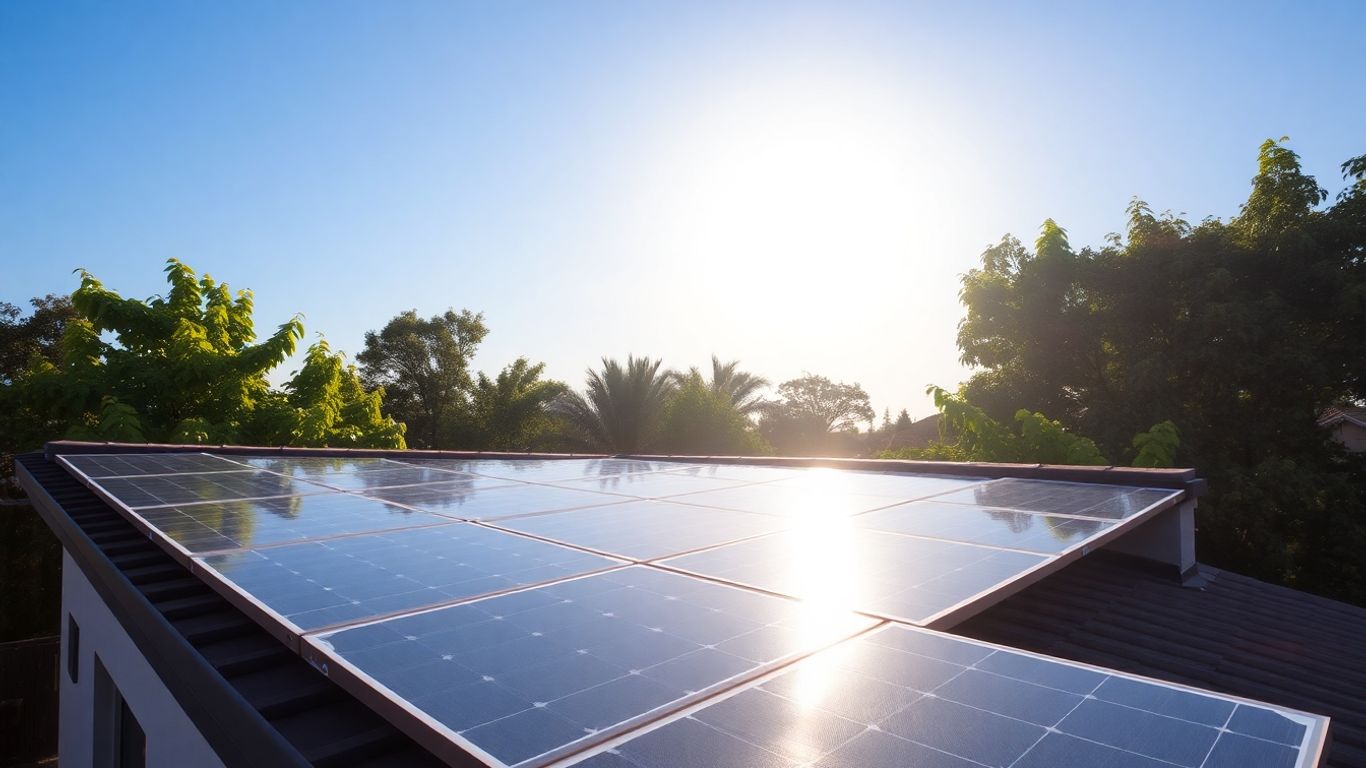
So, you’re thinking about solar panels for your place in South Africa. That’s a smart move, especially with our sunshine. But with so many options out there, how do you pick the right ones? It’s not just about grabbing the cheapest set. You’ve got to look at a few things to make sure you get the most bang for your buck and a system that lasts.
Efficiency Ratings for Optimal Output
Think of efficiency like how much work a panel can do with the sunlight it gets. Higher efficiency means you get more electricity from each panel. This is super important if you don’t have a ton of roof space. For South Africa, panels with efficiency ratings above 18% are generally considered pretty good. Brands like Canadian Solar and JA Solar often have panels that perform well, even when the sun isn’t at its brightest. It’s all about getting the most power possible, so you can run your home without relying so much on the grid.
Durability and Weather Resistance
South Africa has a bit of everything weather-wise, right? From the coast’s salty air to the inland heat and the occasional strong winds or even hail. You need panels that can handle it all. Look for panels with strong frames, tough glass, and good cell technology. Brands like Trina Solar and JA Solar are known for building panels that can take a beating. This kind of toughness is key for your system to keep working well for years.
Warranty and After-Sales Support
This is where you protect your investment. Most decent solar panels come with a 25-year performance warranty. This basically guarantees they’ll keep producing a certain amount of power for a quarter of a century. But don’t forget about the product warranty (for defects) and installation warranty. Companies like Canadian Solar and JA Solar often have good warranty packages and are known for helping customers out if something goes wrong. It’s good to know you’re covered.
Balancing Price and Long-Term Value
Okay, let’s talk money. It’s tempting to go for the cheapest option, but that’s usually not the best idea in the long run. Cheaper panels might not be as efficient, might not last as long, or might have weaker warranties. You want to find that sweet spot where you’re getting good quality and performance without breaking the bank. Sometimes paying a bit more upfront for a reliable brand like Longi or Seraphim means you’ll save more on electricity bills and replacements down the line. It’s about the total value over the life of the system, not just the initial price tag.
Top Solar Panel Brands in South Africa
When you’re looking to put solar panels on your roof in South Africa, it can feel a bit overwhelming with all the brands out there. It’s not just about picking the cheapest option; you want panels that will actually work well for a long time, especially with our sometimes unpredictable weather. Getting the right brand means better energy production and fewer headaches down the road. Here’s a look at some of the brands that consistently get good marks from people in South Africa.
Canadian Solar: Performance and Sustainability
Canadian Solar is a big name globally, and for good reason. Their panels are built tough, meaning they can handle a lot, and they’re pretty good at turning sunlight into electricity. They also put a focus on being eco-friendly in how they make their panels, which is a nice bonus. You’ll find they tend to produce a good amount of power, even when the weather isn’t perfect. Plus, their pricing is usually fair, and they back their products with decent warranties, making them a solid choice for many South African homes.
JA Solar: Durability and Efficiency
JA Solar is another global player that’s really known for making panels that are both efficient and built to last. They use modern technology in their cells, which helps them keep performing steadily, even in the tougher South African climate. These panels are designed to resist wear and tear over the years, so you can expect them to still be putting out a good amount of power, like over 80% of their original capacity, even after 25 years. That makes them a smart pick if you’re thinking long-term.
Trina Solar: High Efficiency in Extreme Conditions
If you’re worried about how your panels will handle really hot days, strong winds, or heavy rain, Trina Solar is worth a look. They’ve put a lot of effort into research and development, constantly trying to make their panels more efficient and tougher. This focus means their panels are a reliable option, whether you’re near the coast or further inland where the weather can be a bit wild.
Longi: Affordable and Reliable Options
Longi offers good quality monocrystalline panels that give you a decent amount of power without costing an arm and a leg. They’re known for putting out a good amount of electricity and not losing their effectiveness too quickly. If you’re trying to keep costs down but still want a panel that’s going to do a good job for your home, Longi is a brand that balances price and performance well.
Choosing a reputable solar panel brand is more than just a purchase; it’s an investment in consistent energy supply and long-term savings. In a country like South Africa, where energy reliability can be a concern, opting for quality panels from trusted manufacturers ensures your system will operate effectively for many years, providing both financial and environmental benefits.
Considering Inverter Capacity for Your Home
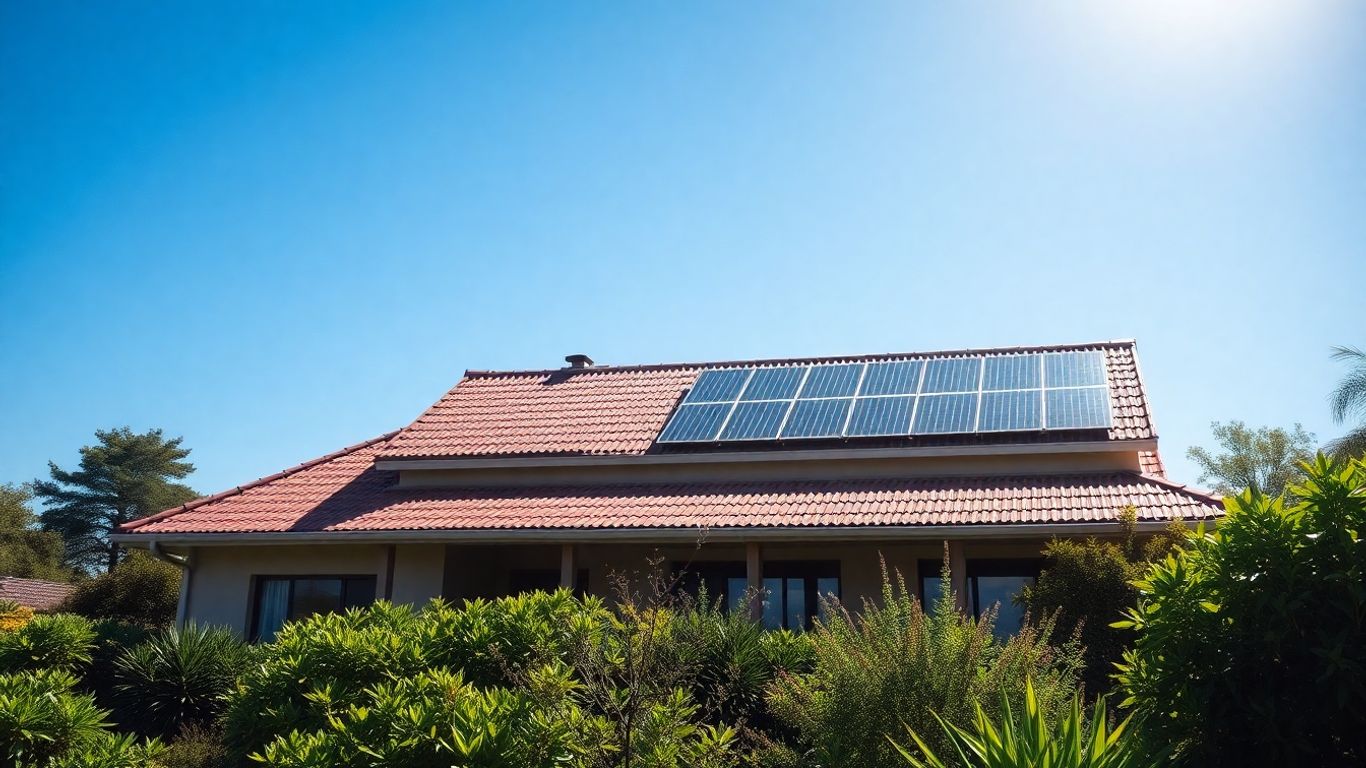
Think of the inverter as the central nervous system of your solar setup. It’s the component that takes the direct current (DC) power generated by your solar panels and transforms it into the alternating current (AC) power that your household appliances actually use. Getting the inverter capacity right is super important; too small, and it won’t be able to handle your energy demands, potentially causing issues. Too big, and you might be spending more than you need to. It’s all about finding that sweet spot.
Matching Inverter Size to Energy Needs
So, how do you figure out what size inverter you need? It really comes down to understanding your home’s typical electricity usage. You’ll want to look at your monthly electricity bills to get a sense of your average daily and peak energy consumption. Consider the wattage of your major appliances – things like your fridge, air conditioner, geyser, and any high-draw items. The goal is to select an inverter that can comfortably handle the combined wattage of the appliances you’re likely to run simultaneously during peak times.
Here’s a general idea of what different inverter sizes might be suitable for:
3kW – 5kW Inverters:
Often a good fit for smaller homes or those with moderate energy needs. They can typically manage essential appliances and lighting, especially if you’re not running many high-demand items at once.
5kW – 8kW Inverters:
This range is quite popular for many South African households. It offers a good balance, capable of powering a wider range of appliances, including air conditioning, and providing a bit buffer for those times when you need more power.
8kW+ Inverters:
For larger homes, those with multiple high-energy appliances, or if you plan on significant future expansion of your solar system, a larger inverter might be necessary. These can handle substantial loads with ease.
It’s also worth noting that your solar panels’ total output capacity needs to be compatible with your inverter. You don’t want your panels generating more power than your inverter can process. You can find some helpful information to select the appropriate inverter size for your appliances
Popular Inverter Models for Households
When you start looking at specific models, you’ll see a lot of different brands and features. For many homes in South Africa, a 5kW inverter hits a good balance between capability and cost. Brands like Sunsynk offer models in the 8.8kW or even 12kW range, which are great if you have higher energy demands or a larger property. Zensolar AlphaEss 5kW inverter is another frequently chosen option for typical household energy requirements. When choosing, always check the inverter’s specifications against your calculated energy needs and the output of your chosen solar panels.
Selecting the right inverter isn’t just about picking the biggest or smallest one available. It’s about a careful calculation of your home’s energy habits and the combined power output of your solar array. Getting this balance right means your system will operate efficiently, reliably, and cost-effectively for years to come.
Emerging Technologies in Solar
Advanced Smart Inverters
So, the solar world isn’t just about panels anymore. A big part of what’s changing things is the inverter. Think of it as the brain of your solar setup. Newer smart inverters are way more than just converting DC to AC power. They can actually optimize the output from each individual panel, which is pretty neat. This means if one panel is shaded or not performing as well, the others aren’t dragged down with it. They also come with built-in safety features, like arc fault circuit interrupters (AFCI), which can shut down the system if it detects a problem. Brands like FusionSolar are putting out some interesting models that offer this kind of advanced control and safety.
Bifacial Panels and Enhanced Battery Solutions
Beyond inverters, we’re seeing cool stuff with the panels themselves and how we store the energy. Bifacial panels are a game-changer because they can capture sunlight from both the front and the back. This can seriously boost how much energy you get, especially if you have a reflective surface underneath them. And battery storage? It’s getting better too. We’re talking about batteries that can hold more power, last longer, and charge and discharge more efficiently. This means you can store more of your own solar energy for use at night or during load shedding, making you less reliant on the grid.
The solar market is always moving forward. Keeping an eye on these new developments, like smarter inverters and panels that capture more light, can help you make a more future-proof investment for your home’s energy needs. It’s not just about getting solar now, but getting the best solar for the long haul.
Here’s a quick look at what’s new:
Smart Inverters: Offer panel-level optimization and advanced safety features.
Bifacial Panels:
Capture sunlight from both sides for increased energy generation.
Improved Batteries: Higher capacity, longer lifespan, and better efficiency for energy storage.
Making the Switch to Solar Power
So, you’ve looked at the panels, the inverters, and the batteries. Now comes the exciting part: actually getting solar power onto your roof. It’s a big step, and honestly, it can feel a bit overwhelming with all the choices out there. But think about it – you’re moving towards energy independence and cutting down on those monthly bills. Plus, you’re doing your bit for the planet, which is always a good thing. South Africa is really embracing solar, and for good reason. The cost of electricity keeps going up, and having your own power source just makes sense.
Benefits of Solar Investment
Why go solar? Well, the reasons are pretty solid. For starters, you’re looking at significant savings on your electricity bills over the long haul. Once the system is up and running, the sun’s energy is essentially free. Beyond the money, there’s the environmental angle. By using solar, you’re reducing your reliance on fossil fuels, which means fewer greenhouse gases. It’s a win-win for your wallet and the environment. And let’s not forget energy independence. You become less vulnerable to those unpredictable utility price hikes and potential power outages. It’s about taking control of your energy.
Professional Installation Guidance
Okay, so you’ve decided to take the plunge. Great! But here’s where you really want to get it right: installation. Trying to DIY this is usually a bad idea. You need professionals who know what they’re doing. They’ll make sure your panels are angled just right for maximum sun exposure, all the wiring is done safely, and the whole system is set up to perform at its best from day one. Think of it like building a house – you wouldn’t skimp on the foundation, right? Getting a quality installation is like laying that solid foundation for your solar investment. It’s worth finding a reputable installer who can handle everything from mounting the panels to connecting the inverter and batteries. This is a key step in ensuring your solar system works efficiently for years to come.
Monitoring System Performance
Once your solar system is installed and humming along, you don’t just forget about it. Keeping an eye on how it’s doing is pretty important. Most modern systems come with apps or online portals that let you see exactly how much power you’re generating, how much you’re using, and how your batteries are performing. This is super useful for a few reasons. You can spot if something isn’t working quite right, maybe a panel is getting too much shade or an inverter is acting up. Regular checks also help you understand your energy usage patterns better, which can lead to even more savings. It’s like having a dashboard for your home’s energy, giving you peace of mind and helping you get the most out of your solar setup. For homeowners looking to make the switch, understanding these aspects is key to a successful transition to solar power in South Africa
Making the switch to solar power is more than just installing panels; it’s about investing in a sustainable future, gaining control over your energy costs, and contributing to a cleaner environment. Professional installation and ongoing monitoring are vital steps to ensure you reap the full benefits of your solar investment for years to come.
Wrapping It Up: Your Solar Journey in South Africa
So, we’ve looked at what makes a good solar setup for homes here in South Africa. It’s not just about slapping some panels on the roof; you’ve got to think about the inverter, how much battery storage you need, and of course, the panels themselves. Brands like Canadian Solar, Jinko Solar, and Trina Solar are solid choices, offering a good mix of efficiency and toughness for our local weather. Remember, while the upfront cost might seem a bit much, going solar is really about saving money in the long run and getting some power independence, especially with how electricity prices keep going up. Do your homework, figure out what fits your home’s needs, and you’ll be well on your way to a brighter, greener future.
Frequently Asked Questions
What are the main parts of a solar system for a home?
A solar system for your home mainly has three important parts: the solar panels that catch sunlight, the inverter that changes sunlight into electricity your home can use, and battery storage to save extra power for later.
How do I know which solar panels are best for my house in South Africa?
When picking solar panels, think about how well they turn sunlight into electricity (efficiency), how tough they are to handle different weather, and what kind of guarantee they come with. It’s also smart to compare prices with how long they’re expected to last.
Are Canadian Solar panels a good choice for South Africa?
Yes, Canadian Solar panels are a popular choice because they work well in various weather, are built to last, and are made with the environment in mind. They offer good energy production and come with decent warranties, making them a solid option.
How big should the inverter be for my home?
The size of your inverter, often measured in kilowatts (kW), should match how much electricity your home usually uses. For many homes, a 5kW inverter is a good starting point, but bigger homes might need a larger one like 8.8kW or 12kW.
Are batteries really necessary for a solar setup?
Batteries aren’t absolutely required, but they are very helpful. They let you store extra electricity made during sunny days to use at night or when the power grid goes out. This gives you more energy independence
What are the main benefits of installing solar panels?
Installing solar panels can save you a lot of money on electricity bills over time. It also makes you less dependent on the power grid, which is great during load shedding, and helps the environment by using clean energy
Zensolar
Commercial and residential solar specialists
We help South African families and businesses break free from rising electricity costs with custom solar solutions that can cut your bills by up to 92% from day one. From consultation to installation, we make going solar simple so you can enjoy energy independence and predictable monthly savings In Gauteng, NW, Cape town and KZN
Address
51 Gustav Preller Str, Vorna Valley, Midrand.
Phone
+27 11 045 9062