
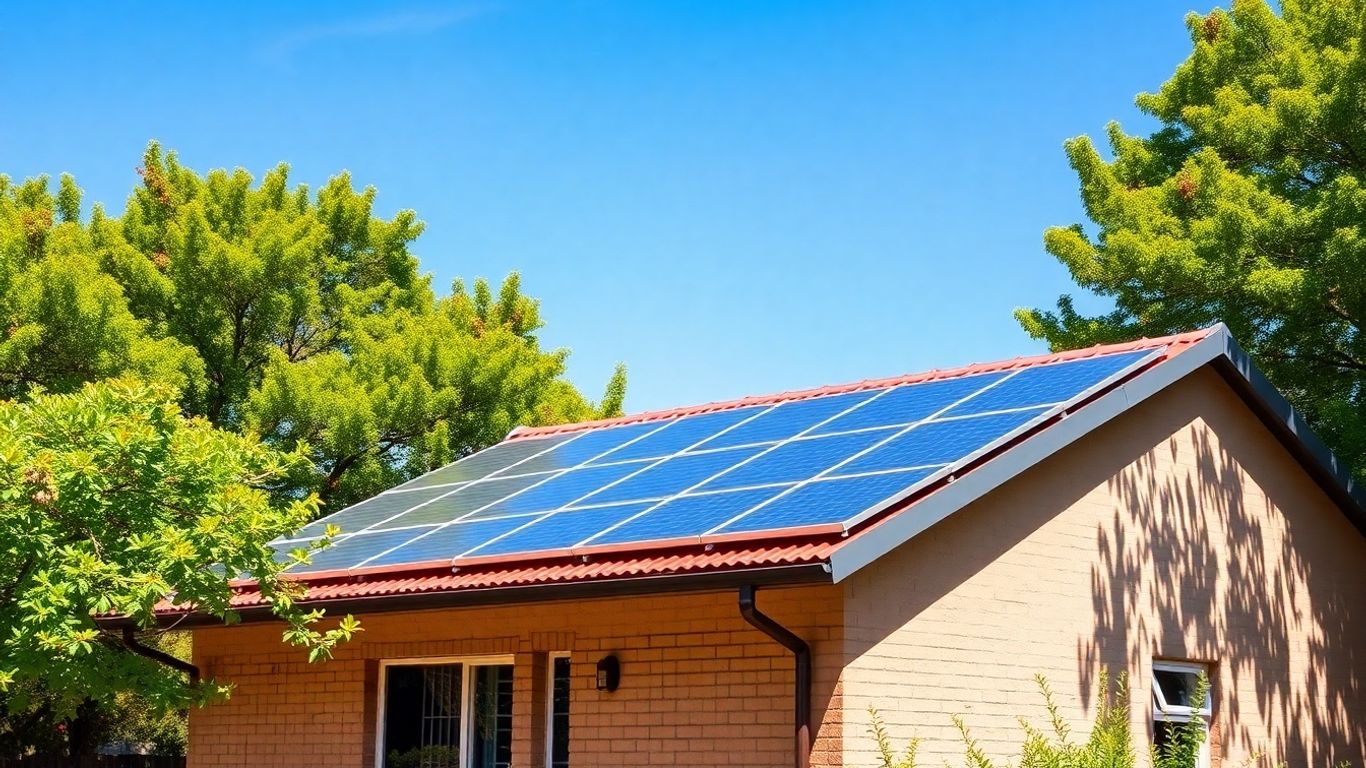
South Africa is dealing with some tough energy issues, like constant power outages and bills that just keep going up. Lots of people want to switch to solar to get away from all that, but buying a whole system outright can be a huge expense. That’s where rent-to-own solar comes in. It lets you start using clean energy right away and pay for it over time. This article will break down what rent-to-own solar is, how it works in Mzansi, and why it’s becoming such a popular choice. We’ll look at the money side of things, the long-term perks of owning your system, and how it helps you rely less on the shaky power grid. If you’re thinking about solar but worried about the cost or what you’re signing up for, this guide should help clear things up so you can make a move.

Key Takeaways

  • Rent-to-own solar lets you use a solar system immediately and pay for it in monthly installments, eventually owning it outright, unlike traditional renting where you never own the equipment.

  • This model is popular in South Africa because it bypasses the high upfront costs of buying solar, making renewable energy accessible to more households and businesses facing rising electricity prices and load shedding.

  • Key benefits include financial flexibility with manageable monthly payments, energy independence from the grid, and contributing to a more sustainable environment by reducing your carbon footprint.

  • The process typically involves choosing a system, signing an agreement, making regular payments, and finally taking full ownership once all installments are complete.

  • While rent-to-own offers affordability and flexibility, it’s important to carefully review contract terms, especially buy-out clauses and potential escalations, to ensure it aligns with your long-term goal of reducing electricity costs.

InPower Solar Finance

InPower Solar Finance presents a straightforward approach to acquiring a solar system, functioning much like a traditional loan but with a focus on solar energy. The key benefit here is that the system becomes fully yours once the financing term is complete.

They offer a specific package, a 3kW solar power kit, which includes:

  • A 5kW Sunsynk inverter

  • A 5.5 kW Hubble Am2 battery

  • 8 x Tier 1 JA Solar Panels (455W each)

  • Full installation, complete with a Compliance Certificate

Here’s a breakdown of the costs involved:

colgroup


Item

Cost

Deposit (Once-off)

R46,691

Monthly Installment

R3,554

Term

36 months

The advertised interest rate is prime minus 1%, which at the time of writing is 10.75%. InPower emphasizes that there are no hidden fees. Over the three-year period, the total cost for this package comes to R172,631.

This financing option aims to make solar ownership accessible by spreading the cost over a manageable period, allowing you to benefit from owning the system outright after the payments are done. It’s designed for those who want to own their solar assets without the large upfront expense.

It’s worth noting that this option is distinct from rent-to-own models where ownership isn’t immediate. With InPower, you’re essentially buying the system through installments, leading to full ownership.

Sun Savings

Sun Savings is a company that aims to make going solar easier for folks in South Africa. They talk about saying goodbye to load-shedding and hello to the sun’s power. It sounds like they try to handle the whole process for you, from start to finish, offering some guidance along the way.

They have a rent-to-own option that they seem pretty proud of. One of the things they highlight is that there’s no yearly increase on your monthly rent, which is a big deal compared to some other deals out there.

Here’s a quick look at how their client journey seems to work:

  • Become a Sunsaver: You fill out a form to see what you qualify for.

  • Solutions Architect: After that, their experts get in touch to talk about options and give you a final plan.

  • Installation:<\/strong> Once everything is approved, they install your system.

It’s worth noting that they partner with Merchant West for their rent-to-own solutions. This means you’ll go through their application process for credit assessment and contract setup. They mention that at the end of the contract, you can own the system by paying just one extra monthly rental payment, avoiding large buy-out fees. This approach seems designed to make solar more accessible without a massive upfront cost, which is a big plus for many households dealing with power issues. You can explore their packages to learn more about powering your property with solar energy.

When looking at solar rental or subscription plans, it’s smart to read the fine print carefully. Some deals might look good on the surface but can come with hidden costs like big setup fees, yearly price hikes, long contract terms, or expensive penalties if you want to cancel early. Understanding all the terms and conditions is key to making a good choice.

Zen Solar and Other Rent-To-Own Providers

For those looking to transition to solar power without the immediate financial burden, companies like Zen Solar offer accessible solutions. Zen Solar provides residential solar solutions, and you can explore their offerings further at https:\/\/www.zensolar.co.za /residential. They are part of a growing trend in South Africa where renewable energy is made more attainable through flexible payment plans.

Beyond Zen Solar, other companies are also stepping up to provide rent-to-own solar options. These providers understand the challenges many South Africans face with upfront costs and the need for reliable energy. They structure their offerings so that you can start benefiting from solar power immediately, paying for the system in manageable monthly installments. This approach not only helps in combating load shedding but also contributes to long-term savings on electricity bills.

When to: 

  • Understand the Contract: Carefully review the terms, including the total cost over the contract period, monthly payment amounts, and what happens at the end of the term (e.g., ownership transfer, final payment).

The rent-to-own model is designed to democratize solar energy, making it a viable option for a broader segment of the population. By spreading the cost, it allows for immediate energy independence and long-term financial benefits, provided the contract terms are clear and favorable.

These flexible financing options are key to accelerating solar adoption across South Africa, helping individuals and businesses gain control over their energy consumption and costs.

Banks That Finance Solar Via A Third-Party Solar Provider

Some banks in South Africa have teamed up with solar installation companies to offer a more streamlined way to get solar power. It’s a bit like a package deal where the bank handles the money side, and a chosen solar company takes care of putting the system in. This can make things simpler because you’re not juggling multiple companies.

This approach often means you get a one-stop solution for financing and installation. The bank works with specific solar providers, so they’ve likely vetted them for quality and service. This can give you some peace of mind.

Here’s a general idea of what you might expect:

  • System Components: Typically, this could include a 5kW inverter, several solar panels (like 8 x 460W), and a battery system.

  • Installation Costs: Expect installation fees and costs for mounting materials, often bundled into the loan.

  • Monthly Payments: These are usually based on prime interest rates, but your actual rate will depend on your credit score and your relationship with the bank.

While this setup can be convenient, it’s smart to compare the total cost over a few years. Remember that the bank’s partnerships might limit the specific brands or models of solar equipment available to you. It’s also worth checking what kind of support and warranty comes with the system, as this is usually handled by the third-party installer.

When looking at these bank-led packages, always ask for a full breakdown of costs, including any fees and the total interest you’ll pay over the loan term. Understanding these details upfront helps you make a solid decision about your solar investment.

Banks Using Your Own Installer

South African home with solar panels on roof.

Some banks in South Africa offer a way to finance your solar system even if you already have an installer in mind. This approach gives you a bit more control over who puts your system together. Basically, the bank provides you with a solar loan, and they’ll usually give you a list of installers they’ve vetted and approved. You then pick from that list, or sometimes, they might let you use your own preferred installer if they meet certain criteria.

Here’s a general idea of how it works:

  • Loan Approval: The bank assesses your creditworthiness to determine the loan amount and interest rate. This means your credit score plays a big role here.

  • Installer Selection: You choose an installer from the bank’s approved list or get approval for your own.

  • System Purchase & Installation: Once approved, you use the loan to purchase and install your solar system with your chosen installer.

  • Repayment: You then repay the loan to the bank over an agreed period, usually with monthly installment

This option can be attractive because it allows you to leverage your existing relationship with your bank for financing while still having a say in the installation process. It’s a good middle ground if you’re not keen on the rent-to-own models where you don’t own the system outright from the start. You’ll want to compare interest rates and loan terms carefully, as these can vary significantly. For instance, some banks might offer better rates if you extend the loan period, which could lower your monthly payments but increase the total interest paid over time. It’s worth looking into options like solar loans to see how they compare.

Keep in mind that the total cost, including interest, can add up. It’s always a good idea to get a few quotes and compare the overall financial commitment before signing anything. Understanding the total repayment amount is key to making an informed decision about your solar investment.

What Is Rent To Own Solar?

So, what exactly is this ‘rent to own’ solar thing? Basically, it’s a way to get solar panels on your roof without having to pay the whole big amount upfront. Think of it like paying for a car in monthly installments instead of buying it cash on the spot. You get to use the solar system right away, and your monthly payments gradually add up until you eventually own it outright. It’s a bit different from just renting, where you’d never actually own the equipment. With rent to own, those payments build towards you owning the system completely at the end of the contract.

This model is a pretty smart move for a lot of South Africans right now. We all know about the load shedding and the rising electricity bills, and sometimes the cost of a full solar setup just seems out of reach. Rent to own solar bridges that gap. It makes clean energy accessible without needing a massive chunk of cash saved up.

Here’s a quick rundown of how it generally works:

  • Choose Your System: You pick a solar setup that fits your needs, whether it’s just panels or panels with batteries.

  • Sign the Agreement: You’ll agree on a monthly payment amount and how long the contract will last. This agreement also spells out when you’ll officially own the system.

  • Make Monthly Payments: You pay a set amount each month. This is usually much more manageable than a big upfront cost. Own It: Once you’ve made all your payments, the solar system is all yours. No more monthly payments, just the benefits of your own solar power.

This approach is really about making renewable energy practical for more people. It combines the immediate benefit of having solar power with the long-term goal of owning it, all while keeping your budget in mind. It’s a way to get reliable power without the immediate financial strain.

It’s a good option if you want to start saving on electricity bills and have power during outages but can’t swing the full purchase price right now. Companies like Zen solar offer these kinds of packages, making it easier to get started.

How Rent To Own Solar Works In South Africa

So, you’re thinking about getting solar panels but the upfront cost feels like a mountain to climb? That’s where the rent-to-own model comes in, and it’s becoming a pretty popular way for South Africans to get clean energy without emptying their bank accounts right away.

Basically, you pick out a solar system that fits what you need – maybe it’s just panels and an inverter, or perhaps you want batteries too for those inevitable load-shedding moments. Then, you sign an agreement. This contract lays out how much you’ll pay each month, for how long, and importantly, that the system will be all yours once you’ve made the final payment.

Instead of a massive bill at the start, you just pay a regular, predictable amount each month. It’s kind of like paying for a phone on a contract, but for your electricity.

Here’s a quick rundown of the typical steps:

  • Choose Your System: You work with a provider to select the solar setup that best suits your home or business needs and budget.

  • Sign the Agreement: You’ll go over the contract details, including payment terms, duration, and what happens at the end.

  • Make Monthly Payments: You pay your agreed-upon installment each month, enjoying the benefits of solar power from day one.

  • Gain Full Ownership: After completing all your payments, the solar system officially becomes yours, free and clear.

This approach is a game-changer because it removes the biggest hurdle for many South Africans: the initial, often hefty, price tag. You get to start saving money on your electricity bills and gain energy independence right away, while your monthly payments are spread out over a period that’s easier to manage.

Think of it this way: you’re using the solar system while you’re paying for it, and those payments are building up towards you owning it outright. Once the contract is finished, you’re left with a system that generates free electricity for years to come. It’s a way to get reliable power and long-term savings without needing a huge chunk of cash upfront.

Benefits Of Rent To Own Solar Systems

Switching to solar power can feel like a big leap, especially with the upfront costs involved. That’s where rent-to-own solar systems really shine. They basically let you get all the good stuff about solar without needing a massive pile of cash right away. It’s a pretty smart way to get reliable power and start saving money.

Here are some of the main perks:

  • Financial Flexibility: This is probably the biggest draw. Instead of paying thousands upfront, you pay a manageable monthly fee. This makes it way easier to fit into your household budget, whether you’re a family or a small business. You get the benefits of solar from day one without the immediate financial strain.

  • Energy Security: Load shedding is a real headache for many South Africans. A rent-to-own system means you’ve got a backup power source. You can keep your lights on, your fridge running, and your devices charged, even when the grid goes down. It brings a lot of peace of mind.

  • Gradual Ownership: The “rent-to-own” part is key. You’re not just renting forever. Your monthly payments build towards owning the system outright. Once you’ve paid it off, you own it free and clear, and all the energy it produces is essentially free for you. It turns your monthly expense into a long-term investment.

  • Predictable Costs: With a rent-to-own agreement, your monthly payments are usually fixed. This helps you budget more effectively, unlike unpredictable electricity bills that can jump up and down. You know exactly what you’ll be paying each month for your solar system.

Rent-to-own solar offers a practical pathway to energy independence for many South Africans who might otherwise be priced out of the market. It balances immediate needs with long-term financial planning, making renewable energy more accessible than ever before.

It’s a way to get on the solar train without derailing your finances, offering a clear path to owning your own clean energy source.

Who Should Consider A Solar System Rent To Own Option?

So, who exactly is this rent-to-own solar thing for? Honestly, it’s a pretty sweet deal for a lot of South Africans right now. If you’re tired of watching your electricity bill climb higher and higher, or if load shedding has become a regular, unwelcome guest in your home, then this could be your ticket to more stable power.

It’s especially good for folks who want the benefits of solar – like lower bills and a bit more energy independence – but just can’t swing the big upfront cost of buying a system outright. Think of it like getting a new appliance on a payment plan; you get to use it right away while paying it off over time. This makes accessing solar energy benefits much more manageable.

Here’s a quick rundown of who might find this option particularly appealing:

  • Households facing frequent power outages: If load shedding is messing with your daily life, a rent-to-own system can provide a reliable backup, keeping your essential appliances running.

  • Budget-conscious families and individuals: When the initial price tag of a full solar setup seems impossible, spreading the cost makes it achievable.

  • Small to medium businesses: Keeping operations running smoothly is key. If power cuts are hurting your bottom line, a solar system can offer stability without a massive capital outlay.

  • Those looking for long-term savings without immediate financial strain: You get to start saving on electricity costs from day one, even while you’re still paying off the system.

It’s really about finding a balance. You want the advantages of solar power – cleaner energy, lower bills, and less reliance on the grid – but your current financial situation doesn’t allow for a large, immediate investment. Rent-to-own bridges that gap, letting you start enjoying those benefits now and own the system later.

It’s not for everyone, of course. If you have a substantial amount of cash saved up and want to own the system outright from the get-go, buying might be a better fit. But for many, the flexibility and accessibility of a rent-to-own solar system in South Africa is a game-changer.

Practical Applications In South Africa

So, what does a rent-to-own solar system actually look like on the ground here in South Africa? It’s not just some abstract financial idea; it’s about solving real, everyday problems.

For families, especially those living in areas that get hit hard by load shedding, a rent-to-own setup can be a total game-changer. Imagine keeping your lights on, your fridge running, and your kids’ devices charged during those long power outages. Even a basic system, like a 3kW solar setup, can power essential appliances and make life a lot more comfortable when the grid goes down. It means no more spoiled food or dark evenings.

Businesses, from small workshops to local shops, also stand to gain a lot. Power cuts mean lost productivity and lost money. A rent-to-own solar system offers a way to get reliable backup power without needing a massive chunk of cash upfront. This keeps operations running smoothly and protects the bottom line. It’s a way to invest in stability without breaking the bank.

Here’s a quick look at who benefits most:

  • Households: Especially those experiencing frequent load shedding or dealing with high electricity bills.

  • Small to Medium Businesses (SMEs): Businesses that can’t afford downtime and need consistent power for operations.

  • Property Owners strong Individuals looking to increase property value and reduce long-term energy expenses.

The beauty of the rent-to-own model is its flexibility. It allows individuals and businesses to adapt to their energy needs over time, starting with a system that fits their current budget and gradually upgrading as their requirements grow or their financial situation improves. This avoids the problem of over-investing initially or being stuck with an undersized system later on.

Ultimately, these systems are about making energy independence achievable for more South Africans. It’s about taking control of your power supply and your budget, one monthly payment at a time. This approach makes solar power a practical choice for a wider range of people, offering a path to energy security and savings.

Wrapping It Up

So, when you look at all the options for getting solar power without paying a ton upfront, rent-to-own really stands out in South Africa. It’s a way to get your lights on during load shedding and cut down those bills without needing a massive pile of cash right away. While buying outright is great if you can swing it, rent-to-own gives more people a shot at owning their own solar system eventually. Just make sure you read the fine print on any agreement – understand the monthly costs, how long you’ll be paying, and what happens when you finally own it. It’s about making a smart choice for your wallet and for a more stable power future.

Frequently Asked Questions

What exactly is a rent-to-own solar system?

A rent-to-own solar system lets you use solar panels and other equipment right away without paying for it all at once. You make regular monthly payments, and each payment gets you closer to owning the system completely. It’s like renting, but your payments build up to you owning it in the end, unlike a regular rental where you never own the equipment.

How does the rent-to-own process work in South Africa?

First, you pick a solar setup that fits your needs. Then, you sign an agreement that explains the monthly payments and how long you’ll be paying. You make these payments over a set time. Once you’ve made all the payments, the solar system is all yours, and you won’t have any more bills for it.

Why is rent-to-own solar becoming so popular in South Africa?

It’s popular because electricity prices are going up, and there are frequent power outages (load shedding). Many people want solar power to save money and have reliable electricity, but they can’t afford to buy a whole system upfront. Rent-to-own makes it possible for more people to get solar power with payments they can manage.

What are the main benefits of choosing a rent-to-own solar system?

The biggest benefit is not having to pay a lot of money upfront. This makes solar power accessible to more people. You also get to enjoy lower electricity bills and more reliable power from day one. Plus, once you own it, you have free solar energy for many years, making it a great long-term investment.

Who should think about getting a rent-to-own solar system?

This option is great for families and small businesses that want to avoid load shedding and high electricity bills but can’t afford to buy a system outright. If you want to start saving money and have power security without a big initial cost, rent-to-own solar is a smart choice.

Can I really own the system after the rent-to-own period?

Yes, that’s the whole point of ‘rent-to-own’! The agreement is set up so that after you finish making all your scheduled payments, the solar system becomes your property. You then get to enjoy the benefits of generating your own free electricity without any further monthly costs for the system itself.

Zensolar

Commercial and residential solar specialists

We help South African families and businesses break free from rising electricity costs with custom solar solutions that can cut your bills by up to 92% from day one. From consultation to installation, we make going solar simple so you can enjoy energy independence and predictable monthly savings In Gauteng, NW, Cape town and KZN

Address

51 Gustav Preller Str, Vorna Valley, Midrand.

Phone

+27 11 045 9062