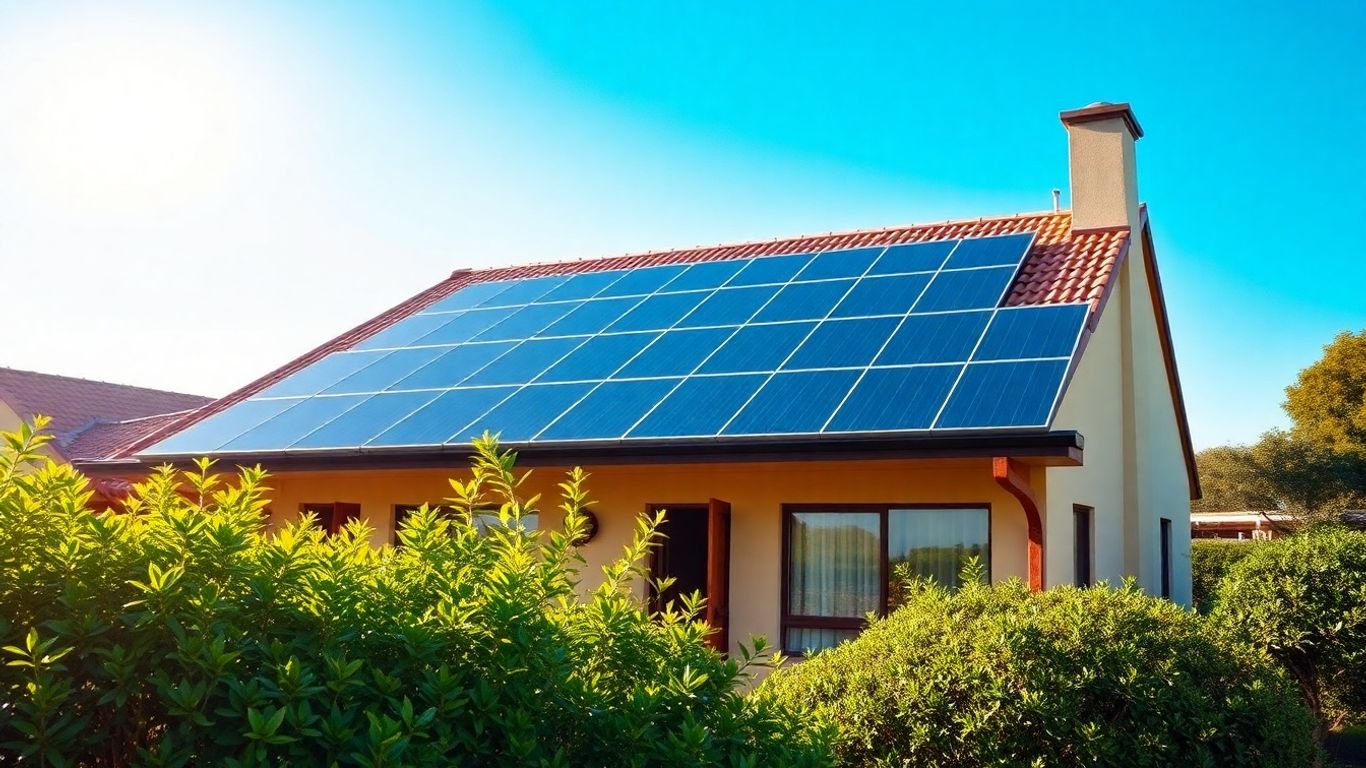
Thinking about getting solar panels in South Africa? It’s a big decision, and there are a few ways to go about it. You’ve got loans, outright purchases, and then there’s the solar lease to own south africa option. This guide is here to break down what solar lease to own really means, how it stacks up against other choices, and if it’s the right move for you and your home in 2025. Let’s figure out how to get you powered up sustainably.
Key Takeaways
Solar lease to own in South Africa lets you use solar power with low initial costs, with the option to own the system later.
Owning your solar system outright means you can benefit from tax breaks and sell extra power back to the grid, which lease-to-own usually doesn’t allow.
Batteries in solar systems typically last 10-15 years, so check if your lease-to-own agreement allows you to recoup costs before they need replacing.
Hybrid inverters are flexible and good for South Africa’s needs, managing solar, grid, and battery power, though they cost more upfront.
When choosing, compare system costs, inverter types, and your own energy needs to find the best fit, whether it’s a loan, lease, or rental plan.
Understanding Solar Lease To Own in South Africa
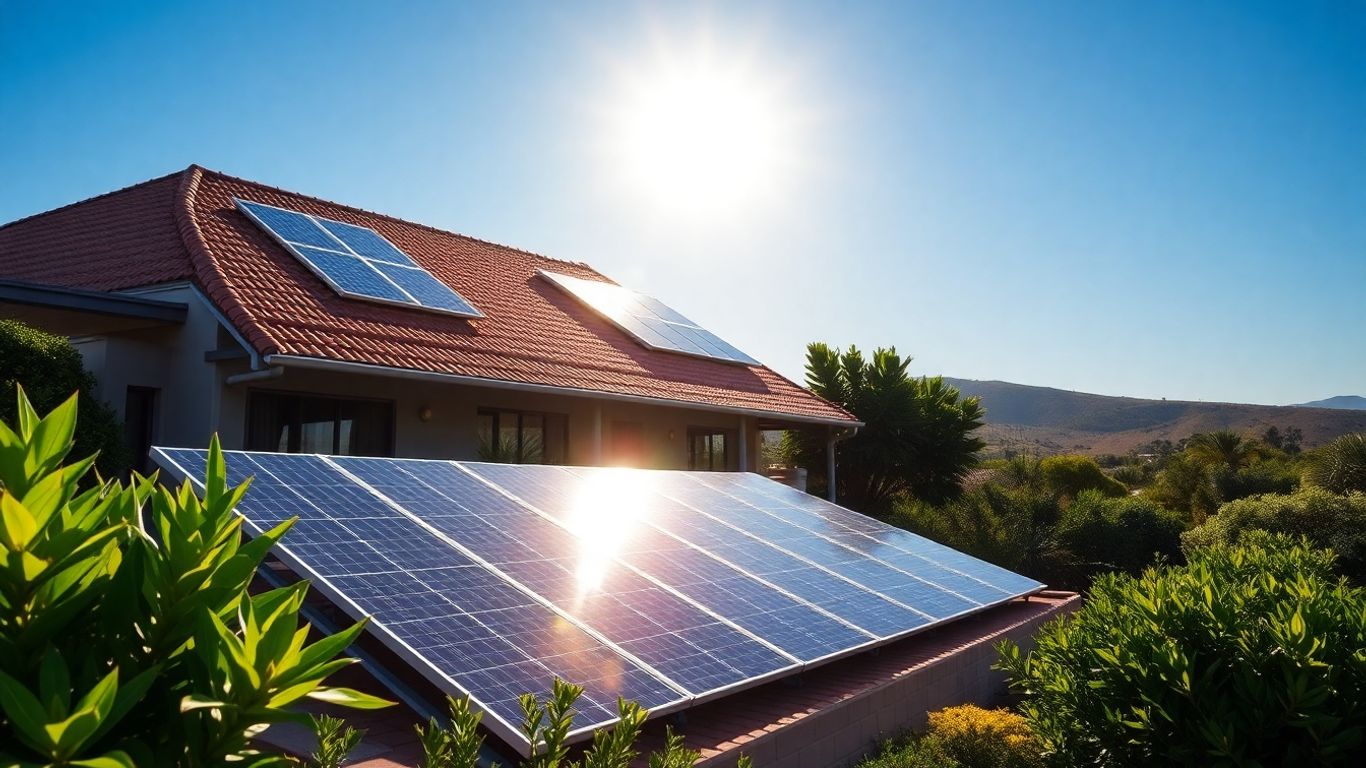
So, you’re thinking about getting solar panels in South Africa, huh? It’s a big decision, and one of the ways people are doing it is through something called ‘lease to own’. It sounds pretty straightforward, but there are some important details to get your head around before you sign anything. Basically, with a lease-to-own agreement, you’re renting the solar system for a set period, usually a few years. At the end of that term, you have the option, or sometimes the obligation, to buy the system outright. It’s a way to get the benefits of solar power without a massive upfront cost, which is a big deal for a lot of households dealing with rising electricity prices and outages.
What is Solar Lease To Own?
Think of it like renting a car with the intention of buying it later. You get to use the solar system right away, and it starts cutting down your electricity bills from day one. The monthly payments are typically fixed, making budgeting easier. This approach is quite popular because it lowers the barrier to entry for solar adoption. You’re essentially paying for the use of the system over time, and then you have the chance to become the full owner. It’s a structured way to transition into solar energy without needing all the cash upfront. Many providers offer these plans, and they often include installation and sometimes even maintenance.
Key Differences: Ownership vs. Rental
This is where things get really important. When you own a solar system outright, whether you bought it cash or paid off a loan, it’s yours. That means you can take advantage of things like selling excess electricity back to the grid, which can be a nice little income stream. You also get to claim any tax incentives or rebates that might be available. Plus, owning the system can add value to your property. With a lease-to-own, you’re not the owner until the very end of the contract, if at all. This means you usually can’t benefit from selling excess power or tax breaks. The company you lease from typically holds these rights. It’s a trade-off: lower upfront cost versus long-term financial benefits.
Here’s a quick look at the main differences:
Ownership: You own the system, can sell excess power, claim tax benefits, and add property value.
Lease-to-Own: You use the system, pay monthly, and have the option to buy later. Benefits like selling excess power usually go to the leasing company.
Rental: You pay to use the system, but there’s no option to own it at the end. Maintenance might be included, but you don’t gain equity.
The Role of Inverters in Solar Systems
No matter how you finance your solar setup, the inverter is the brain of the operation. It’s the piece of equipment that converts the direct current (DC) electricity your solar panels produce into the alternating current (AC) electricity your home uses. There are a few types, but for South Africa, especially with outages, hybrid inverters are often the go-to. These bad boys can manage power from your panels, the grid, and a battery bank, switching between them as needed. Grid-tied inverters are simpler and cheaper but won’t give you power when the grid is down. Off-grid inverters are for when you’re completely disconnected from the grid. Choosing the right inverter is key to how well your system performs, whether you own it or are leasing it. The type and quality of the inverter can significantly impact your energy savings and system reliability. You can find more information on different types of solar land leases here.
When considering any solar financing, especially lease-to-own, it’s vital to read the fine print. Understand exactly what you’re paying for, what happens at the end of the lease term, and what benefits you are and are not entitled to. Don’t just focus on the monthly payment; look at the total cost and the long-term implications.
Financial Benefits and Investment Returns
So, you’re thinking about solar, and naturally, the big question is about the money. It’s not just about saving a few bucks here and there; it’s about making a smart investment that pays off over time. When you look at solar, especially with a lease-to-own setup, you’re essentially buying future savings. The initial cost might seem like a lot, but let’s break down what you actually get back.
Long-Term Savings and Return on Investment
This is where solar really shines, pun intended. Over the lifespan of a solar system, which is typically 25 years or more for the panels, the savings on your electricity bill can add up significantly. Think of it as locking in your energy costs. Instead of paying ever-increasing Eskom tariffs, you’re paying a fixed amount (or less) for your solar power. This predictable cost is a huge advantage, especially with the current energy climate.
Reduced monthly electricity bills: This is the most immediate benefit you’ll see.
Protection against rising energy prices: Solar insulates you from unpredictable tariff hikes.
Increased property value: Homes with solar systems are often more attractive to buyers.
The real magic happens when the system pays for itself and then starts generating pure savings. For businesses, this can mean a substantial boost to the bottom line, making large-scale solar installations a strategic move for long-term financial health.
Understanding Buy-Back Periods and Battery Lifespans
When you’re looking at lease-to-own, it’s super important to get the details right, especially concerning ownership and what happens at the end of the contract. A key thing to consider is the battery. While solar panels last for ages, batteries have a shorter lifespan, usually around 10 to 15 years, and this can be shorter if you experience frequent outages. If your lease-to-own agreement is long, say over 8 years, you might find yourself needing to replace the battery before you’ve even fully ‘owned’ the system outright. This is why understanding the buy-back period and the total cost of ownership is so critical.
The Impact of Outages on System Viability
Load reduction is a reality in South Africa, and it actually makes solar systems, especially those with battery backup, even more appealing. A well-sized system can keep your lights on and your essential appliances running during outages. This means less disruption to your life and work. For businesses, it means avoiding lost productivity and revenue. The ability to generate your own power when the grid is down is a massive benefit that directly impacts your daily operations and overall financial stability. It’s not just about saving money; it’s about maintaining continuity.
The financial case for solar is strong, but it’s crucial to look beyond the monthly payment. Understanding the total cost, the system’s lifespan, and what happens when components like batteries need replacing is key to making sure your solar investment truly pays off in the long run.
Exploring Different Solar Finance Options
So, you’re thinking about solar for your place in South Africa, which is a smart move, especially with the way electricity prices are going and, well, the outage situation. But let’s be real, the upfront cost can seem a bit much. Luckily, there are a few ways to make it work without emptying your savings account all at once. It’s all about finding the right financial path for you.
Solar Loans: A Direct Ownership Path
This is pretty straightforward. A solar loan is basically a loan you take out specifically to buy a solar system. Think of it like getting a loan for a car or a home improvement project. You own the system from day one, and you pay back the loan over time, usually with interest. Banks and other lenders offer these, and sometimes solar companies have partnerships with them to make the process smoother.
Ownership from the start: You own the panels, inverter, and everything else. This means you get all the benefits, like tax incentives and the ability to sell excess power back to the grid.
Interest rates vary: Just like any loan, the interest rate is a big deal. You’ll want to shop around to find the best rate, which often depends on your credit score and the loan term.
Repayment terms: These can range from a few years up to 10 or more, so you can pick a plan that fits your monthly budget.
Some banks in South Africa, like FNB and Absa, have specific solar loan products or personal loan options that can be used for solar installations. They might even offer competitive rates if you go through their preferred installers.
Lease-to-Own Agreements Explained
This option is a bit of a hybrid. With a lease-to-own agreement, you essentially rent the solar system for a set period. During this time, you make regular payments, and the company that owns the system is responsible for its maintenance. The big kicker is that at the end of the lease term, you have the option to buy the system outright, usually for a pre-agreed, often discounted, price. It’s a way to get the benefits of solar without the initial purchase price and with the eventual goal of ownership.
Low upfront cost: This is the main draw. You can get solar installed with very little money down.
Predictable monthly payments: You know exactly what you’ll pay each month.
Maintenance included: The leasing company usually handles repairs and upkeep.
Option to buy: You get to decide if you want to own it at the end of the lease.
This can be a good middle ground if you want ownership eventually but can’t manage the loan payments right now. It’s also great if you’re not keen on dealing with maintenance yourself.
Comparing Rental Plans and Subscription Models
Solar rental plans and subscription models are similar to lease-to-own but often focus more on the service of providing solar power rather than the eventual ownership of the equipment. You pay a monthly fee, and the provider installs and maintains a solar system on your roof. You then use the electricity generated by that system. It’s like subscribing to a service that provides you with clean energy.
No ownership: You don’t own the system, and you typically don’t have the option to buy it at the end of the contract.
Focus on savings: The main benefit is reducing your electricity bill from the grid. The monthly rental fee is usually less than what you’d pay for the equivalent amount of grid electricity.
Full service: The provider takes care of everything – installation, monitoring, and repairs.
These plans are ideal if you want to reduce your electricity costs and avoid the hassle of ownership and maintenance altogether. You get the benefits of solar power without any of the responsibilities that come with owning the hardware. It’s a simple way to go green and save money.
Choosing the right financial route is as important as choosing the right solar panels. Each option has its own set of pros and cons, and what works best for one household might not be the perfect fit for another. It really comes down to your financial situation, your long-term goals for owning the system, and how much control you want over the equipment itself. Taking the time to compare these options carefully will save you headaches and money down the line. Make sure you understand all the terms and conditions before signing anything.
Here’s a quick look at how they stack up:
Feature | Solar Loan | Lease-to-Own | Rental\/Subscription | |||||||||||||||||||||||||||||||||||||||||||||||||||||||||||
|---|---|---|---|---|---|---|---|---|---|---|---|---|---|---|---|---|---|---|---|---|---|---|---|---|---|---|---|---|---|---|---|---|---|---|---|---|---|---|---|---|---|---|---|---|---|---|---|---|---|---|---|---|---|---|---|---|---|---|---|---|---|---|
Upfront Cost Varies (loan amount) Low Very Low \/ None Ownership You own from day one Option to buy at end of term You do not own Monthly Payment Loan repayment + interest Fixed lease payment Fixed service fee Maintenance Your responsibility Provider’s responsibility Provider’s responsibility Incentives\/Rebates You can claim them Provider usually claims them Provider usually claims them Best For Those wanting ownership & incentives Those wanting eventual ownership & low upfront Those wanting service & no ownership hassle
It’s worth chatting with a few different solar providers and financial institutions to see what specific deals are available in South Africa. They can walk you through the numbers for each option based on your home’s energy needs. When you own your solar setup outright, you’re really calling the shots. It’s not just about having panels on your roof; it’s about having a tangible asset that works for you, long-term. Think of it like owning your home versus renting – the benefits of ownership really start to stack up over time. Owning your solar system means you decide when and how it’s maintained. You’re not tied to a provider’s schedule or their approved technicians. If you want to upgrade a component, like adding more battery storage because your energy needs have changed, you can do that. You can also choose the best time for maintenance, perhaps during a period of lower energy use, to minimize any disruption. This flexibility is a big deal, especially with technology constantly improving. This is a pretty significant financial perk. In South Africa, if you own your solar system, you can often take advantage of government incentives or rebates designed to encourage renewable energy adoption. These can really cut down on the initial cost of the system, making it a much more attractive investment. It’s like getting a discount from the government for going green. Rent-to-own agreements, on the other hand, usually don’t pass these benefits on to you. One of the coolest parts of owning a solar system is the potential to earn money from the electricity you generate. If your panels produce more power than you’re using, especially during sunny midday hours, you can often sell that excess energy back to the grid. This is usually done through a process called net metering or feed-in tariffs. The income generated from selling electricity back can further reduce your electricity bills and improve your overall return on investment. With rental agreements, this surplus energy typically goes back to the provider, not to your pocket. Here’s a quick look at how ownership benefits stack up: Direct Financial Gains: You keep all the savings from reduced electricity bills and any income from selling surplus power. Asset Appreciation: A solar system can increase your property’s value, which you benefit from if you sell your home. Technological Freedom: You can upgrade or change components as new, better technology becomes available. Tax Advantages: Access to government incentives and rebates that reduce your initial investment. Owning your solar system outright transforms it from a monthly expense into a long-term investment. You gain the freedom to manage, upgrade, and benefit financially from your energy generation, making it a more powerful tool for both your wallet and the environment. Feature Owned System Leased\/Rent-to-Own System Control Full control over maintenance & upgrades Limited control, dependent on provider Financial Benefits Keep all savings, sell surplus energy, tax incentives Reduced bills, but surplus energy goes to provider Property Value Adds value to your home Does not add value to your home Long-Term Investment Becomes an asset that pays for itself Monthly payments without asset ownership
So, you’re thinking about solar, but the big question is always: how much is this going to set me back? It’s not a simple ‘one size fits all’ answer, because your energy needs are unique. We’ve got to figure out what kind of system makes sense for your home and your wallet. Generally, commercial systems are bigger and cost more upfront than residential ones. Think about it – a business usually needs a lot more power to run its operations than a typical household. But, the cost per kilowatt-hour might be lower for commercial setups due to their scale. For homes, we’re looking at systems designed for daily energy use, often including battery storage for those times when the sun isn’t shining or during outages. The inverter is like the brain of your solar setup. It takes the DC power from your panels and turns it into AC power that your appliances can use. There are a few main types: Grid-Tied Inverters: These are simpler and cheaper, but they only work when the grid is up. They’re good for just supplementing your power use during the day. Hybrid Inverters: These are more popular for homes because they can work with the grid and also manage battery storage. This means you get power even when the grid goes down. Off-Grid Inverters: These are for systems that don’t connect to the national grid at all. They need a robust battery system. Prices can vary a lot depending on the brand and the inverter’s capacity (how much power it can handle). A 5kVA hybrid inverter might cost anywhere from R22,000 to R35,000, for example. This is where it gets personal. You can’t just guess how big a system you need. We need to look at: Your Average Daily Energy Consumption: How many kilowatt-hours (kWh) do you use per day? This is the biggest factor. The Appliances You Need to Power: Are you running a few lights and a TV, or a whole house with air conditioning and electric geysers? Your Goals: Are you trying to cut your bills, go completely off-grid, or just have backup power during outages? For a smaller home (2-3 bedrooms) using about 20-30 kWh daily, a system with a 5kVA inverter, a 5.1kWh battery, and around 8 panels might be suitable. For a larger home (3-5 bedrooms) using 30-50 kWh daily, you’d likely need a bigger setup, maybe an 8kVA inverter with two batteries and 10 panels. Commercial needs can be much larger, like a 17kVA inverter with 46 panels for a business using 80-100 kWh daily. Getting the right size system is key. Too small, and it won’t meet your needs. Too big, and you’re paying for power you don’t use. It’s all about finding that sweet spot that balances your energy requirements with your budget and long-term goals. Here’s a rough idea of component costs to give you a starting point: Component Size\/Type Approximate Price Range (ZAR) Hybrid Inverter 3kVA R17,000 – R25,000 Hybrid Inverter 5kVA R22,000 – R35,000 Hybrid Inverter 8kVA R30,000 – R45,000 Panels 365W – 420W R1,600 – R2,500 each Batteries (Li-ion) 5kWh – 11kWh R23,000 – R80,000 Installation R10,000+ CoC Certificate R1,000 – R5,000
Remember, these are just guidelines. The final cost will depend on the specific brands you choose, the complexity of the installation, and the installer you work with. So, you’ve looked at the options, crunched some numbers, and you’re thinking about going solar. That’s awesome! But before you sign on the dotted line, let’s talk about how to make sure you’re making the best choice for your specific situation. It’s not just about getting panels on your roof; it’s about fitting the right system into your life and your budget. Think about where you see yourself in five, ten, or even twenty years. Are you planning to stay in this home? Will your energy needs change? Maybe you’ll get an electric car, or perhaps your family will grow, meaning more appliances running. A good solar setup should be able to grow with you. Some systems are designed with modularity in mind, making it easier and less costly to add more panels or battery storage down the line if your needs increase. Others are more fixed. It’s worth asking potential providers about their upgrade paths and what that process looks like. Don’t get locked into a system that won’t adapt to your future self. This is a big one. You’re making a significant investment, and you want to know that the company you’re working with is reliable. Look for installers and finance providers with a solid track record. Check reviews, ask for references, and see if they have any industry accreditations. A reputable provider will be transparent about costs, timelines, and what happens if something goes wrong. They should also be knowledgeable about local regulations and incentives. It’s like choosing a contractor for any major home project – you want someone you can trust to do the job right and be there if you need them later. To really get the most out of your solar system, consider these points: Understand your energy usage: Before you even talk to a provider, get a handle on your current electricity bills. Knowing how much you use and when you use it helps in sizing the system correctly. Compare financing terms carefully: Whether it’s a loan, lease-to-own, or rental, read the fine print. Understand the interest rates, monthly payments, buy-out options, and any fees involved. Factor in maintenance and warranties: What kind of maintenance is included? What are the warranties on the panels, inverter, and batteries? A good warranty can save you a lot of headaches and money down the road. Consider the impact of outages: South Africa’s power situation makes solar even more attractive. Think about how much backup power you’ll need and ensure your system can provide it. Choosing a solar solution is a long-term decision. It’s about more than just saving money on electricity bills; it’s about energy independence and contributing to a cleaner future. Take your time, do your homework, and select a system and provider that align with your goals and values. So, we’ve gone over a lot about solar lease-to-own options in South Africa. It’s clear that getting solar power doesn’t have to mean a massive bill right off the bat. You can get a system up and running with manageable monthly payments, which is a big deal, especially with outages being such a headache. Just remember to look closely at the terms, especially how long it takes to actually own the system and what happens with battery replacements down the line. Owning your system outright down the road can offer more benefits, like potential grid feed-in tariffs and tax breaks, but the initial flexibility of a lease-to-own plan is pretty attractive for many. Do your homework, compare a few providers, and pick the path that feels right for your budget and your energy needs. It’s a big step towards more reliable and cheaper power. A solar lease-to-own plan is a deal where you pay a monthly fee to use a solar power system for a set amount of time. Think of it like renting, but with the option to buy the system outright once your rental period is over. This lets you start using solar power without a big upfront payment. When you own a solar system, it’s yours completely. You can upgrade it, sell it, or even get tax breaks. With a lease-to-own, you’re essentially renting it for a while. You get to use it and save on electricity, but you don’t get all the extra benefits like tax incentives or selling extra power back to the grid until you actually own it. Solar panels can last for 25 years or more, which is great! However, the batteries that store the energy usually only last about 10 to 15 years. This is especially true if your area experiences frequent power outages (outages). If your lease-to-own plan goes on for many years, like over 8, you might need to replace the battery before you even finish paying for the system or get to own it. Yes, you can save money on your electricity bills because you’ll be using less power from the grid. However, if the solar system produces more electricity than you use, the company you lease from usually keeps that extra money. If you own the system, you could potentially sell that extra power back to the grid and earn money. Tax benefits, like rebates, are usually only available if you own the solar system outright. If you’re on a lease-to-own plan, you typically can’t claim these tax advantages. Owning the system means you can take advantage of these government incentives to lower your costs. Owning your solar system gives you full control. You can decide when to upgrade it, and you can benefit from tax breaks and sell any extra power you generate back to the grid. It also adds value to your home. While leasing means lower initial costs, owning offers more long-term financial freedom and benefits. Commercial and residential solar specialists We help South African families and businesses break free from rising electricity costs with custom solar solutions that can cut your bills by up to 92% from day one. From consultation to installation, we make going solar simple so you can enjoy energy independence and predictable monthly savings In Gauteng, NW, Cape town and KZN 51 Gustav Preller St, Vorna Valley, Midrand. +27 11 045 9062 |