
Thinking about putting solar panels on your roof? It’s a big decision, and figuring out the solar panel installation cost is a big part of it. You hear all sorts of numbers, and it can get confusing pretty fast. We’ve looked into what people are actually paying and what goes into those prices. This guide breaks down the average costs, what makes them go up or down, and how to figure out if it’s a good deal for you. Let’s get into the nitty-gritty of solar panel installation cost.

Key Takeaways

  • The average price for a fully installed solar panel system in South Africa falls between R300,000 and R500,000, though individual costs can vary.

  • Factors like the size of your system, the type of panels you choose, and your location all play a significant role in the final solar panel installation costs.

  • Don’t forget about extra equipment like inverters and racking systems; these add to the total price but are important for how well your system works.

  • Roof condition and complexity can increase installation expenses, and you might need permits and inspections which also cost money.

  • Look into local and national incentives, as these can really bring down your out-of-pocket solar panel installation cost, making the investment more appealing.

Understanding The Average Solar Panel Installation Cost

Thinking about going solar? It’s a big step, and figuring out the cost is usually the first thing on everyone’s mind. Let’s break down what you can generally expect to pay for a solar panel system installation in South Africa.

National Average Solar Panel System Pricing

So, what’s the damage? Based on recent data, the average price for a professionally installed solar panel system for a home typically falls between R300,000 and R500,000. This range can seem pretty wide, and it is, because a lot of things play into the final number. For a standard home, you might be looking at around R350,000 as a ballpark figure. Remember, this isn’t just for the panels themselves; it includes all the bits and pieces like mounting hardware, wiring, and the actual labor to get it all set up.

Here’s a quick look at the typical cost range:

colgroup

System Size

Estimated Cost Range (ZAR)

Small System (5-6 kW)

R150,000 – R250,000

Medium System (7-10 kW)

R250,000 – R350,000

Large System (10+ kW)

R350,000 – R500,000

Factors Influencing Overall Solar Investment

Why such a big difference in price? Well, several factors really move the needle on your total investment. Your home’s energy usage is a big one – if you use a lot of electricity, you’ll need a bigger, more expensive system. The type of panels you choose also matters; some are more efficient and cost more upfront. Then there’s the complexity of your roof, the specific equipment you pick (like inverters), and even where you live, as labor costs and local regulations vary.

Don’t forget that the initial price tag isn’t the whole story. You’ll want to consider how much you’ll save on electricity bills over the years and any incentives or tax credits you might qualify for. These can significantly reduce your out-of-pocket expenses and improve your return on investment.

Key Takeaways for Solar Buyers

When you’re looking at solar, keep these points in mind:

  • Incentives Matter: While South Africa doesn’t have a federal tax credit like some countries, look into municipal rebates or specific government-backed schemes that might be available. Eskom’s policies on feed-in tariffs or net metering can also impact your savings.

  • System Size is Key: Make sure the system is sized correctly for your energy needs. Too small, and it won’t cover your usage; too big, and you’re overpaying. Long-Term Value: While some equipment costs more initially, it might offer better performance and last longer, leading to greater savings down the road.

  • Financing Options: If paying cash isn’t an option, explore solar loans from South African banks or specialized finance providers. While they add interest, the monthly payments can often be less than your current electricity bill.

Key Factors Influencing Solar Panel Installation Costs

So, you’re thinking about solar panels, huh? It’s a big decision, and the price tag can seem a bit all over the place. That’s because a bunch of things actually go into figuring out the final cost. Understanding these factors is super important if you want to get a realistic estimate for your place and maybe even shave some money off the total.

Component Breakdown of Installation Expenses

The price you see isn’t just for the panels themselves. It’s a mix of different parts and services. Here’s a general idea of where the money goes:

  • Solar Panels: These are the stars of the show, but they only make up a portion of the total cost.

  • Inverter and Other System Equipment: You’ll need an inverter to convert the DC power from your panels to AC power your home can use, plus wiring, mounting hardware, and other bits and bobs. Installation Labor: The folks putting it all together need to be paid, and this is a significant chunk.

  • Permits and Inspections: Getting the official go-ahead and making sure everything meets local municipal and potentially Eskom regulations costs money.

  • Soft Costs: This is a catch-all for things like company overhead, designing your system, customer acquisition, and profit margins. It’s often the biggest slice of the pie.

Impact of Panel Type on Cost and Efficiency

Not all solar panels are created equal, and this really affects the price. You’ve got your standard monocrystalline and polycrystalline panels, which are usually more budget-friendly. Then there are the premium options, like those with higher efficiency ratings or special coatings. While these cost more upfront, they can generate more power over time, potentially leading to better long-term savings. It’s a trade-off between initial investment and future energy production. Choosing the right type of solar panel depends on your budget and how much electricity you need to generate.

Considering System Size Based on Energy Needs

How much electricity do you actually use? That’s the main question when deciding how big your solar system needs to be. A larger system with more panels will obviously cost more, but it will also produce more power. Figuring out your average monthly electricity usage is key to sizing your system correctly. You don’t want to overpay for a system that’s too big, nor do you want one that’s too small and doesn’t cover your needs.

The size of your solar system is directly tied to your energy consumption. A thorough analysis of your past electricity bills will help determine the optimal number of panels needed to offset your usage, impacting the overall investment significantly.

Evaluating Equipment Choices for Solar Systems

When you’re looking into solar panels, it’s not just about the panels themselves. There are other bits and pieces that make the whole system work, and they all have a say in how much you’ll spend and how well your system performs. Picking the right stuff can mean more power, less hassle down the road, and better savings over time.

Understanding Inverter Options and Their Costs

Inverters are like the translators for your solar setup. They take the direct current (DC) power the panels make and turn it into the alternating current (AC) power your home can actually use. You’ve got a few main choices here, and they come with different price tags:

  • String Inverters: These are usually the most budget-friendly option. One inverter handles the power from a whole group (or ‘string’) of panels. The catch? If even one panel in the string is shaded or dirty, it can slow down the whole group. They typically cost between R10,000 and R30,000.

  • Microinverters: These little guys get attached to each individual solar panel. This means each panel works on its own, so shade on one panel doesn’t affect the others. They’re great for roofs with tricky angles or trees casting shadows. However, they’re pricier, usually ranging from R27,000 to R100,000 for a system.

  • Power Optimizers: Think of these as a middle ground. They work with a central string inverter but are attached to each panel to boost its individual performance. They help with shade issues like microinverters but are often less expensive, costing somewhere between R9,000 and R70,000.

Racking Systems and Monitoring Technology Pricing

Beyond the inverter, you’ve got the hardware that holds your panels in place and the tech that tells you how they’re doing.

  • Racking Systems: This is what secures your panels to your roof. Standard roof mounts are pretty common and cost-effective, usually falling in the R24,000 to R28,000 range. If you need something more custom, like ground mounts or special roof attachments, expect to add a few hundred Rand more.

  • Monitoring Technology: Most systems come with some way to track their performance. Basic setups will show you your overall energy production. If you want more detail, like seeing how each panel is doing in real-time, that’ll cost more, typically R3,000 to R8,000 for advanced systems.

The Value of Premium Solar Equipment

Sometimes, spending a bit more upfront can save you money and headaches later. Premium solar panels and equipment often come with better warranties – think 10 to 25 years, sometimes even longer. They’re also usually more efficient, meaning they can generate more power from the same amount of sunlight, and they’re built to last. While the initial cost is higher, the improved performance and longer lifespan can make them a worthwhile investment for many homeowners.

Choosing the right equipment is a balancing act. You want a system that’s efficient and reliable, but you also need to keep an eye on your budget. Looking at your home’s specific needs, like how much sun it gets and any potential shading, will help guide you toward the best choices for inverters, racking, and other components.

Navigating Installation Requirements and Roof Considerations

So, you’re thinking about solar panels. That’s great! But before you get too excited about lower electricity bills, let’s talk about what goes into actually getting them on your roof. It’s not just about the panels themselves; the nitty-gritty of your home’s structure and location really matters.

How Roof Complexity Affects Installation Expenses

Your roof isn’t just a lid on your house; it’s the foundation for your solar system. The more complicated your roof, the more it’s likely to cost to install solar panels. Think about it: a simple, flat roof is way easier to work on than a multi-gabled one with lots of angles and dormers. Steep pitches mean installers have to take extra safety precautions, which adds time and labor. Different roofing materials also play a part. While asphalt shingles are pretty standard, materials like tile or metal might need special mounting hardware to make sure everything is secure. This can add to the overall expense.

Here’s a quick look at how roof types can influence costs:

  • Asphalt Shingles: Generally the most straightforward and cost-effective to work with.

  • Tile Roofs: Can be more fragile and require specialized mounting techniques, increasing labor and hardware costs.

  • Metal Roofs: Often require specific clamps or attachments, which can add to the expense compared to standard mounts.

  • Flat Roofs: May need different racking systems to achieve the optimal angle for sun exposure

Structural and Electrical Upgrade Costs

Sometimes, your roof might need a little extra support. If your house is older, or if the roof structure isn’t as robust as it could be, you might need to reinforce it to handle the weight of the solar panels and racking. This is especially true for roofs with a steeper pitch or those that might experience heavy snow loads. On the electrical side, your home’s current wiring might not be up to par for a solar setup. You could need upgrades to your electrical panel or wiring to safely integrate the solar system. These aren’t always obvious costs, but they’re important to consider.

Installation Labor and Permitting Fees

Beyond the physical roof and electrical systems, there are the practicalities of getting the job done. The cost of labor can vary quite a bit depending on where you live in South Africa. Major metropolitan areas often have higher labor rates than smaller towns. Plus, navigating municipal by-laws and obtaining the necessary electrical certificates of compliance (CoC) for grid-tied systems can involve fees and inspections. It’s always a good idea to check with your local municipality and accredited installers to get a sense of what’s involved. You can often find resources online to help assess your roof’s potential for solar energy generation online tools and solar calculators.

It’s easy to focus on the shiny new panels, but the behind-the-scenes work—like ensuring your roof is sound and your electrical system is ready—is just as important for a successful and safe solar installation. Don’t skip these steps; they prevent bigger headaches later on.

Location-Specific Pricing and Available Incentives

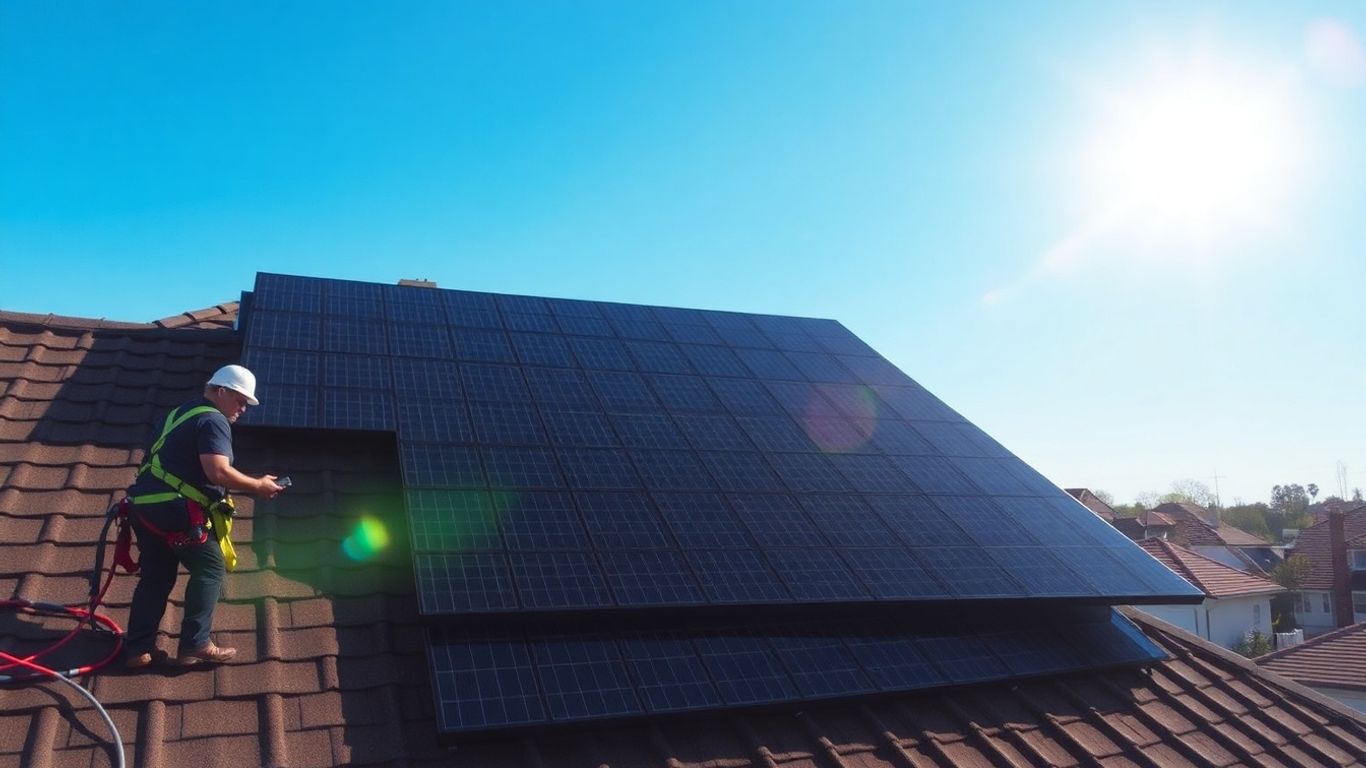
Rooftop solar panel installation with worker and tools.

Regional Differences in Solar Installation Expenses

So, you’re thinking about solar, but wondering if where you live actually matters for the price tag? It totally does. Think about it – labor costs can swing wildly from one province to another in South Africa. Major cities often have higher wages and more demand for installers, which can bump up the price. Plus, some municipalities have really strict rules and more hoops to jump through for permits, adding extra fees. On the flip side, out in the country, you might find lower labor rates, but sometimes getting skilled installers to remote spots or dealing with tricky terrain can add its own set of costs. It’s not just about the installer’s hourly rate; it’s the whole logistical puzzle.

Leveraging National and Local Solar Incentives

This is where things get really interesting and can make a huge difference in your overall investment. While South Africa doesn’t have a widespread federal tax credit like some countries, there are other avenues:

  • Section 12B Tax Allowance: For individuals and businesses investing in renewable energy, there’s a tax allowance that can significantly reduce your taxable income. This is a major incentive currently available.

  • Municipal Rebates: Some cities or municipalities might offer direct rebates or incentives for solar installations, especially those connected to the grid.

  • Eskom Feed-in Tariffs Net Metering: While policies can change, some areas might have arrangements where Eskom or your local municipality will buy back excess electricity your system generates, or allow you to offset your consumption against generation (net metering). Research your local by-laws.

  • Financing Schemes: Government-backed loan schemes or partnerships with financial institutions can make solar more accessible.

It’s super important to research what’s available in your specific area and to consult with installers who are up-to-date on these regulations. Websites like the South African Renewable Energy Association (SARENA) or consulting with your local municipality are good starting points.

Understanding Feed-in Tariffs and Rebate Programs

Beyond upfront incentives, there are programs that help you save money month after month. Feed-in tariffs (FITs) are payments made by a utility company for the renewable electricity generated by your solar panels and fed into the grid. The rates and availability of FITs can vary significantly by municipality and are subject to change. Net metering is another concept where your solar generation is used to offset your grid consumption, and you are billed for the net difference. The specifics of how this is implemented, including any charges or credits for exported energy, depend heavily on your local municipal electricity provider’s policies.

The financial landscape for solar installations in South Africa is evolving. Staying informed about national tax allowances, municipal policies, and Eskom’s regulation

s is key to maximizing your savings and ensuring your solar investment makes the most sense for your budget.

Additional Costs and Potential Downsides of Solar

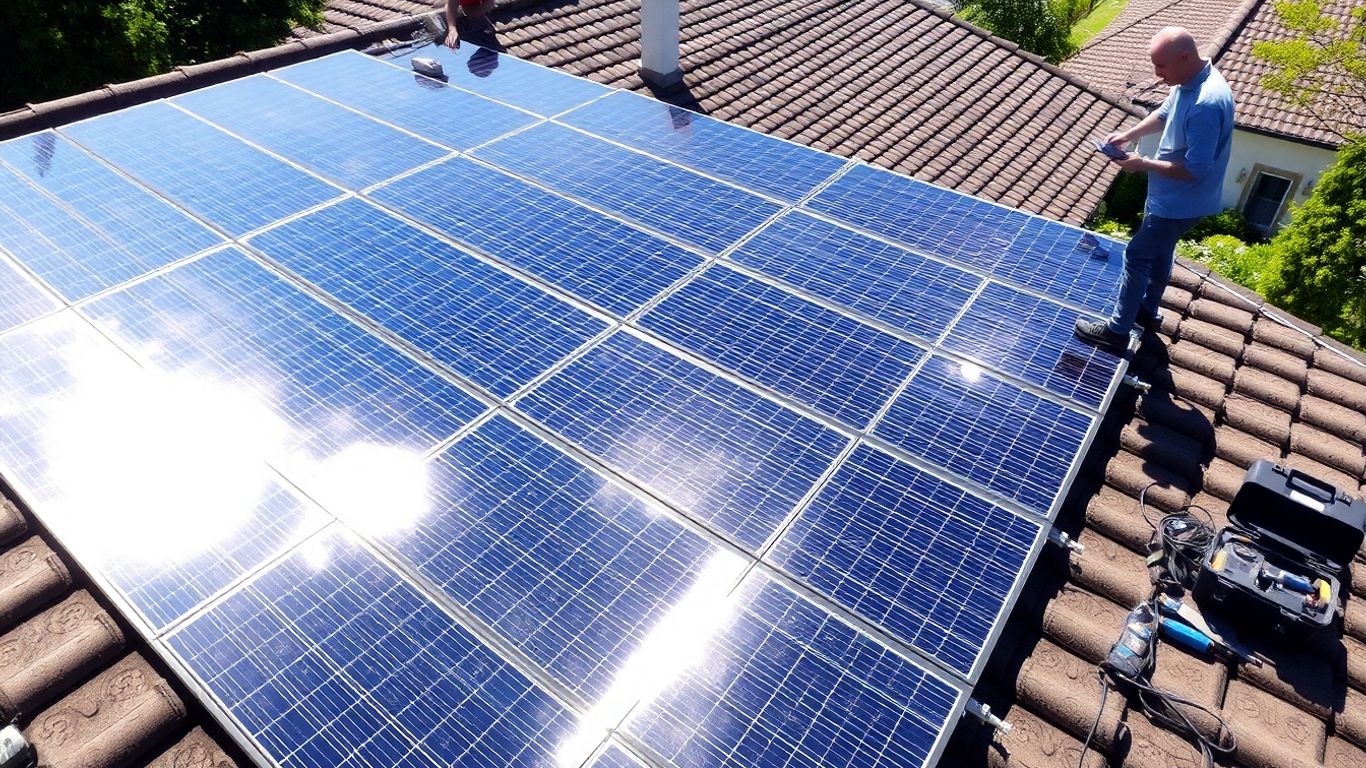
Rooftop solar panel installation with homeowner inspecting.

So, you’re thinking about going solar. That’s great! But before you sign on the dotted line, let’s chat about a few things that might not be front and center in every sales pitch. It’s not all sunshine and savings; there are some extra costs and potential headaches to consider.

The Cost of Solar Battery Storage Systems

If you’re looking to keep the lights on when the sun isn’t cooperating, you’ll likely be eyeing a battery. These systems store excess energy generated during the day for use at night or during power outages. Prices can really add up here. A single battery might set you back around R80,000, but if you’re thinking about a whole-house backup system with a larger capacity, you could be looking at R400,000 or more, and that’s before installation fees.

  • Popular Battery Brands: Expect to pay roughly R80,000 to R150,000 for a good quality home battery, including installation.

  • Larger Systems: For substantial backup power (over 25 kWh), costs can easily exceed R400,000.

While batteries are a significant investment, they offer peace of mind during load shedding and can help you use more of your own solar-generated power, especially during peak electricity rate times.

Insurance Adjustments and Maintenance Needs

Your homeowners insurance might need a little adjustment once those panels are on your roof. It’s not a huge jump, but it’s something to factor in. Some insurers might even suggest a specific rider to make sure your new solar equipment is fully covered. Beyond that, while solar panels are pretty low-maintenance, they aren’t completely hands-off. You’ll want to get them checked out and maybe cleaned professionally once or twice a year to keep them running at their best. Skipping this could mean a slow dip in how much power they generate over time.

It’s wise to get a detailed quote that clearly outlines all potential expenses upfront. This way, you can avoid any unwelcome surprises down the road and have a clear picture of your total investment. Checking out resources for solar incentives can also help offset some of these costs.

Homeowners Association Requirements and Fees

Living in a community with a Homeowners Association (HOA) can add another layer to your solar project. HOAs often have specific rules about how solar panels look and where they can be placed. This might mean you need custom mounting solutions or extra screening to keep things looking a certain way. These requirements can add extra costs to your installation. It’s always a good idea to check your HOA’s guidelines early in the process to understand any potential impacts on your solar plans and budget.

Calculating Your Solar Panel Investment Return

So, you’ve looked into the costs, maybe even gotten a few quotes. Now comes the big question: when will this whole solar thing actually start saving you money? It’s not just about putting panels on your roof; it’s about making a smart financial move.

Estimating Your Solar System's Payback Period

The payback period is basically the time it takes for the money you save on electricity bills to equal the amount you spent on the solar system. Think of it like this: every rand you don’t pay to the utility company is a rand that goes back into your pocket, eventually covering the initial investment.

Several things play a role here:

  • Your System’s Price Tag: Obviously, a cheaper system will pay itself back faster.

  • How Much Electricity You Use: If you’re a big energy consumer, your savings will be higher, shortening the payback time.

  • Local Electricity Rates: If your municipality charges a lot per kilowatt-hour, your solar savings will be more significant. Eskom tariffs and municipal increases are key factors.

  • Sunlight Availability: More sun means more power generated, leading to quicker returns.

  • Incentives and Tax Allowances: Don’t forget these! The Section 12B tax allowance, for instance, can knock a good chunk off your total cost, making your payback period much shorter

Most homeowners find their systems pay for themselves in about 4 to 8 years, depending heavily on electricity tariffs and available incentives. It really depends on your specific situation, but it’s a pretty solid timeframe for a system that’s designed to last 25 years or more.

Long-Term Savings Beyond the Payback Horizon

Once your system has paid for itself, that’s when the real magic happens. For the remaining 15 to 20 years (or even longer!) of its lifespan, the electricity it generates is essentially free. This means you’re looking at substantial savings on your utility bills for well over a decade after you’ve recouped your initial investment.

Consider this:

  • Protection Against Rising Rates: Eskom and municipal electricity prices tend to go up significantly year after year. With solar, you’re locking in your energy costs, shielding yourself from those unpredictable increases and the impact of load shedding.

  • Increased Home Value: Studies show that homes with solar panels often sell for more and faster than comparable homes without them.

  • Environmental Benefits: While not a direct financial return, the peace of mind from reducing your carbon footprint is a significant, albeit intangible, benefit.

The financial journey with solar panels doesn’t end when the payback period is met. It transforms into a long-term source of reduced living expenses and financial predictability, offering benefits that extend far beyond the initial investment recovery.

Methodology for Determining Solar Pricing

Figuring out the exact cost and potential return involves a few steps. It’s not just about looking up a national average. You need to consider the specifics of your home and your energy habits.

Here’s a general approach:

  1. Get Detailed Quotes: Obtain quotes from several reputable solar installers in South Africa. These should break down the cost of equipment, labor, and any permits or certificates.

  2. Calculate Your System Size: Based on your past electricity bills, determine how much energy you use annually. Your installer will help size a system to meet those needs, considering Eskom and municipal tariffs.

  3. Factor in Incentives: Research and apply for all available national and local incentives, such as the Section 12B tax allowance. Consult with your installer about these

  4. Estimate Annual Savings: Use your current electricity rate (from Eskom and your municipality) and the estimated energy production of your proposed system to calculate your yearly savings.

  5. Calculate Payback: Divide the net cost of your system (after incentives) by your estimated annual savings. This gives you your payback period.

For example, if a system costs R350,000, and you get a R105,000 tax allowance (30% of R350,000), making the net cost R245,000. If your annual savings are estimated at R40,000 (considering current electricity prices and potential load shedding), your payback period is R245,000 \/ R40,000 = approximately 6.1 years. After that, you’re saving R40,000 every year for the life of the system.

So, What's the Bottom Line on Solar Costs?

Alright, so we’ve gone through all the nitty-gritty details about what goes into the cost of getting solar panels installed in South Africa. It’s definitely not a small purchase, with most systems landing somewhere between R300,000 and R500,000. But remember, that’s a big upfront number. Think about the long game – those savings on your electricity bills, especially with rising Eskom and municipal tariffs and the reality of load shedding, can really add up over the years, often paying back your investment in about 4 to 8 years. Plus, with the Section 12B tax allowance and other potential incentives, the actual out-of-pocket cost can be a lot less than you might think. It’s all about doing your homework, getting a few quotes from reputable South African installers, and figuring out what makes the most sense for your specific situation. Going solar is a big step, but it could be a really smart one for your wallet and for energy security.

Frequently Asked Questions

What's the typical price for installing solar panels in South Africa?

On average, installing a solar panel system for your home in South Africa costs between R300,000 and R500,000. This price includes the panels, other equipment, and the labor to put it all in place. Keep in mind that this is a general average, and the actual cost can change based on many things.

What are the main things that make solar panel installation more or less expensive in South Africa?

Several things affect the price. The size of the system you need, based on how much electricity you use and your exposure to load shedding, is a big one. The type and brand of panels and other parts like inverters also matter. Where you live in South Africa plays a part too, as labor and permit costs can differ. Even the complexity of your roof can add to the cost.

Are there ways to lower the total cost of solar panels in South Africa?

Yes, there are! The Section 12B tax allowance can significantly reduce your taxable income. Some municipalities might offer rebates. Looking into financing options like solar loans from South African banks can also help manage costs, even though they might add some interest over time.

Do I need to worry about extra costs after the panels are installed?

While the main installation cost is the biggest part, there can be a few other things to consider. Sometimes, your home insurance might go up a little. You might also want to get professional cleaning or check-ups for your panels now and then to keep them working their best. If you have a homeowners association (HOA), they might have specific rules that could add costs.

How long does it take to get my money back from installing solar panels in South Africa?

Most homeowners find that their solar panel system pays for itself within about 4 to 8 years in South Africa. This is called the payback period. After that, you’ll continue to save money on your electricity bills for many years, since solar panels usually last 25 to 30 years or even longer.

Is adding a solar battery a good idea, and how much does it cost in South Africa?

A solar battery stores extra energy your panels produce, so you can use it at night or during power outages (load shedding). A single battery can cost around R80,000 or more, and a bigger system for your whole house can cost much more, sometimes over R400,000 before installation. While it adds to the initial cost, it gives you more energy independence and can help you save money by using stored power during expensive peak hours.

Zensolar

Commercial and residential solar specialists

We help South African families and businesses break free from rising electricity costs with custom solar solutions that can cut your bills by up to 92% from day one. From consultation to installation, we make going solar simple so you can enjoy energy independence and predictable monthly savings In Gauteng, NW, Cape town and KZN

Address

51 Gustav Preller Str, Vorna Valley, Midrand.

Phone

+27 11 045 9062