
Thinking about putting solar panels on your business? That’s a smart move. It can save you money and is good for the planet. But figuring out how to pay for it can be a bit of a puzzle. There are a bunch of commercial solar financing options out there, and they all work a little differently. We’re going to break them down so you can see what makes sense for your company.

Key Takeaways

  • Direct purchase means you own the system outright, leading to the highest potential returns but requiring a big upfront payment.
  • Solar loans offer a way to own the system without paying everything at once, spreading costs over time with interest.
  • Power Purchase Agreements (PPAs) let you buy solar energy from a system installed on your property, but you don’t own it.
  • Solar leases are similar to PPAs, where you rent the solar system itself for a fixed monthly fee, avoiding ownership hassles.
  • When choosing, think about your business’s financial goals, how important sustainability is, and get advice from solar installers.

Understanding Commercial Solar Financing Options

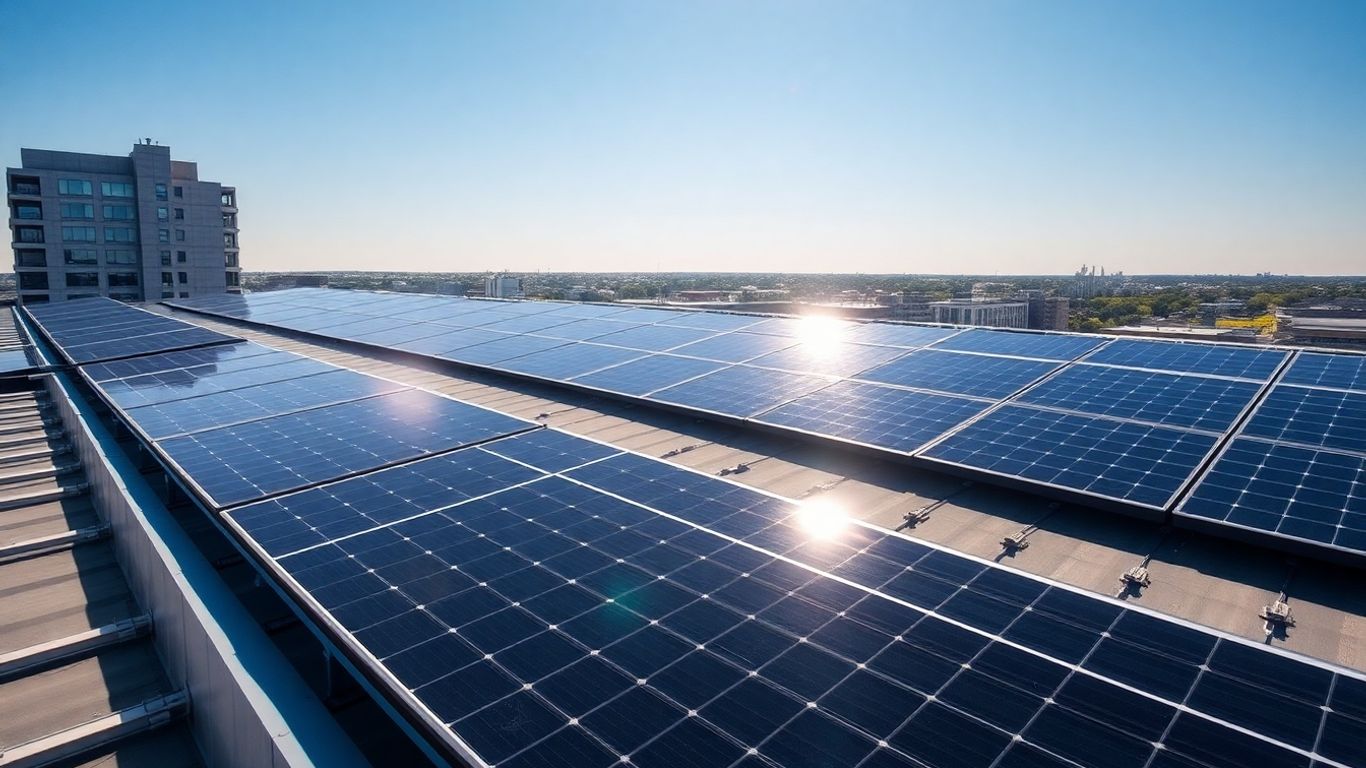
Commercial building rooftop solar panels under sunlight.

Getting a commercial solar setup put in can feel like a big hurdle, especially when you start thinking about how to pay for it all. It’s not like buying a new coffee machine; these systems are a serious investment. But don’t let the sticker shock stop you. There are several ways businesses in South Australia can get solar power without needing a massive pile of cash upfront. Let’s break down some of the most common ways to get your business powered by the sun.

Direct Purchase: Ownership and Maximum Returns

This is the most straightforward approach: you buy the solar system outright. You pay the installer, and the system is yours. This means you own the equipment and get to keep all the energy it produces. Plus, you can claim all the tax benefits and incentives available, which can really add up. The payback period is often quicker because you’re not paying interest or fees to a third party. It does require a good chunk of money to start, though. Think of it like buying a company car versus leasing one – you own it, you benefit from it fully, but you pay for it all at once.

  • Pros: Highest potential return on investment, full control over the system, immediate ownership of all energy produced, eligibility for all tax credits and incentives.
  • Cons: Requires significant upfront capital, responsible for all maintenance and repairs.
With a direct purchase, you’re essentially buying an asset that can pay for itself over time through energy savings and incentives. It’s a commitment, but one that offers the most financial upside if you have the capital.

Solar Loans: Affordable Ownership Pathways

If buying outright isn’t in the cards right now, a solar loan is a great alternative. It’s similar to getting a loan for a car or a home. You borrow money to pay for the solar system, and then you pay back the loan over a set period, usually with interest. The good news is you still own the system, and you can often still take advantage of tax incentives. This spreads the cost out, making solar more accessible without a huge initial outlay. You get the benefits of ownership without the immediate financial strain.

  • Loan Terms: Typically range from 5 to 25 years.
  • Interest Rates: Vary based on lender and your business’s creditworthiness.
  • Ownership: You own the system from day one.

Power Purchase Agreements (PPAs): Renting Solar Energy

A Power Purchase Agreement, or PPA, is a bit different. Instead of buying the system, you agree to buy the electricity it generates from a third-party company that owns and operates the system. You typically sign a contract for a set number of years, and you pay a fixed rate for the power produced. This rate is usually lower than what you’d pay the utility company. The PPA provider handles all the installation, maintenance, and ownership costs. It’s like renting your solar power instead of owning the equipment that makes it.

  • Contract Length: Often 10 to 25 years.
  • Cost: Pay for electricity produced, usually at a lower rate than grid power.
  • Responsibility: System owner handles installation, maintenance, and ownership.

Solar Leases: System Rental for Predictable Costs

A solar lease is another way to get solar without buying the system. With a lease, you pay a fixed monthly fee to use the solar system installed on your property. This fee is generally predictable, helping with budgeting. Like a PPA, the leasing company owns and maintains the system. The main difference from a PPA is that you’re paying for access to the system itself, not necessarily the exact amount of electricity it produces, though your lease payment is often tied to expected energy output. It offers cost certainty and avoids the upfront expense of ownership.

  • Monthly Payments: Fixed and predictable, making budgeting easier.
  • Ownership: The leasing company owns the system.
  • Maintenance: Typically included in the lease agreement.

Exploring Alternative Commercial Solar Financing

Beyond the usual suspects like direct purchase or standard loans, there are some other ways businesses can get solar power without a massive upfront hit. These options often come with different structures and benefits, so it’s worth looking into them.

Energy Service Agreements (ESAs): Integrated Solutions

Think of an ESA as a package deal. A third party installs and owns the solar system on your property. They then sell you the electricity it generates at a set rate, often lower than what you’d pay the utility. The cool part is that they usually handle all the maintenance and upkeep too. This means you get the benefits of solar energy – lower electricity bills and a greener footprint – without the headache of owning or managing the equipment.

  • Predictable Energy Costs: Lock in a rate for your electricity, making budgeting easier.
  • No Upfront Capital: The provider covers the system cost.
  • Maintenance Included: The provider takes care of repairs and upkeep.
  • Environmental Benefits: You still get to claim the green credentials.

Property Assessed Clean Energy (PACE): Tax-Based Financing

PACE is a bit different. It lets you finance solar projects (and other energy upgrades) through your local property taxes. Basically, the loan is tied to the property itself, not to you personally. This can be a big deal because it often means longer repayment terms, sometimes up to 30 years, and the loan can transfer to a new owner if you sell the building. The key is that PACE is only available in areas where local governments have passed specific laws allowing it.

  • Long Repayment Terms: Spread costs over many years.
  • Property-Secured: Loan is tied to the building, not your personal credit score.
  • Potential for Lower Rates: Can sometimes offer better rates than traditional loans.
PACE financing can be particularly attractive for businesses that plan to stay in their location for a long time. It allows for significant solar investments without impacting traditional credit lines and can even increase property value.

Tax Equity Financing Structures

This is where things get a bit more complex, often involving partnerships. Tax equity financing is common for larger projects where the value of tax credits (like the Investment Tax Credit, or ITC) is significant. Essentially, investors provide capital in exchange for the tax benefits generated by the solar project. This can take various forms, such as:

  • Sale-Leasebacks: The project owner sells the system to an investor and then leases it back. The investor gets the tax benefits, and the owner gets upfront cash.
  • Partnership Flips: A partnership is formed where the tax equity investor gets the tax benefits initially, and then their ownership "flips" to the project owner after a certain period.

Debt Financing: Leveraging Financial Institutions

This category includes traditional loans from banks or other lenders, but also more specialized forms of debt. For businesses with strong credit, a standard solar loan can be a good option. However, for those who might not qualify for traditional loans or are looking for different terms, there are other debt products. Asset-backed lending, where the loan is secured by the value of the solar system itself or other business assets, can also be a pathway. The availability and terms will depend heavily on the lender and the specific financial health of the business.

  • Traditional Bank Loans: Straightforward borrowing with interest.
  • Asset-Backed Loans: Uses the solar system or other business assets as collateral.
  • Creditworthiness Matters: Often requires a good credit history for favorable terms.

Key Considerations for Commercial Solar Financing

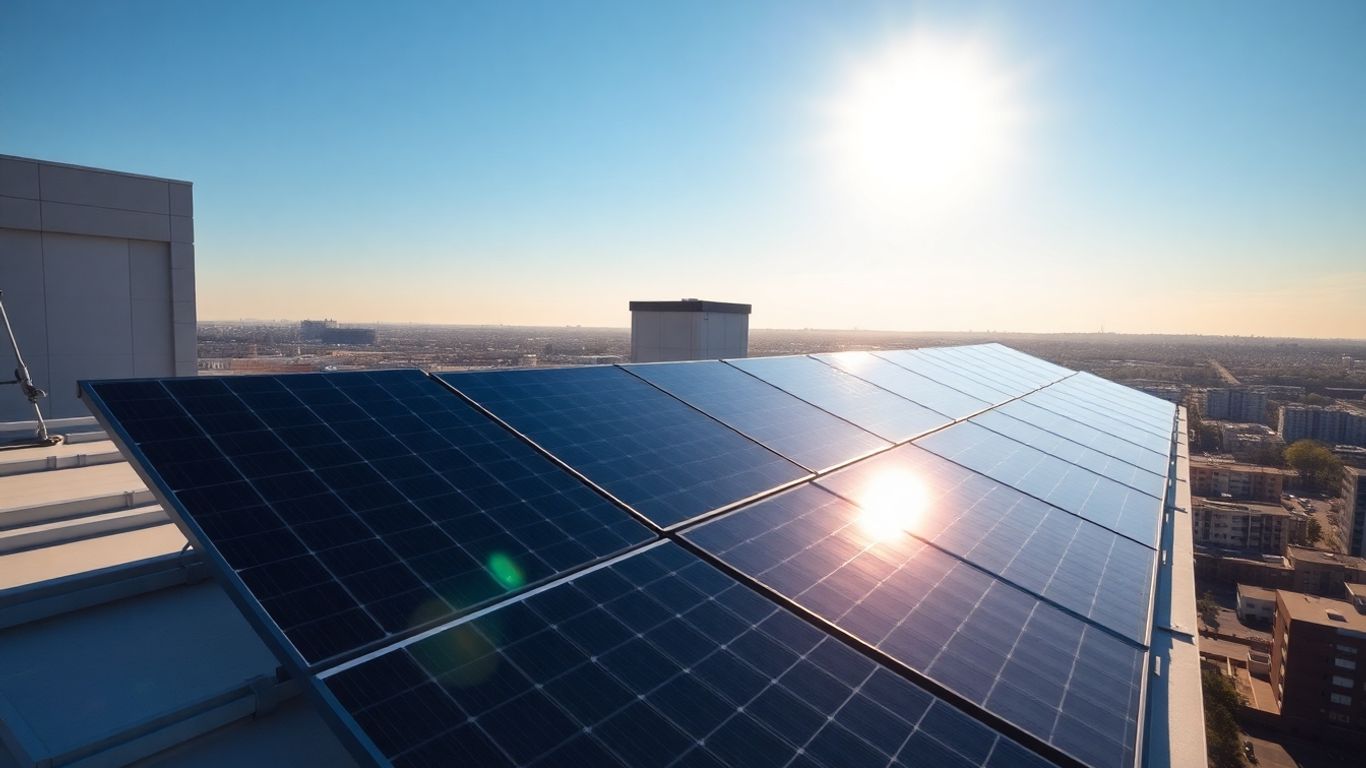
Commercial solar panels on a business building rooftop.

So, you’re thinking about going solar for your business. That’s great! But before you sign on the dotted line for any financing, there are a few things you really need to think about. It’s not just about getting the panels on the roof; it’s about making sure the money side of things makes sense for your company, both now and way down the road.

Project Size and Cost Implications

The sheer scale of your solar project plays a huge role in how you’ll finance it. A massive rooftop installation for a large factory is going to have different financial needs than a smaller system for a retail store. Generally, bigger projects can sometimes get better deals on loans because the overall cost per watt might be lower. Think about it like buying in bulk – you often get a better price. Smaller projects might find leases or Power Purchase Agreements (PPAs) more manageable, especially if the upfront cost is a big hurdle. It’s all about matching the financing tool to the size of the job.

Maximizing Tax Incentives and Credits

This is where things can get really interesting, and potentially save you a ton of money. The government, and sometimes local authorities, offer incentives to encourage businesses to adopt solar. These can come in the form of tax credits, depreciation benefits, or rebates. Understanding which incentives your business qualifies for is absolutely critical before you commit to a financing plan. Some financing options, like direct purchase or solar loans, allow you to directly benefit from these tax advantages. Others, like leases or PPAs, might mean the system owner (not you) claims those benefits. It’s worth talking to a tax professional to make sure you’re not leaving money on the table.

Understanding Operational and Maintenance Responsibilities

Who’s going to keep those panels clean and running smoothly? This is a big one that often gets overlooked. With some financing options, like direct purchase, you’re fully responsible for all maintenance and repairs. That means budgeting for it and having a plan. With others, like PPAs or leases, the company providing the financing often handles the operations and maintenance (O&M) as part of the agreement. This can simplify things for you, but it might also mean a slightly higher monthly cost. You need to weigh the convenience against the potential long-term costs.

Evaluating Long-Term Cost vs. Short-Term Savings

It’s easy to get caught up in the immediate savings a solar system can offer, but you’ve got to look at the bigger picture. A financing option that looks cheap upfront might end up costing you more over the 20 or 25-year lifespan of the system. Conversely, a slightly higher initial investment through a loan might lead to much greater savings down the line, especially if you own the system and benefit from incentives. Consider your business’s financial goals: are you looking for the lowest possible monthly payment right now, or are you aiming for maximum long-term savings and ownership? Investing in solar power is now more cost-effective than relying on the grid, with payback periods ranging from three to six years.

When you’re comparing different financing deals, make sure you’re comparing apples to apples. Look at the total cost over the life of the contract, not just the monthly payment. Factor in potential increases in electricity rates from the utility company, and consider how the value of your property might change with a solar installation.

Here’s a quick rundown of what to consider for each type:

  • Direct Purchase\/Loans: You own the system. This means you get all the tax benefits and incentives, but you’re also responsible for all O&M. Great for long-term savings if you can manage the upfront cost or loan payments.
  • PPAs: You pay for the electricity the system generates, not the system itself. The PPA provider owns and maintains the system. Good if you want low upfront costs and predictable energy bills, but you don’t own the asset or get the tax benefits.
  • Leases: You pay a fixed monthly fee to use the solar system. Similar to PPAs in terms of low upfront cost and no ownership, but you’re leasing the equipment rather than buying the energy.
  • PACE: This is tied to your property taxes. It can offer 100% financing with long repayment terms, but it creates a lien on your property and availability varies by location.

Choosing the Right Commercial Solar Financing Path

So, you’ve looked at all the different ways to pay for a solar setup for your business – direct purchase, loans, leases, PPAs, ESAs, PACE, and even some of the more complex financial structures. Now comes the big question: which one is actually the best fit for your company? It’s not a one-size-fits-all situation, and picking the wrong path could mean you’re not getting the most bang for your buck, or worse, you’re stuck with a deal that doesn’t make sense down the road.

Assessing Your Business's Financial Goals

Think about what you really want to achieve financially with solar. Are you looking to minimize upfront costs as much as possible, even if it means paying a bit more over time? Or is owning the system outright, maximizing long-term savings and taking advantage of all the tax breaks, your main priority? Your company’s cash flow situation is a big factor here too. Some options require a significant chunk of change upfront, while others spread the cost out over many years. It’s like choosing between buying a car with cash or taking out a loan – both get you a car, but the financial impact is quite different.

Here’s a quick look at how different goals might align with financing types:

  • Maximize Ownership & Long-Term Savings: Direct Purchase, Solar Loans
  • Minimize Upfront Costs: Solar Leases, PPAs, ESAs, PACE
  • Predictable Monthly Expenses: Solar Leases, PPAs, ESAs
  • Leverage Tax Benefits: Direct Purchase, Solar Loans (depending on structure)
It’s really about matching the financial tool to your business’s specific needs and risk tolerance. Don’t just pick what sounds easiest; pick what makes the most financial sense for your company’s future.

Aligning Financing with Sustainability Objectives

Beyond the dollars and cents, your business likely has goals related to being more environmentally friendly. How important is it for your company to be seen as a leader in sustainability? Some financing options, like direct purchase, give you full ownership and control, allowing you to claim all the green credentials and potentially sell Renewable Energy Certificates (RECs). Other options, like PPAs or leases, mean you’re essentially buying clean energy without the hassle of ownership, which still contributes to your sustainability targets but might not offer the same level of public recognition or direct financial benefit from environmental attributes.

The Role of Solar Installers in Financing

Don’t try to figure this all out alone. The solar installers you work with are often your best resource for understanding these financing options. They deal with these structures every day and have relationships with various lenders and financial partners. They can help you understand the fine print, compare offers, and explain how each option impacts the overall project cost and your business’s bottom line. A good installer won’t just sell you panels; they’ll help you find the smartest way to pay for them. They can guide you through the process, making sure you understand the implications of each choice before you sign anything. Think of them as your financial co-pilot for your solar journey.

Wrapping It Up

So, going solar for your business is a big step, and figuring out the money part can feel like a puzzle. We’ve looked at a bunch of ways to pay for it, from loans and leases to agreements where you just pay for the power. Each has its own good points and things to watch out for. The main thing is to look at what makes sense for your specific business – how much cash you have upfront, what your long-term goals are, and what kind of control you want over the system. Don’t feel like you have to go it alone; there are plenty of resources and companies out there, like us, ready to help you sort through the options and find the best fit. Making the switch to solar is a smart move for your wallet and the planet, and with the right financing, it’s more achievable than you might think.

Frequently Asked Questions

What's the easiest way to get solar for my business?

Some ways to get solar are easier than others. If you want to pay for it all at once and own it right away, that’s called a ‘direct purchase.’ But if you want to pay less upfront, you might look into ‘solar loans,’ ‘solar leases,’ or ‘Power Purchase Agreements (PPAs).’ With PPAs, you basically rent out your roof space to a solar company that puts up the panels, and you buy the power they make. It’s like renting electricity!

Do I have to pay a lot of money to start using solar?

Not necessarily! While buying solar panels outright costs a lot upfront, there are other options. Solar loans let you borrow money to pay for the system and pay it back over time, much like a car loan. Leases and PPAs mean you pay a monthly fee instead of a big chunk of cash at the beginning.

What's the difference between a solar lease and a PPA?

Think of it like this: with a solar lease, you’re renting the solar panel system itself and paying a set amount each month to use it. With a PPA, you’re agreeing to buy the electricity that the solar panels produce at a set price. In both cases, the solar company usually owns and takes care of the panels.

Can my business get special tax breaks for going solar?

Yes, often! If your business buys the solar system directly, you can usually take advantage of tax credits and other incentives. These can really lower the overall cost. However, if you lease the system or use a PPA, the company that owns the system usually gets the tax benefits, not your business.

What if I don't want to worry about fixing the solar panels?

That’s where options like solar leases and PPAs can be helpful. In these deals, the company that owns the solar system is typically responsible for its upkeep and repairs. This means you can enjoy the benefits of solar power without the hassle of maintenance.

How do I pick the best way for my business to get solar?

It really depends on what your business needs. Think about how much money you have to spend upfront, if you want to own the system, and what your long-term money goals are. Talking to a solar company can help you figure out which financing plan fits best with your business’s budget and green energy goals.

Zensolar

Commercial and residential solar specialists

We help South African families and businesses break free from rising electricity costs with custom solar solutions that can cut your bills by up to 92% from day one. From consultation to installation, we make going solar simple so you can enjoy energy independence and predictable monthly savings In Gauteng, NW, Cape town and KZN

Address

51 Gustav Preller Str, Vorna Valley, Midrand.

Phone

+27 11 045 9062

Join our free news letter?