
Thinking about getting solar panels for your home but can’t swing the big upfront cost? You’re not alone. Many people find the initial price tag a bit much. But what if you could get solar power now and pay for it over time, just like you do for your phone or car? That’s where solar system rent to own comes in. It’s a way to start saving money on your electricity bills without emptying your bank account first. Let’s break down how this works and what you should be looking for.

Key Takeaways

  • Solar system rent to own lets you get solar panels installed and pay for them in monthly installments, avoiding a large upfront payment.
  • The process is often simpler and faster than traditional loans, with many providers offering quick approval.<\/li>
  • With rent-to-own, you can start saving on your electricity bills right away, even while you’re still paying off the system.
  • Unlike leases, rent-to-own typically means you’ll own the system once all payments are made, giving you long-term benefits.
  • When choosing a provider, look for clear contracts, good support, and a solid reputation to ensure a smooth experience.

Understanding Solar System Rent To Own

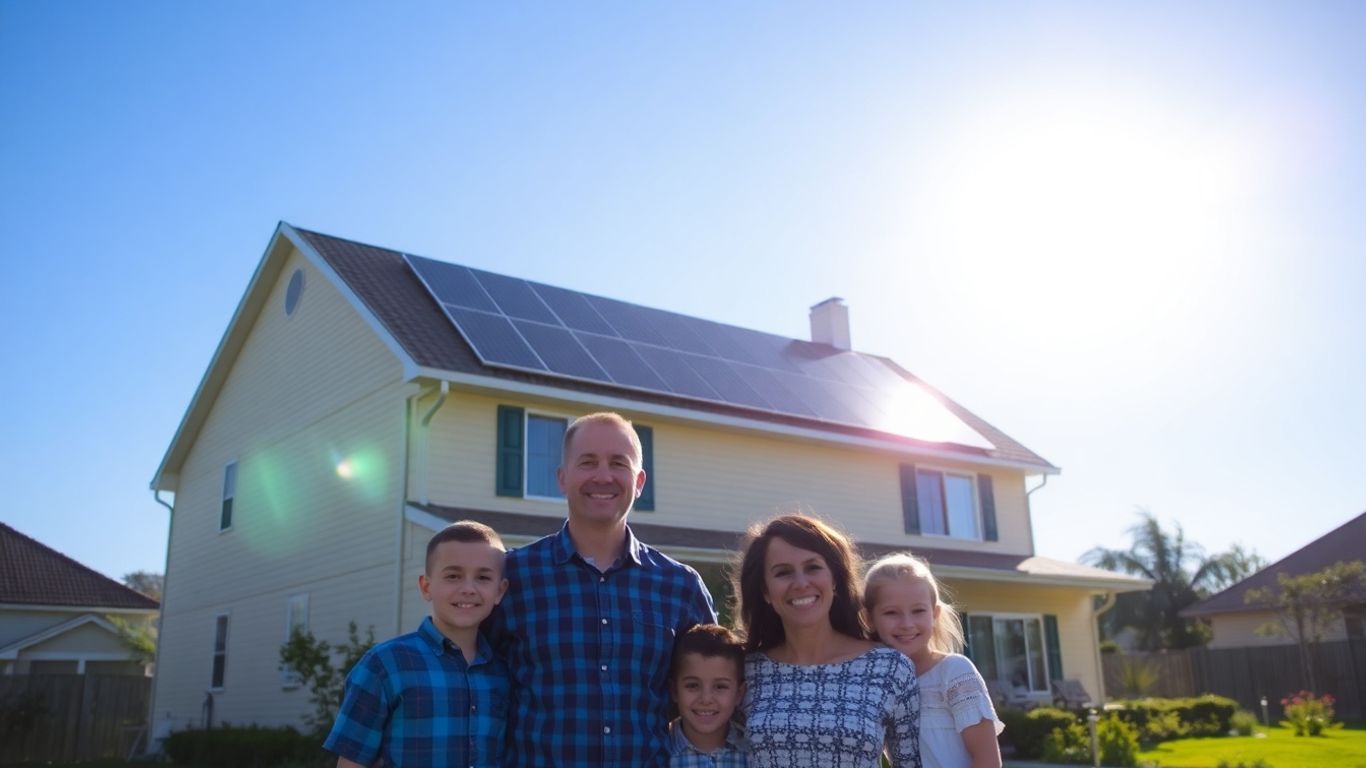
House with solar panels and happy family.

What Is Rent-To-Own Solar?

How Does Rent-To-Own Solar Work?

Think about how you might rent-to-own a washing machine or a car. You get to use it right away, and instead of paying a huge sum upfront, you make smaller, regular payments over time. Rent-to-own solar works pretty much the same way, but for your home’s electricity. It’s a way to get solar panels installed on your roof and start saving money on your electric bills without needing a massive amount of cash saved up. You pay for the system in fixed monthly installments, kind of like a phone bill or a car payment, but for clean energy generation. This approach makes solar power accessible to more people who might otherwise be put off by the initial cost.

Getting started with rent-to-own solar is designed to be straightforward. First, you’ll go through a simple application process to see if you qualify. If approved, a solar system will be designed specifically for your home and then installed. From the moment it’s up and running, you’ll begin to see a reduction in your electricity bills, even while you’re still paying off the system. The payments are typically fixed, meaning you know exactly what you’ll owe each month. Once you’ve completed all the payments, the system is yours to keep, and you’ll continue to enjoy the benefits of generating your own electricity for years to come, usually for the lifespan of the system, which can be 25 years or more.

Here’s a general breakdown of the process:

  • Application & Approval: Submit necessary documents (like ID, proof of income, and a recent electricity bill) for a quick review.
  • System Design & Installation: Once approved, a custom system is designed for your home and installed by professionals.
  • Start Saving: Begin enjoying lower electricity bills immediately after installation.
  • Monthly Payments: Make fixed, predictable payments over an agreed-upon term.
  • Ownership: After the final payment, the solar system is fully owned by you.

Benefits of Rent-To-Own Solar

One of the biggest draws of rent-to-own solar is the lack of a large upfront payment. This removes a major barrier for many homeowners. You also benefit from predictable monthly costs, which can make budgeting easier compared to fluctuating utility bills. Plus, you start saving money on your electricity from day one, even as you’re paying for the system. It’s a way to gain energy independence and hedge against rising electricity prices without the immediate financial strain of a traditional purchase.

Rent-to-own solar is a financial arrangement that allows homeowners to acquire a solar energy system through a series of installment payments. Unlike outright purchase or some lease agreements, the ultimate goal is for the homeowner to own the system after the payment period concludes, providing long-term energy cost savings and independence.

Navigating The Rent-To-Own Solar Process

So, you’re thinking about going solar with a rent-to-own setup. That’s great! It really simplifies things, especially if you’re not keen on a huge upfront cost. Let’s break down how this whole process usually goes down.

Simple And Fast Approval Process

Getting the green light for rent-to-own solar is generally pretty straightforward. Think of it less like a mortgage application and more like getting a new phone plan. Most companies want to make it easy for you to switch to solar. You’ll typically need a few basic things:

Once you submit what they need, they’ll usually review it pretty quickly, often within a couple of business days. They want to get you set up and saving money as soon as possible.

Identification: A valid government-issued ID.

  • Financial Info: Proof of income (like recent pay stubs or tax returns) and sometimes proof of home ownership.
  • Utility Bills: Your most recent electricity bill so they can see your current usage.

What Happens After Approval

Once you’re approved, the ball really starts rolling. The solar company will likely:

  1. Design Your System: They’ll look at your home’s roof and your energy usage to figure out the best solar setup for you.
  2. Finalize the Agreement: You’ll go over the contract, which includes your monthly payment amount and how long you’ll be paying (often up to 5 years).
  3. Schedule Installation: This is the exciting part! The installation team will come and set up your solar panels. This can take a few days, depending on the size of the system.

As soon as it’s installed, you can start seeing a difference in your electricity bills. It’s pretty neat to have your system up and running, generating power for your home.

Payment Options And Flexibility

When it comes to paying for your solar system, rent-to-own plans usually offer some flexibility. You’ll typically have a fixed monthly payment, which makes budgeting easier. Common payment methods include:

  • Post-dated checks: You provide a series of checks for future payments.
  • Bank transfers: Automatic withdrawals from your bank account.

It’s always a good idea to talk to the provider about what options work best for you. They understand that life can throw curveballs, and most are willing to work with you if you anticipate any payment issues. Being upfront about potential payment delays is key to maintaining a good relationship and keeping your system running.

While the goal is always to make payments on time, unexpected situations can arise. Many providers have grace periods or can help you adjust your payment schedule if you communicate with them early. It’s better to discuss a potential problem before it becomes a missed payment.

Key Considerations For Rent-To-Own Solar

When you’re looking at rent-to-own solar, it’s not just about getting panels on your roof. There are a few important things to think about before you sign anything. It’s like picking out a new appliance; you want to make sure it fits your needs and your budget for the long haul.

Zero Downpayment Options

One of the biggest draws for rent-to-own solar is that you often don’t need to put any money down. This is a pretty sweet deal if you want to start saving on electricity bills right away but don’t have a chunk of cash saved up for a big upfront purchase. It makes solar power accessible to more people, which is great for the environment and your wallet. You get the benefits of solar without the initial financial hurdle. It’s a way to get started with clean energy without a huge initial investment.

Fixed Monthly Payments

With a rent-to-own agreement, you’ll typically have a set monthly payment. This is a big plus because it means your electricity costs become more predictable. No more wild swings in your bill based on the weather or energy market prices. You know exactly what you’ll be paying each month for your solar power. This predictability can make budgeting a lot easier. However, it’s worth noting that some contracts might have a small annual increase, often called an escalator. Try to find agreements with low or no escalators to maximize your long-term savings.

Long-Term Savings Potential

While rent-to-own solar offers immediate savings and predictable payments, it’s important to look at the big picture. Over the entire life of the contract, the total amount you pay might be more than if you had bought the system outright or financed it with a loan. This is because the company providing the rent-to-own service is also making a profit. You’re trading potentially higher long-term savings for lower upfront costs and less hassle. It’s a trade-off, and understanding this difference is key to making the right choice for your financial goals. For homeowners in Ontario, installing solar panels can significantly reduce energy bills, potentially by up to 90% installing solar panels in Ontario

Rent-to-own solar is a good option if you want to start saving money on electricity bills quickly without a large upfront payment. It offers predictable monthly costs and removes the responsibility of maintenance. However, it’s important to compare the total cost over the contract’s life with other solar options to ensure it aligns with your long-term financial strategy.

Comparing Solar Options

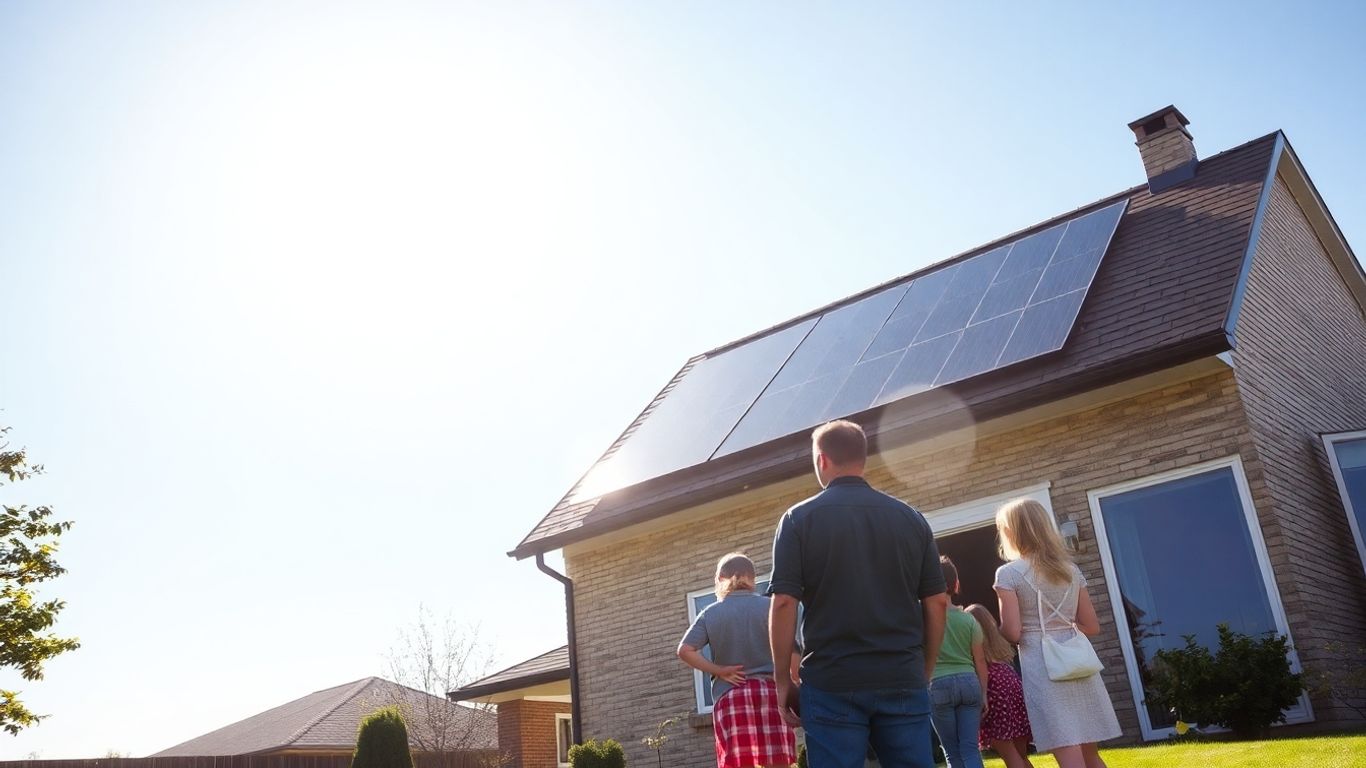
Solar panels on a house roof with family below.

So, you’re thinking about going solar, which is awesome! But then you start looking into it, and suddenly there are leases, power purchase agreements, and outright buying. It can feel like a whole new language. Let’s break down how rent-to-own solar stacks up against some of the other ways people get solar panels on their roofs.

Rent-To-Own Versus Traditional Purchase

When you think about buying something big, like a car or a house, you usually either pay cash or get a loan, right? Solar panels are kind of the same. A traditional purchase means you’re buying the system outright, either with cash you’ve saved or by taking out a solar loan. This means you own the panels from day one. You’re eligible for all the tax credits and incentives, which can really knock down the upfront cost. Plus, owning the system can add value to your home when you decide to sell.

On the flip side, rent-to-own is more like renting an apartment with the option to buy it later. You don’t own it initially, but you’re paying a monthly fee that, over time, might lead to ownership. The big draw here is usually the low or zero upfront cost. You get the benefits of solar energy without a huge initial investment.

Here’s a quick look at the main differences:

  • Ownership: With a traditional purchase, you own it. With rent-to-own, you typically don’t own it until the end of the contract.
  • Upfront Cost: Traditional purchase can have a high upfront cost (unless you get a loan). Rent-to-own usually has a very low or zero upfront cost.
  • Incentives: Owning the system means you can claim tax credits and other incentives. With rent-to-own, the company that owns the system usually gets these.
  • Home Value: Owning solar panels can increase your home’s value. Rent-to-own systems might not add as much or could even complicate a sale.

The choice between buying and rent-to-own really comes down to your financial situation and how long you plan to stay in your home. If you have the cash or can get a loan and plan to stay put for a while, owning might be better for long-term savings. If you want solar now with minimal upfront cash, rent-to-own could be the way to go.

Lease Agreements Versus Rent-To-Own

Okay, so rent-to-own and leases sound pretty similar, and honestly, they are in a lot of ways. Both involve a third party installing and owning the solar panels on your roof. You pay a monthly fee for the electricity they generate or for the use of the equipment. The biggest difference often comes down to the contract’s end goal. With a lease, you’re essentially just renting the panels for a set period, and at the end, you might have options to renew, remove the system, or sometimes buy it out. Rent-to-own, as the name suggests, is structured with the eventual goal of you owning the system, often after a specific number of payments.

  • Monthly Payments: Leases often have fixed monthly payments. Rent-to-own payments might also be fixed, but the structure is geared towards eventual ownership.
  • End of Contract: Lease agreements might require you to renew, buy out, or have the system removed. Rent-to-own contracts usually have a clear path to ownership.
  • Ownership Path: This is the key differentiator. Leases don’t always include ownership. Rent-to-own is designed for it.

Power Purchase Agreements Explained

Power Purchase Agreements, or PPAs, are another common way to get solar without buying the system yourself. Like leases and rent-to-own, a PPA provider installs and owns the solar panels. You don’t pay for the panels themselves. Instead, you agree to buy the electricity the panels produce at a set rate, usually lower than what your utility company charges. So, instead of paying a fixed monthly fee for the equipment (like in a lease), you pay for the actual energy generated. This means your monthly bill can fluctuate based on how sunny it is and how much power the system produces. If the panels produce less energy one month, your bill will be lower. This can lead to higher long-term savings<\/a> compared to a fixed lease payment, especially if energy prices rise significantly. However, like leases, you don’t own the system, so you miss out on tax credits and potential home value increases.

What To Look For In A Solar Provider

So, you’re thinking about going solar with a rent-to-own setup. That’s great! But before you sign on the dotted line, it’s super important to pick the right company. Not all solar providers are created equal, and a bad one can make your whole experience a headache. Let’s break down what you should be looking for.

Transparency In Contracts

This is a big one. You need to know exactly what you’re signing up for. Read everything. Seriously. Look for clear language about:

  • Your monthly payment: Is it fixed, or will it go up each year? Some contracts have what’s called an “escalator clause” that makes your payments increase over time. You want to avoid those if possible.
  • What happens if you move: Can you transfer the agreement to the new homeowner, or do you have to buy out the system?
  • System ownership: Who owns the panels? In a rent-to-own agreement, the company owns them, but it’s good to be clear on the terms for when the contract ends.
  • Maintenance responsibilities: Who fixes things if they break?

Don’t be afraid to ask questions until you’re completely satisfied. If a company is pushy or avoids explaining things, that’s a red flag.

A contract is a legal document that outlines your rights and responsibilities. If you don’t understand a section, ask for clarification or have a legal professional review it. It’s better to spend a little extra time now than to deal with unexpected issues later.

Maintenance And Support

Even though you’re renting the system, it’s still your home it’s attached to. What happens if something goes wrong? A good provider will have a clear plan for maintenance and repairs. You don’t want to be stuck with a broken system and still have to pay your full electric bill, plus the rent. Ask about:

  • Response times: How quickly will they address an issue?
  • Repair costs: Are repairs covered under the agreement, or will you have to pay extra?
  • System monitoring: Do they offer a way for you to see how your system is performing?

Provider Reputation And Backing

Do your homework on the company. Look for reviews from other customers. Are they generally happy, or are there a lot of complaints about customer service, billing, or installation problems? Check out their history and how long they’ve been in business. A company that’s been around for a while and has good reviews is usually a safer bet. You can check out resources that compare solar companies<\/a> to get a better idea of who’s out there and what people are saying about them. It’s also worth seeing if they have strong backing, like partnerships or certifications, that show they’re serious about the solar business.

Addressing Potential Challenges

Okay, so you’re thinking about going with a rent-to-own solar setup. That’s pretty cool, but like anything, there are a few bumps in the road you should know about. It’s not all sunshine and rainbows, right?

Handling Missed Payments

Life happens and sometimes bills get missed. If you miss a payment on your rent-to-own solar agreement, the first thing to do is contact the company you’re working with. Don’t just ignore it. They usually have options, like setting up a payment plan or a temporary deferral. Ignoring missed payments can lead to late fees and, in the worst-case scenario, the removal of your solar system. It’s way easier to sort things out early.

Here’s a quick rundown of what to expect:

  • Immediate Contact: Reach out to the provider as soon as you know you’ll miss a payment.
  • Review Your Contract: See what the agreement says about late payments and grace periods.
  • Discuss Options: Work with the provider to find a solution that fits your situation.
  • Avoid System Removal: This is the biggest risk, so do everything you can to prevent it.

Understanding Contract Terms

Contracts can be confusing, and solar agreements are no different. You’ve got to read the fine print. Things like the length of the contract, what happens at the end of it, and any hidden fees are super important. Some contracts might have an “escalator clause,” which means your monthly payment goes up a little each year. It’s usually a small percentage, but it adds up over time.

Pay close attention to the total amount you’ll pay over the life of the contract. Make sure it makes sense for your budget and your long-term goals. Don’t be afraid to ask questions until you’re absolutely sure you understand everything.

System Ownership and Future Options

With rent-to-own, you don’t own the system outright from day one. That means you can’t take advantage of certain tax credits or incentives that people who buy solar panels get. Also, if you decide to sell your house, a leased system can sometimes make things a bit trickier. Buyers might be hesitant to take over a contract. You’ll need to figure out if the contract allows for transfer, and if there are any costs associated with that. At the end of the lease term, you’ll typically have options like buying the system, renewing the lease, or having it removed. Knowing these options beforehand helps you plan for the future.

Wrapping It Up

So, that’s the lowdown on rent-to-own solar. It really seems like a smart move for a lot of people who want to cut down on those high electricity bills but can’t swing the big upfront cost. You get the panels on your roof, start saving right away, and pay it off over time without a huge initial hit. Just remember to check out the company you’re dealing with, understand the payment terms, and know what happens if you miss a payment. It’s not quite as simple as buying a new phone, but the long-term savings can be pretty significant. Going solar this way makes clean energy a lot more reachable for everyday families.

Frequently Asked Questions

What exactly is solar rent-to-own?

Think of it like renting an apartment but with an option to buy it later. With solar rent-to-own, you get solar panels installed on your roof and start using the clean energy right away. You make regular monthly payments, similar to a phone bill or car payment, for a set period. Once you’ve finished all the payments, the solar system becomes yours!

How does the rent-to-own solar process work?

It’s pretty straightforward! First, you apply, and the company checks if you qualify. If you’re approved, they’ll design a solar system for your home. Then, they install it. You start making fixed monthly payments, and you begin saving money on your electricity bills almost immediately. After you’ve paid off the system over an agreed-upon time, usually up to 5 years, you own it completely.

Do I have to pay a lot of money upfront to get started?

Not necessarily! Many rent-to-own solar programs are designed to have zero down payment options. This means you can start enjoying lower electricity bills without needing a large amount of cash to begin with. Some plans might let you make a down payment if you want to lower your monthly payments, but it’s often optional.

What happens if I miss a payment?

Most companies understand that sometimes things happen. They usually send reminders before payments are due. If a payment is late, there might be a small penalty, but it can often be avoided if you pay quickly. If payments are missed for a longer time, the company might temporarily turn off your system or, in some cases, remove it. It’s best to talk to the provider as soon as possible if you think you might have trouble paying.

What's the difference between rent-to-own solar and leasing solar panels?

The biggest difference is who owns the system in the end. With rent-to-own, you eventually own the solar panels after you finish paying. With a solar lease, you’re essentially renting the panels for a set number of years, and the company that installed them keeps ownership. This means you usually don’t get tax benefits with a lease, and you won’t own the system afterward.

What should I look for when choosing a solar provider for rent-to-own?

It’s important to find a provider that is clear and honest about everything. Read the contract carefully to understand all the terms, especially the payment schedule and what happens if you miss a payment. Check if they offer good support and maintenance for the system. Also, look into the company’s reputation – are they well-known and reliable? A good provider will explain everything simply and make sure you feel comfortable with the agreement.

Zensolar

Commercial and residential solar specialists

We help South African families and businesses break free from rising electricity costs with custom solar solutions that can cut your bills by up to 92% from day one. From consultation to installation, we make going solar simple so you can enjoy energy independence and predictable monthly savings In Gauteng, NW, Cape town and KZN

Address

51 Gustav Preller Str, Vorna Valley, Midrand.

Phone

+27 11 045 9062