
Thinking about going solar in South Africa? An 8kW solar system is a popular choice for many homes and small businesses. It’s a good size, not too big, not too small, and can really make a difference to your electricity bills. But is it the right fit for you? We’ll look at the 8kw solar system price in South Africa, what you can expect in terms of power, and if it’s a good investment for your situation. Let’s break it all down.

Key Takeaways

  • The average 8kW solar system price in South Africa can vary, but generally falls between R100,000 and R180,000 before any potential rebates or incentives.

  • An 8kW system typically uses between 20 to 22 solar panels, depending on their wattage, and requires about 30-40 square meters of suitable roof space.

  • You can expect an 8kW system to generate roughly 10,400 kWh of electricity annually, which could significantly cut your monthly electricity costs.

  • While solar panels are built to last 25-30 years, the inverter might need replacing sooner, usually around the 10–15-year mark.

  • Adding battery storage to your 8kW system allows you to use more of your own generated power, especially during load shedding, though it adds to the initial cost.

Understanding 8kW Solar System Costs in South Africa

Average 8kW Solar System Price

So, you’re thinking about an 8kW solar system for your place in South Africa? That’s a pretty common size, good for many homes and even some small businesses. But what’s it actually going to set you back? It’s not a simple number, really. Prices can swing quite a bit. Generally, you’re looking at a ballpark figure, but let’s break down what influences that number.

Factors Influencing System Cost

Several things play a role in the final price tag of your 8kW solar setup. It’s not just about the panels themselves. Think about the brand of panels and the inverter you choose – higher-end stuff usually costs more but might last longer or perform better. The complexity of your roof is another big one; a simple, flat roof is easier and cheaper to work on than a steep, multi-angled one. Then there’s the installer themselves; their experience and where they’re based can affect labor costs. Don’t forget about things like mounting hardware, wiring, and any extra bits for monitoring your system’s performance.

Here’s a rough idea of where the money goes:

  • Solar Panels: This is usually the biggest chunk.

  • Inverter: The brain of the operation.

  • Mounting System: What holds the panels on your roof.

  • Installation Labor: The actual work of putting it all together.

  • Ancillary Components: Wiring, connectors, and safety gear.

  • Permits & Inspections: Necessary paperwork.

Component Cost Breakdown

Let’s get a little more specific about the parts. While exact figures change, understanding the breakdown helps. For an 8kW system in South Africa, you might see costs distributed something like this:

colgroup

Component

Estimated Cost Range (ZAR)

Percentage of Total

Solar Panels

R 80,000 – R 150,000

40-50%

Inverter

R 15,000 – R 35,000

15-20%

Mounting Hardware

R 10,000 – R 20,000

10-15%

Installation Labor

R 30,000 – R 60,000

20-30%

Other Components

R 5,000 – R 15,000

5-10%

Keep in mind, these are just estimates. The actual price you get will depend on the specific products chosen and the installer’s quote. It’s always a good idea to get a few quotes to compare.

The cost per kilowatt (kW) for solar installations in South Africa is generally competitive compared to many other countries. This makes an 8kW system a potentially good investment, but the total upfront cost can still be substantial, requiring careful budgeting and consideration of available financing options.

Assessing Your Energy Needs for an 8kW System

So, you’re thinking about an 8kW solar system. That’s a pretty substantial setup, and it’s a popular choice for a reason. But is it the right fit for your<\/em> home? It really boils down to how much electricity you actually use.

Is an 8kW System Suitable for Your Household?

An 8kW system is generally a good match for larger homes or households with higher-than-average electricity bills. If you’ve got a lot of people living under one roof, or if your home is packed with energy-hungry appliances, an 8kW system might be just what you need. It’s also a consideration if you’re planning to add things like an electric vehicle (EV) charger down the line.

The key question is: how much power do you consume daily?

Determining Your Daily Energy Consumption

Your electricity bill is your best friend here. Look for your total kilowatt-hour (kWh) usage over a month or a year. Then, divide that by the number of days to get your average daily consumption. For example, if your bill shows you used 600 kWh last month, your average daily use is about 20 kWh.

Here’s a quick way to estimate if an 8kW system could cover your needs:

  • Check your electricity bill: Find your total monthly kWh usage.

  • Calculate daily average: Divide monthly kWh by 30 (or the number of days in the billing period).

  • Compared to system output: An 8kW system, under ideal conditions, can produce roughly 24-32 kWh per day (assuming 3-4 peak sun hours). If your daily usage is consistently higher than this, an 8kW system might not be enough on its own.

Impact of Lifestyle and Appliances on Power Needs

Your daily habits play a huge role. Do you work from home? That means lights, computers, and other devices are running all day. Do you have a family that uses multiple appliances simultaneously – washing machines, dryers, dishwashers, air conditioning? These all add up.

Consider these factors:

  • Appliance Load: High-consumption items like electric ovens, geysers, air conditioners, and pool pumps significantly increase your energy demand.

  • Occupancy:  A full house with everyone home during the day uses more power than an empty house.

  • Future Plans: Are you thinking about getting an EV, installing a pool, or adding a home office? Factor these potential increases into your calculations now.

Understanding your current energy habits and future needs is the most important step before deciding on a solar system size. It’s better to have a system that slightly overproduces than one that constantly falls short of your demands. This avoids the disappointment of still having high electricity bills even after going solar.

If your average daily usage is around 20 kWh and you have good sun exposure, an 8kW system is likely a solid choice. If you’re using much more, say 30 kWh or more per day, you might need to look at a larger system or consider how battery storage could help manage your energy use more effectively.

Performance and Energy Generation of an 8kW Solar System

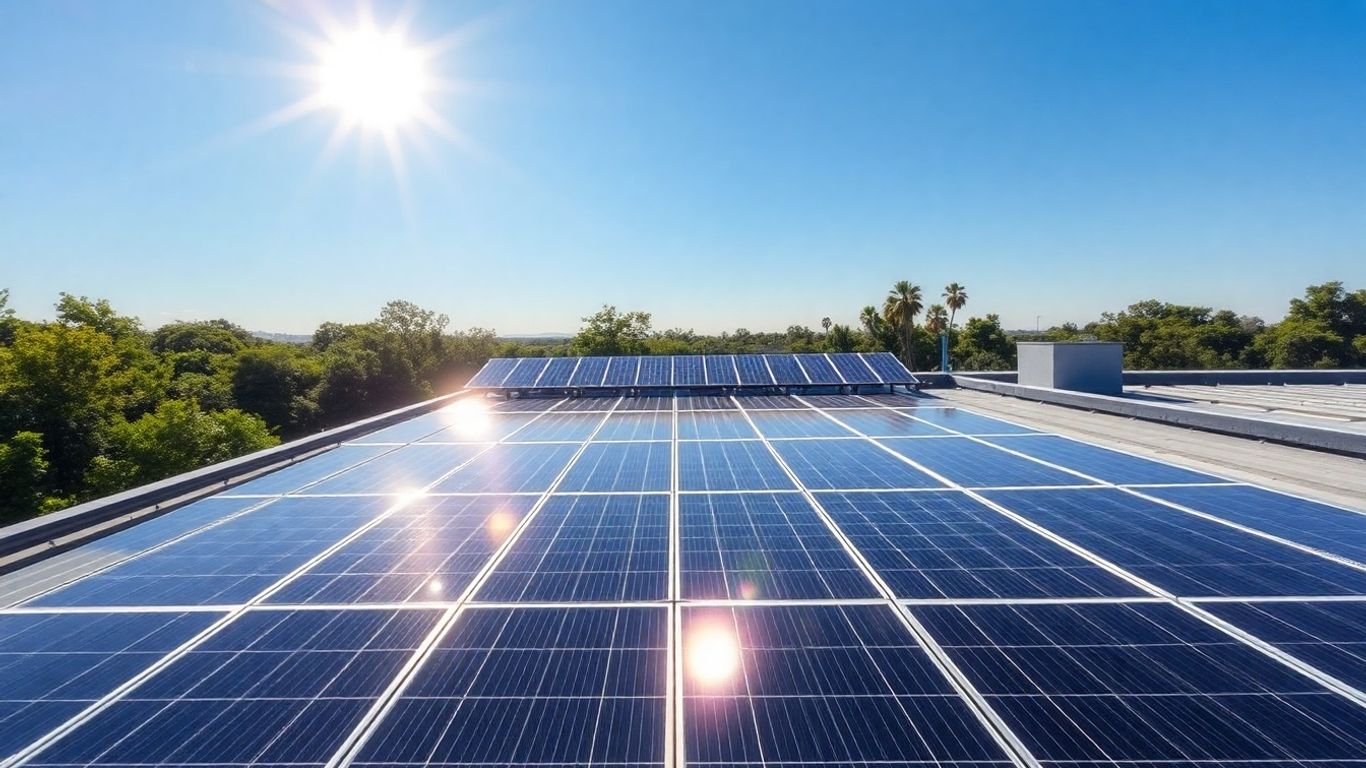
Rooftop solar panel system under a bright sun.

So, you’re thinking about an 8kW solar system. That’s a pretty common size, and it’s good to know what you can actually expect it to do in terms of making electricity. It’s not just about the \”8kW\” number; a bunch of things affect how much power you’ll get.

Expected Monthly Energy Output

An 8kW system, under good conditions, can produce a decent amount of electricity each month. We’re talking roughly 700 to over 1,100 kilowatt-hours (kWh) per month. This number can really jump up if you’re in a sunnier part of South Africa and your panels are set up just right. Think of it like this: more sun means more power.

Factors Affecting Solar Production

Several things play a role in how much electricity your panels actually generate. It’s not always a straight line from \”8kW\” to \”X kWh\” every single day.

  • Sunlight: This is the big one. More direct sunlight means more power. Cloudy days or even just the time of year can change things.

  • Panel Angle and Direction: In South Africa, panels facing north generally get the most sun throughout the day. If your roof faces a different direction, you’ll still get power, but maybe a bit less.

  • Shading: Trees, chimneys, or even other buildings can cast shadows on your panels. Even a little bit of shade can surprisingly cut down on how much electricity is produced.

  • Temperature: Believe it or not, really hot days can actually make solar panels a little less efficient. They work best when they’re warm but not scorching hot.

  • Panel Condition: Dirty panels won’t catch as much sun. Keeping them clean makes a difference.

The actual amount of electricity your 8kW system generates isn’t fixed. It’s a dynamic number that changes daily based on weather, season, and how your panels are positioned. It’s important to have realistic expectations based on your specific location and roof.

Panel Configuration and Roof Space Requirements

To get that 8kW capacity, you’ll need a certain number of solar panels. The exact number depends on the wattage of each individual panel. Most modern panels are around 400W, meaning you’d typically need about 20 panels for an 8kW system. If you use slightly lower wattage panels, say 350W, you might need around 23 panels.

Here’s a quick look at how panel wattage affects the number needed:

colgroup


Panel Wattage

Panels Needed for 8kW

350W

23

375W

22

400W

20

420W

19

As for space, you’re generally looking at needing around 35 to 40 square meters (about 375 to 430 square feet) of clear roof space. This is to fit all those panels without them being too crowded or overlapping, which would hurt their performance. It’s always best to have a professional check your roof to see if it’s suitable and how much space you actually have available.

Financial Benefits and Return on Investment

So, you’re thinking about an 8kW solar system. That’s a pretty big step, and naturally, you’re wondering about the money side of things. It’s not just about going green; it’s about making a smart financial move too. Let’s break down what you can expect to save and how long it’ll take to get your initial investment back.

Potential Monthly Electricity Bill Savings

This is usually the first thing people want to know. With an 8kW system, you’re looking at potentially slashing your electricity bills significantly. How much you save really depends on how much power you use and how much of that you can generate yourself. If you’re good about using your solar power when the sun’s shining – think running the washing machine or dishwasher during the day – you’ll see bigger savings. Some folks can even see their bills drop by hundreds of Rand each month. It’s not uncommon for an 8kW system to offset a large chunk, if not all, of your typical monthly electricity costs.

Here’s a rough idea of what you might save:

Remember, these numbers are just estimates. Your actual savings will depend on your specific usage and local electricity rates.

Calculating Your System's Return on Investment

colgroup

Factor

Estimated Value (Annual)

Energy Production

~10,400 kWh

Average Electricity Cost

R 2.25 /kWh

Potential Savings

R 23,400

Okay, so you’re saving money each month, but when do you actually get your upfront cost back? That’s the Return on Investment (ROI) question. It’s basically figuring out how long it takes for your savings to equal what you initially paid for the system. Several things play a role here: the total cost of your system (after any tax credits or rebates), how much you save on your bills each year, and how much electricity your system actually produces.

The payback period is a key metric, but don’t forget to factor in the lifespan of the system. Even after you’ve recouped your initial investment, the system will continue to generate savings for many years to come.

Generally, for an 8kW system, the payback period can range from about 5 to 12 years. It sounds like a while, but think about it – you’re essentially getting a free electricity supply for the rest of the system’s life after that point.

Long-Term Savings Over System Lifespan

This is where solar really shines. Solar panels are built to last, typically with warranties of 25 years or more. Inverters might need replacing sooner, maybe after 10-15 years, but the panels themselves keep producing power for a very long time. Over the 25-year lifespan of your system, the total savings can add up to tens of thousands of Rand. It’s a significant investment upfront, for sure, but the long-term financial payoff is pretty substantial. You’re not just saving on electricity; you’re also adding value to your home and making a positive environmental impact, which is a nice bonus.

Solar System Longevity and Maintenance

So, you’ve got your 8kW solar system humming along, powering your home. That’s great! But how long will it actually last, and what do you need to do to keep it running smoothly? It’s not just a ‘set it and forget it’ kind of deal, though it’s pretty close.

Expected Lifespan of Solar Panels and Inverters

When you invest in solar, you’re looking at a long-term commitment. The panels themselves are built tough and are designed to withstand the elements for a good while. Most solar panels come with a warranty of at least 25 years, and many are expected to keep producing power for 30 years or even longer. Of course, they won’t be as zippy as they were on day one, but they’ll still be working. The inverter, which is like the brain of your system, usually has a shorter lifespan, often needing replacement after 10 to 15 years. So, keep that in mind when budgeting for the future.

Understanding Panel Degradation

Over time, solar panels do lose a bit of their efficiency. This is a natural process called degradation. Think of it like anything else that sits out in the sun and weather – it ages. On average, panels might lose about 0.8% of their performance each year. This means that after about 25 years, you might be looking at around 80% of their original output. Higher quality panels tend to degrade a bit slower, so it’s worth asking about that when you’re shopping around. You can find out more about different solar system sizes and their potential lifespans.

The Role of Regular Maintenance

While solar panels don’t need a ton of upkeep, a little bit goes a long way. Keeping them clean is probably the most important thing. Dust, dirt, and bird droppings can build up and actually block sunlight, which means less power generation. How often you need to clean them really depends on where you live – if you’re in a dusty area or have lots of trees, you might need to do it more often. It’s also a good idea to have a professional check the system every few years to make sure everything is connected properly and working as it should. This kind of basic care helps ensure your system keeps performing well for years to come.

Keeping your solar panels clean is one of the simplest yet most effective ways to maintain their performance. A bit of water and a soft brush can make a big difference in how much electricity your system generates.

Exploring Battery Storage Options

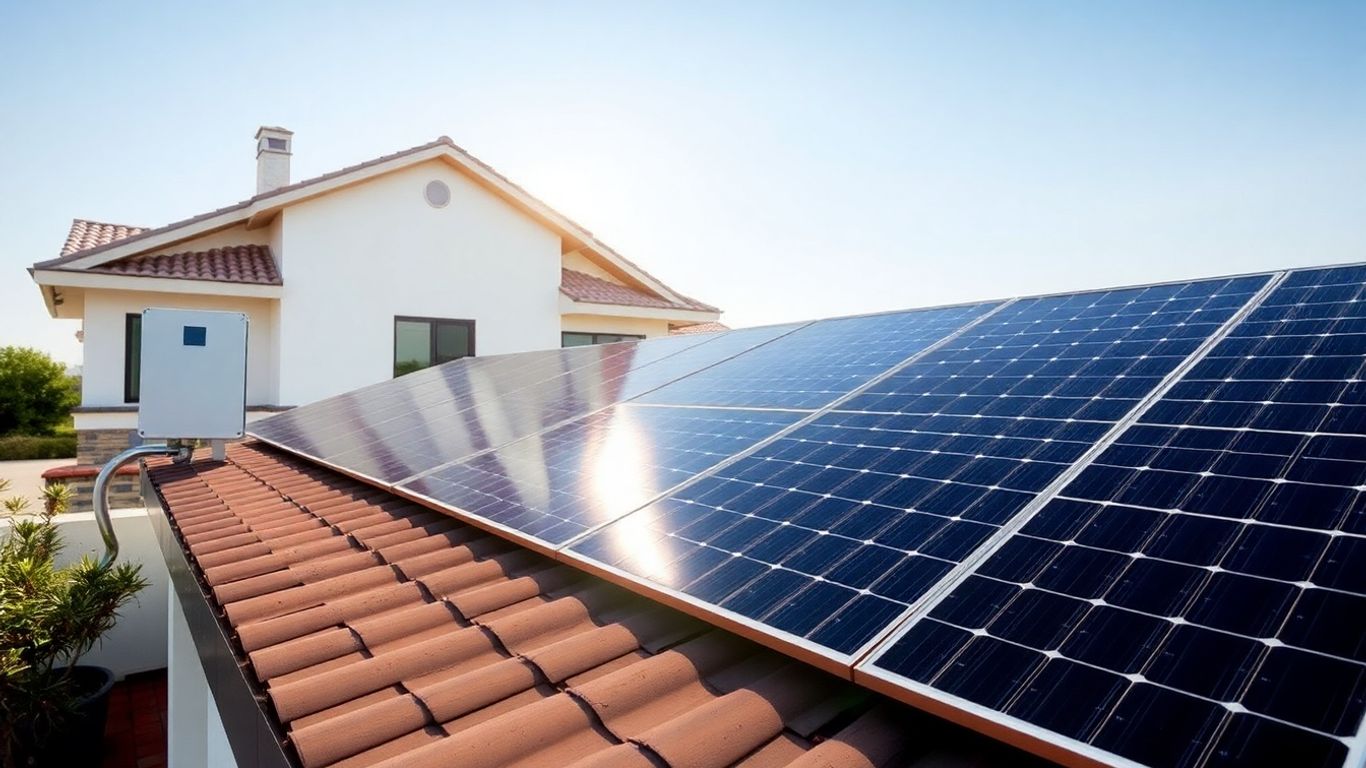
Solar panels on a roof with a battery storage unit.

So, you’ve got your 8kW solar system humming along, making all that clean energy. That’s great! But what happens when the sun goes down, or when there’s a power outage? That’s where battery storage comes into play. Pairing your solar panels with a battery system lets you store excess energy generated during the day for later use.<\/strong> This means you can keep the lights on, run your appliances, and stay comfortable even when the grid is down or when electricity prices are high.

Benefits of Pairing Batteries with Solar

Adding a battery to your solar setup isn’t just about having backup power. It opens up a whole new level of energy independence and savings:

  • Increased Self-Consumption: Without a battery, a lot of the solar energy you produce during peak sun hours might go back to the grid if you’re not using it. A battery lets you store that energy and use it yourself, significantly boosting how much of your own generated power you actually consume.

  • Power Outage Protection: This is a big one for many people. When the grid goes down, your battery can kick in and keep essential appliances running, so you’re not left in the dark.

  • Peak Shaving & Load Shifting: In some areas, electricity costs more during certain times of the day (peak hours). A battery can store cheaper solar energy and then discharge it during these expensive peak times, saving you money on your electricity bill.

  • Grid Independence: The more you can rely on your own stored solar energy, the less you need to depend on the utility company.

Factors to Consider for Battery Installation

Thinking about a battery? It’s not a one-size-fits-all deal. You’ll want to think about a few things:

  • Capacity (kWh): How much energy do you need to store? This depends on your daily energy usage and what you want to power during an outage or at night. A common setup might involve an 8kWh battery, but larger or smaller options exist.

  • Power Output (kW): This is about how much power the battery can deliver at once. If you have high-demand appliances, you’ll need a battery that can handle that load.

  • Lifespan and Warranty: Batteries have a limited number of charge cycles and a warranty period. Look for reputable brands with good warranties.

  • Cost:<\/strong> Batteries add a significant cost to a solar system. You’ll need to weigh this against the potential savings and benefits.

  • Space:<\/strong> Batteries need a place to be installed, usually indoors or in a protected outdoor space. Make sure you have adequate room.

Enhancing Self-Generated Power Consumption

When you install solar panels, the goal is often to use as much of that clean energy as possible. Without a battery, a typical household might only use about 30% of the solar energy they generate, sending the rest back to the grid. Adding a battery can dramatically change this. By storing that midday sun, you can easily push your self-consumption rate up to 60% or even higher. This means you’re relying less on grid power, which is especially beneficial if your utility company doesn’t offer great rates for exported solar energy.

While the upfront cost of a battery system can seem high, it’s important to look at the long-term picture. The ability to store your own energy, reduce reliance on the grid, and have backup power during outages can provide significant financial and practical advantages over the lifespan of the system.

Think of it like this: your solar panels are the generator, and the battery is the fuel tank. You can’t use the fuel when the generator isn’t running unless you’ve stored it somewhere. A battery makes your solar investment work harder for you, day and night.

So, Is an 8kW Solar System the Right Move?

Alright, so we’ve looked at the numbers and what an 8kW solar system can do. For many homes, especially those with higher electricity use or plans to add things like an electric car down the line, this size seems like a solid bet. It’s a good middle-ground option that can really cut down on those monthly bills. Remember, though, your specific situation matters a lot. Your location, how much sun you get, and even the type of roof you have all play a part. While the upfront cost might seem like a lot, don’t forget about those tax credits and incentives that can bring it down. Ultimately, an 8kW system could be a smart investment for your wallet and the planet, but it’s always best to get a few quotes and see exactly what works for your home.

Frequently Asked Questions

What exactly is an 8kW solar system?

An 8kW solar system is a setup with solar panels that can produce up to 8 kilowatts of electricity when the sun is shining brightly. Think of it like a power plant for your house, sized to handle the energy needs of many homes or small businesses.

How much does an 8kW solar system usually cost?

The price for an 8kW solar system typically falls between R17,000 and R24,000 before any discounts or tax breaks. This includes all the parts like panels and the inverter, plus the cost of putting it all together.

Will an 8kW system be enough for my home?

An 8kW system is often a great fit for larger homes or families that use a lot of electricity, especially if you have energy-hungry appliances like air conditioners or electric vehicles. To know for sure, check your past electricity bills to see how much power you use each month.

How much electricity can an 8kW solar system generate?

On a good sunny day, an 8kW system can produce a lot of power. Over a month, it might generate anywhere from 700 to 1,400 kilowatt-hours (kWh), depending on how much sun your area gets and how your panels are set up.

How long do solar panels and systems last?

Most solar panels are built to last for about 25 to 30 years, and they usually come with a 25-year warranty. While they keep working, they might not be quite as efficient as they were when new. The inverter, which changes the power from your panels, might need to be replaced sooner, usually after 10-15 years.

Is it worth adding a battery to my 8kW solar system?

Adding a battery can be a smart move! It lets you store extra solar power generated during the day to use at night or when the sun isn’t out. This means you can use more of your own solar energy instead of buying it from the power company, potentially saving you even more money.

Zensolar

Commercial and residential solar specialists

We help South African families and businesses break free from rising electricity costs with custom solar solutions that can cut your bills by up to 92% from day one. From consultation to installation, we make going solar simple so you can enjoy energy independence and predictable monthly savings In Gauteng, NW, Cape town and KZN

Address

51 Gustav Preller Str, Vorna Valley, Midrand.

Phone

+27 11 045 9062