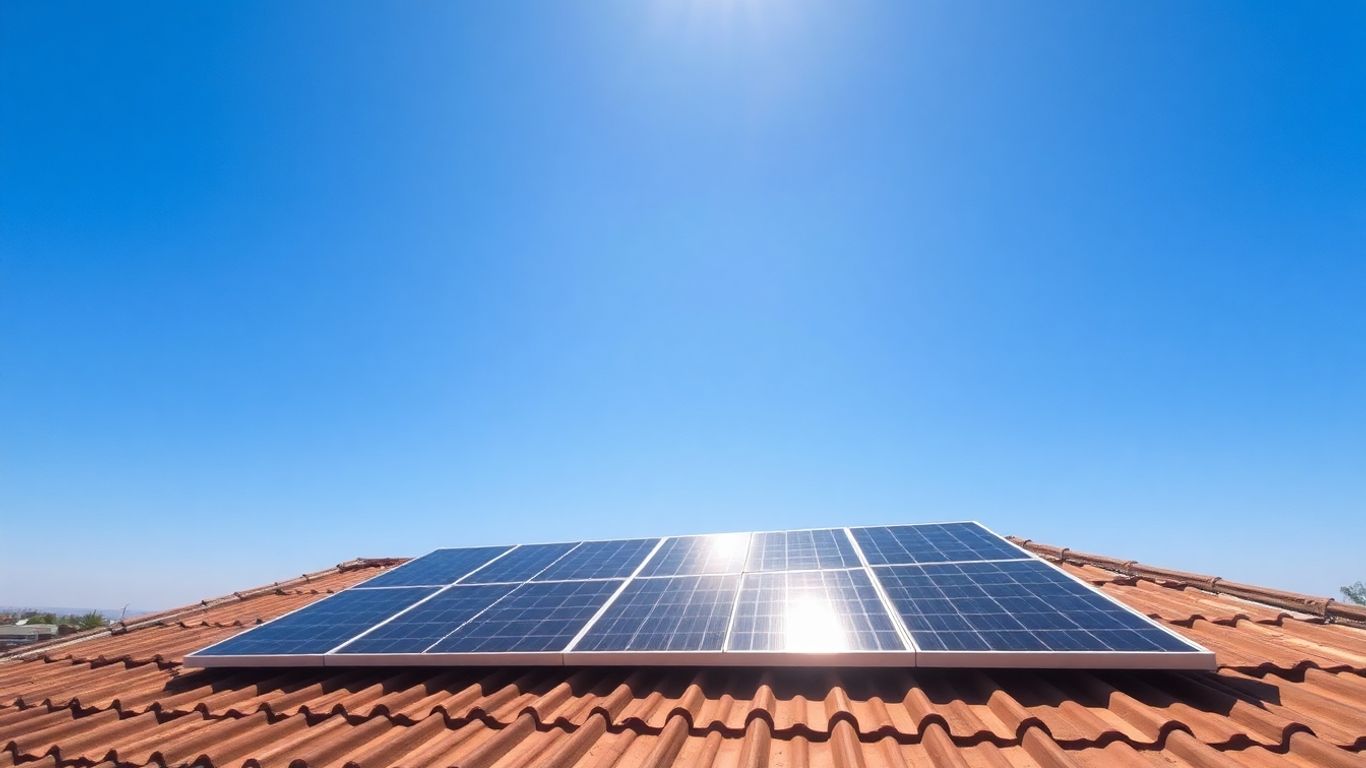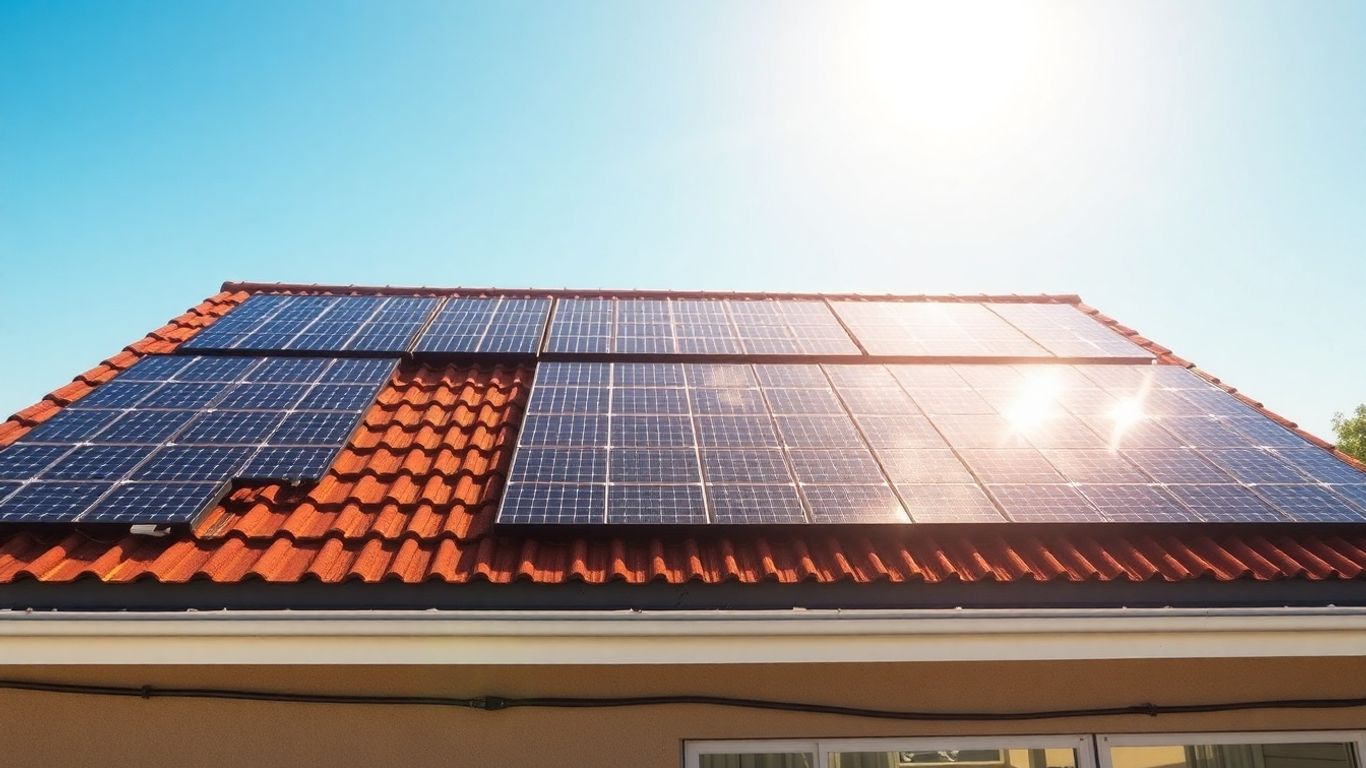
Thinking about getting solar power for your home in South Africa? It’s a big decision, and the costs can seem a bit confusing at first. We’re talking about a 5kW solar system price South Africa here, which is a popular size for many households. Let’s break down what you can expect to pay in 2025, looking at all the bits and pieces that go into the final price tag. It’s not just about the panels; there’s a whole lot more to consider. We’ll try to make it clear so you can figure out if it’s the right move for you.

Key Takeaways

  • The typical cost for a 5kW solar system in South Africa for 2025 can range quite a bit, generally falling between R70,000 and R140,000, but it can go higher depending on the components and installation.

  • Several things affect the final price, like the brands of panels and inverters you choose, whether you need a battery, and the complexity of the installation.

  • Government incentives, such as tax rebates (like a 25% deduction capped at R15,000), can help lower the initial cost, making solar more affordable.

  • Don’t forget about ongoing costs; while solar systems need minimal maintenance (cleaning panels, occasional checks), budgeting a small amount annually for upkeep is wise.

  • When looking at the 5kw solar system price South Africa, consider the long-term savings on electricity bills, which can often make the initial investment pay for itself within a few years.

5kW Solar System Price Range

So, you’re thinking about a 5kW solar system for your place in South Africa? That’s a pretty common size, good for a lot of homes. When you’re looking at the price tag, it’s not just one number. The cost can really bounce around depending on what you get.

Generally, for a 5kW system, you’re probably looking at something in the ballpark of R70,000 to R140,000. But honestly, that’s just a rough idea. Some basic setups might sneak in a bit lower, maybe around R60,000, while more premium options with top-notch panels and fancy inverters could easily push past R210,000, especially if you’re adding batteries.

Here’s a quick look at how things can stack up:

  • Basic Grid-Tied System: This is usually the most budget-friendly. It includes panels and an inverter to send excess power back to the grid. Expect this to be on the lower end of the price spectrum.

  • Hybrid System: This adds battery storage to the mix. So, you can store solar energy for use at night or during load shedding. This definitely adds to the cost, often pushing it into the R120,000 to R150,000 range for a 5kW setup with a decent battery.

  • Off-Grid System: If you want to be completely independent of the grid, this is the way to go. It requires a larger battery bank and a more robust inverter setup, making it the most expensive option, potentially R230,000 or more.

Remember, these prices are just for the hardware and installation. You’ll also want to think about things like warranties, the specific brands you choose, and any extra electrical work that might be needed at your home. Getting a few quotes is always the best move.

Factors Influencing Solar System Prices

So, you’re thinking about getting solar panels, huh? It’s a big decision, and the price tag can swing quite a bit. It’s not just about the panels themselves; a whole bunch of things play a role in how much you’ll end up paying.

First off, the size of the system is a major player. A 5kW system is pretty standard for a lot of homes, but if you need more power, you’ll need more panels and bigger equipment, which naturally costs more. Then there’s the type and brand of the panels. Some are more efficient than others, and you know how it goes – better performance usually means a higher price. We’re seeing panels with capacities that have plateaued below 600 watts, which is influenced by supplier factors and practical limits.

Don’t forget the inverter! This is the brain of your system, converting sunlight into electricity your home can actually use. Different types exist, and their quality and features affect the cost. And if you’re thinking about battery storage – which is great for keeping the lights on when the sun’s not out – that’s another significant chunk of the price. Batteries add a lot of value, but they do bump up the initial investment.

Here’s a quick look at how some components can add up:

Component

Typical Cost Range (ZAR)

5kW Solar Panels

R40,000 – R70,000

Inverter (5kW)

R15,000 – R30,000

Battery (5kWh)

R30,000 – R60,000

Installation itself can also vary. If your roof is tricky to access, or if you have a specific type of roof that makes mounting harder, expect that to add to the bill. The location where you live matters too; sometimes, getting equipment to certain areas or dealing with local regulations can influence pricing. It’s always a good idea to get a few quotes to compare, especially when looking at different solar installation packages.

Ultimately, the final price is a mix of the hardware, the complexity of fitting it all together, and where you’re located. It’s worth doing your homework to figure out what combination works best for your budget and your energy needs.

Solar Panel Prices by Brand

When you’re looking at solar systems, the panels themselves are a big part of the cost. Different brands offer different levels of quality, efficiency, and warranties, and this all plays into how much you’ll pay upfront. It’s not just about the cheapest option; it’s about finding the best value for your specific needs.

Here’s a general idea of what you might expect to pay for some popular solar panel brands in South Africa. Keep in mind these are estimates and can change based on the specific model, wattage, and supplier.

Brand

Typical Wattage Range

Estimated Price Range (ZAR)

Longi Solar

275W – 610W

R2,200 – R4,500

JA Solar

275W – 600W

R2,000 – R5,000

Trina Solar

275W – 670W

R2,100 – R5,200

Jinko Solar

275W – 575W

R2,000 – R4,000

Canadian Solar

270W – 600W

R2,000 – R5,000

These panels usually come with solid warranties, often 20 or 25 years, covering both defects and performance degradation. This long warranty period is a good sign of the manufacturer’s confidence in their product.

Several factors influence the price beyond just the brand name:

  • Efficiency Ratings: Higher efficiency panels generate more power from the same amount of space, but they often come at a higher cost.

  • Technology Type: Monocrystalline panels are generally more efficient and expensive than polycrystalline ones.

  • Warranty Terms: Longer and more comprehensive warranties can add to the initial price but offer better long-term security.

  • Supplier and Installer: Prices can vary between different suppliers and installers, so it’s always a good idea to get a few quotes.

Choosing the right solar panels involves balancing upfront cost with long-term performance and reliability. Don’t just go for the lowest price; consider the panel’s efficiency, warranty, and how well it suits your climate and energy needs. Looking into solar inverters is also a key step in building your system.

When you’re comparing options, think about the total system cost, not just the individual components. A slightly more expensive panel might lead to a more efficient system overall, potentially saving you more money on electricity bills in the long run.

Solar Inverter Prices by Brand

When you’re looking at solar systems, the inverter is kind of the brain of the whole operation. It’s what takes the power your panels make and turns it into the electricity your home can actually use. Because it’s so important, the brand and type of inverter you choose can really change the total cost of your 5kW system.

Different brands offer different features and price points, so it’s worth comparing. Some inverters are built for basic grid-tied systems, while others are more advanced and can handle battery storage for backup power.

Here’s a general idea of what you might see for inverter prices in South Africa:

  • Deye 5kW Solar Inverter (48v \/ 230v): You’ll often find these starting around R23,000. They’re a popular choice for many residential setups.

  • Deye 8kW Solar Inverter (48v \/ 230v): If you need a bit more power, these can go for about R40,000.

  • Larger Deye Models (12kW, 16kW): For bigger systems, expect prices from R55,000 up to R65,000 or more.

Keep in mind these are just for the inverter itself. The final price of your system will also include the solar panels, batteries (if you’re getting them), mounting hardware, wiring, and the cost of installation.

The warranty on an inverter is a big deal. A longer warranty, often 10 to 20 years for good quality ones, means the manufacturer stands behind their product. This can save you a lot of hassle and money down the road if something goes wrong.

Solar Battery Prices

When you’re looking at solar systems, the battery is a big piece of the puzzle, and honestly, it can be a significant chunk of the overall cost. Think of it as the energy bank for your home. The price really depends on a few things: how much power it can store (that’s the kWh rating), the type of battery technology, and of course, the brand. Lithium-ion batteries are the most common these days because they last longer and perform better than older types, but they do come with a higher upfront price tag.

Here’s a general idea of what you might expect to pay for different battery capacities:

  • 2.4 kWh Lithium Iron Battery: Starting around R12,000

  • 4.8 kWh Lithium Iron Battery: Around R25,000

  • 7.4 kWh Lithium Iron Battery: Approximately R55,000

  • 10 kWh Lithium Iron Battery: Can range from R34,000 to R65,000, depending on the specific model and brand.

It’s worth noting that for the average South African household, purchasing a battery solely sized for load-shedding protection is not the most economical choice. You’ll want to consider your overall energy needs and how much backup power you truly require. Many batteries and inverters come with a 10-year warranty, which is pretty good peace of mind.

The capacity you choose should align with your energy consumption patterns. Over-sizing can lead to unnecessary expense, while under-sizing might leave you without power when you need it most during outages.

When you’re comparing prices, remember to check what’s included. Some prices might be for the battery unit only, while others could be part of a package that includes installation or other necessary components. Always ask for a detailed breakdown to understand exactly what you’re paying for. Getting a few quotes is definitely the way to go to find the best deal for your specific situation.

Government Incentives and Rebates

Thinking about going solar in South Africa? You’re in luck, because the government has put some programs in place to help make it easier on your wallet. The big one to know about is a tax rebate. Homeowners can claim back 25% of the cost of their solar panels, up to a maximum of R15,000. This is a pretty sweet deal designed to get more people using renewable energy.

To qualify for this rebate, you’ll need a few things. First off, you need to be a taxpayer. If you pay PAYE (Pay As You Earn), you can claim it during the tax season. If you’re a provisional taxpayer, you can use it to reduce your provisional and final tax payments. You’ll also need a VAT invoice that clearly shows the cost of the solar panels, and proof that you paid for them. For systems bought between March 1, 2023, and February 29, 2025, you’ll also need a compliance certificate related to electrical installation regulations.

Here’s a quick rundown of what you generally need:

  • A VAT invoice detailing solar panel costs.

  • Proof of payment for the solar panels.

  • A compliance certificate (for systems purchased within the specified timeframe).

  • The solar panels must have an output of at least 275 W.

It’s worth noting that this rebate specifically applies to the solar panels themselves, not the entire system, and portable panels aren’t included. It’s a good idea to check the latest details on the National Treasury website or speak with a solar installer to make sure you’ve got all your ducks in a row. This solar tax incentive can really make a difference in the upfront cost of your solar setup.

While these incentives are fantastic for reducing the initial investment, remember to factor in other costs like installation and potential electrical upgrades. Doing your homework upfront will help you get the most out of your solar journey.

Beyond the tax rebate, keep an eye out for any other local or provincial programs that might offer additional support. Sometimes, municipalities or specific energy initiatives can provide further benefits, though these can change frequently.

Tax Benefits and Deductions

Thinking about going solar in South Africa? You’re probably looking at the upfront cost and wondering how to make it work. Well, the government has put some measures in place to help ease that financial load, and it’s worth knowing about them.

The big one for homeowners right now is a tax rebate. For systems installed between March 1, 2023, and February 29, 2025, you can claim back a portion of your solar panel costs. It’s a 25% rebate, but it’s capped at R15,000. So, if your panels cost R100,000, you’d get R15,000 back. If they cost R50,000, you’d get R12,500 back. This applies to PAYE taxpayers when they file their returns, and provisional taxpayers can use it to reduce their tax payments.

To get this rebate, you’ll need a few things:

  • A VAT invoice that clearly shows the cost of the solar panels separately.

  • Proof of payment for those panels.

  • A compliance certificate confirming your system meets the 2009 Electrical Installation Regulations.

This rebate is specifically for the solar panels themselves, not the entire system, and they need to have an output of at least 275W. Portable panels don’t count, unfortunately.

While the rebate is a great incentive, it’s important to remember it’s just one piece of the financial puzzle. You still need to consider the total system cost, installation, and any potential upgrades to your home’s electrical setup. Always check the latest requirements and deadlines with the South African Revenue Service (SARS) or a tax professional to make sure you qualify and submit everything correctly.

Beyond the direct rebate, keep an eye out for any other potential deductions or credits that might become available. Tax laws can change, and staying informed is key to maximizing your savings when investing in solar power.

Energy Saving Certificates

So, you’re thinking about solar, and you’ve probably heard about these \”Energy Saving Certificates.\” What are they, really? Basically, they’re a way the government tries to encourage people and businesses to use less energy or switch to cleaner sources. For solar, it’s a bit of a mixed bag right now. While there isn’t a direct certificate program specifically for residential solar installations that gives you cash back like some other countries, the focus is shifting towards rebates and tax benefits.

Think of it this way:

  • Rebates: The big one is the 25% rebate on solar panel costs, capped at R15,000. This is a direct reduction in your upfront cost, which is pretty sweet. You need to make sure your invoices are clear about the panel costs, and you’ll need proof of payment. This program is available for the 2023\/24 tax year, so keep those documents handy.

  • Tax Deductions: For PAYE taxpayers, you can claim this rebate during the tax filing season. Provisional taxpayers have a bit more flexibility and can use it against their provisional and final tax payments. It’s a nice little bonus that lowers your overall tax burden.

  • Compliance Certificates: For systems installed between March 2023 and February 2025, you’ll need a compliance certificate. This is mainly about safety and making sure the installation meets the required electrical standards. It’s not a certificate you get for saving energy directly, but it’s a requirement to access other financial benefits.

It’s important to note that the landscape for these incentives can change. While direct \”energy saving certificates\” might not be the primary mechanism for solar in South Africa currently, the government is definitely looking at ways to make solar more affordable. Keep an eye on announcements, especially regarding changes like the elimination of engineering sign-off requirements for grid-tied systems starting in October 2025, which could save homeowners up to R9,000. It’s all about making the switch easier and more financially sensible for everyone.

The goal is to make solar power more accessible. While the term ‘Energy Saving Certificates’ might not perfectly describe the current system, the underlying idea of financial incentives for adopting clean energy is very much alive and kicking in South Africa through rebates and tax benefits.

Solar Loans and Payment Plans

Thinking about going solar but worried about the upfront cost? You’re not alone. A 5kW solar system is a significant investment, but thankfully, there are ways to make it more manageable. Many financial institutions and solar providers in South Africa offer specific loans and payment plans designed to help homeowners finance their solar installations.

These financing options can spread the cost over several years, making the initial outlay much less daunting. You might find options with repayment terms ranging from 12 months all the way up to 60 months, which is a full five years. Interest rates are usually competitive, often capped at a rate like prime plus 2.5%, so it’s worth shopping around.

Here’s a quick look at what you might expect from a typical solar loan:

  • Minimum Monthly Income: Lenders often require a minimum monthly income, sometimes around R8,000, to qualify.

  • Maximum Loan Amount: There’s usually a ceiling on how much you can borrow, potentially up to R300,000, which should cover most standard 5kW systems.

  • Repayment Flexibility: You can often choose a repayment period that best suits your budget.

Some banks, like Nedbank, have specific home solar financing options for their clients, partnering with approved service providers. Others work with energy platforms that connect you with installers and suppliers, simplifying the whole process from consultation to installation. It’s a good idea to compare what different providers offer to find the best fit for your financial situation.

It’s important to remember that while financing makes solar accessible, it’s still a loan. Always review the terms and conditions carefully, understand the total cost including interest, and make sure it aligns with your long-term financial goals. Getting quotes from multiple lenders and installers is key to securing a good deal.

Beyond traditional loans, some companies might offer rent-to-own schemes, which could be another avenue to explore if outright purchase or a standard loan doesn’t feel right. These plans allow you to use the system while paying it off over time, often with an option to own it fully at the end of the term.

Maintenance and Operating Costs

So, you’ve got your shiny new 5kW solar system humming away, saving you money and helping the planet. That’s awesome! But what about down the road? It’s not just a ‘set it and forget it’ kind of deal, unfortunately. You’ve got to keep an eye on things to make sure it keeps performing like a champ.

Think of it like owning a car. You wouldn’t just drive it until it breaks down, right? You get oil changes, check the tires, and so on. Your solar system needs a similar kind of TLC. Regular check-ups are key to making sure your system runs efficiently and lasts as long as possible. Skipping these can mean less power generation and, ironically, higher costs in the long run.

What does this maintenance actually involve? Well, it’s usually a few things:

  • Panel Cleaning: Dust, dirt, bird droppings – they all build up and block sunlight. Depending on where you live in South Africa, you might need to clean them every 3 to 6 months. If you’re in a dusty area or near trees, maybe more often.

  • Inverter Checks: Your inverter is the brain of the operation. It needs to be checked periodically, maybe quarterly, to make sure it’s working correctly and not overheating.

  • Battery Health (if applicable): If you’ve got a battery system, keeping an eye on its connections and overall health is important. This might be an annual check.

  • System Inspections: A professional might come out once a year or so to do a more thorough check of all the components, wiring, and mounting to catch any potential issues before they become big problems.

Here’s a rough idea of what you might budget for annual maintenance in places like Pretoria:

Service

Estimated Annual Cost (ZAR)

Panel Cleaning

500 – 1,500

Inverter Check

500 – 1,000

Full System Check

1,000 – 2,000

So, while the initial investment in solar is significant, these ongoing costs are generally quite manageable, especially when you compare them to the savings you’re getting on your electricity bill. It’s a small price to pay for peace of mind and optimal performance.

It’s easy to get caught up in the excitement of the initial installation and the savings that start immediately. But don’t forget about the long-term care. A little bit of attention now can prevent a lot of headaches and expense later on. Think about getting a maintenance plan from your installer; it can simplify things and often gives you priority service.

System Testing and Commissioning

Once all the physical bits and pieces are bolted down and wired up, there’s still a bit more to do before you can start enjoying your new solar power. This is the testing and commissioning phase. Think of it as the final check-up to make sure everything is working just right and, more importantly, safely.

This stage is super important because it confirms that your system is performing according to the design and that all the components are playing nicely together. It’s not just about flicking a switch and hoping for the best; it’s a methodical process.

Here’s a general idea of what happens:

  • Performance Checks: Technicians will run tests to see how much power your panels are generating under different conditions and how efficiently the inverter is converting that power.

  • Safety Inspections: They’ll double-check all the electrical connections, grounding, and safety features to make sure there are no risks.

  • System Integration: They verify that the inverter, panels, and any batteries are communicating and working as a single unit.

  • Documentation: You’ll usually receive a compliance certificate, confirming the installation meets all the required standards. This is a big one for peace of mind.

This final sign-off is what truly validates the installation, ensuring you get the most out of your investment and that the system operates reliably for years to come. It’s the last step before you can truly say you’re generating your own clean energy.

While the actual physical installation might only take a few days, this testing and commissioning part is critical for long-term success. It’s a key part of the overall process, ensuring your 5kW solar system is ready to go.

Labor Costs for Installation

When you’re looking at the total price tag for a 5kW solar system, don’t forget to factor in the cost of getting it all put together. This isn’t a DIY job for most people, and hiring qualified professionals is pretty important for safety and making sure everything works right.

The price for installation labor can really change depending on who you hire and where you are in South Africa. Think about it: experienced teams might charge a bit more, but they often work faster and know all the tricks to avoid problems. Plus, some areas might have higher living costs, which can trickle down into service prices.

Here’s a general idea of what goes into the labor cost:

  • Installer Experience: Certified and seasoned solar installers usually command higher rates than newer companies. Their know-how can prevent costly mistakes down the line.

  • System Complexity: A straightforward roof installation will likely cost less than a system requiring complex mounting, multiple roof angles, or difficult access.

  • Geographic Location: Installation costs can vary significantly between major cities and more rural areas. Travel time and local market rates play a role.

  • Additional Electrical Work: If your home’s existing electrical panel needs an upgrade to handle the solar system, this will add to the labor charges.

While the physical installation of the solar panels themselves might only take a day or two, the labor cost often includes the planning, site assessment, system design, and the final checks to make sure everything is running smoothly and safely. It’s a package deal that ensures your investment is protected.

For a 5kW system, you might see labor costs ranging anywhere from R10,000 to R30,000 or more. It’s always a good idea to get a few quotes from different reputable installers to compare not just the price, but also their experience and what’s included in their service.

Electrical Upgrades

Sometimes, your home’s current electrical setup might need a little sprucing up before you can hook up a shiny new solar system. Think of it like getting your house ready for a big renovation – you want to make sure the foundation is solid.

These upgrades aren’t always part of the solar package itself, but they’re super important for making sure everything works safely and efficiently. We’re talking about things like:

  • Main Distribution Board (DB) Upgrades: If your current DB is old or too small, it might not handle the extra load from a solar inverter and batteries. You might need a bigger or more modern one.

  • Rewiring: In older homes, the existing wiring might not be up to code for solar installations. A qualified electrician might need to run new, thicker cables to handle the power flow.

  • Surge Protection: Adding extra surge protection devices can safeguard your new solar equipment from power spikes, which is always a good idea.

It’s always best to get a professional assessment of your home’s electrical system before committing to a solar installation. This ensures that any necessary upgrades are identified upfront, preventing potential issues and unexpected expenses later on.

Solar System Prices by Location

5kW solar system on a South African rooftop.

So, you’re wondering how much a solar setup might cost you, and where you live matters. It’s not just about the size of the system; the area you’re in can actually make a difference in the final price. Think of it like buying anything else – sometimes prices are a bit higher in one town than another, and solar is no different.

The biggest reason for these price differences usually comes down to local demand, how tricky it is to install things in that specific spot, and even the general cost of living in the area. For instance, you might find that areas with a higher demand for solar, or perhaps more complex installation requirements, tend to have slightly higher price tags. It’s always a good idea to get quotes specific to your exact location.

Here’s a general idea of what you might see in different parts of Pretoria and its surroundings:

  • Pretoria East: This area often sees higher prices, especially for off-grid systems. A 5kW system here could average around R110,000. Grid-tied systems tend to be a bit more budget-friendly, about 20% less.

  • Northern Pretoria: You might find more competitive rates here. A 5kW system could be closer to R95,000, and battery prices can also be a bit lower, starting around R20,000.

  • Southern Region: Pricing here can be a mixed bag. Installation costs might be similar to the north, but battery prices can creep up a little due to higher demand for backup power.

  • Centurion and Tshwane: These areas often present the most variety. You can find some of the most economical grid-tied systems, with a 5kW setup potentially starting as low as R85,000. However, off-grid setups might cost more because they need more robust battery storage.

Region

Average 5kW System Price

Average Battery Price (Basic)

Pretoria East

R110,000

R25,000

Northern Pretoria

R95,000

R20,000

Southern Region

R100,000

R22,000

Centurion\/Tshwane

R85,000

R23,000

Remember, these are just averages. The actual cost for your home will depend on the specific equipment chosen, the complexity of the installation, and the installer you go with. It’s always best to get a few personalized quotes to compare. Even with your own solar setup, you might still be paying for grid electricity, so understanding these local price variations helps in budgeting for your solar power needs.

When you’re looking at solar prices, don’t just focus on the upfront cost. Think about the long-term savings and how the system will perform in your specific area. Getting detailed quotes from installers who know your neighborhood is key to making a smart decision.

Pretoria East Installation Costs

When you’re looking at getting solar panels installed in Pretoria East, you’ll notice the prices can be a bit different compared to other areas. It’s not just about the panels and the inverter; the location itself plays a role in the final cost. For a 5kW system, you might be looking at an average price of around R110,000. This is a bit higher than some other Pretoria regions, but it often reflects the demand and the specific services available.

Several things can affect the price you’ll pay:

  • System Size: A bigger system, like a 10kW, will naturally cost more, potentially reaching R230,000.

  • Component Quality: The brand and type of panels, inverter, and especially batteries can significantly alter the price.

  • Installation Complexity: The specific layout of your roof, any necessary electrical upgrades, and the ease of access for the installation team all factor in.

  • Installer Choice: Different companies have different pricing structures and service packages. It’s always a good idea to get a few quotes.

Pretoria East tends to have a slightly higher price point for solar systems, particularly for off-grid setups, due to a generally wealthier demographic and potentially higher demand for premium solutions. However, grid-tied systems are often more competitively priced, offering a more accessible entry point for homeowners.

Remember, the initial cost is just one part of the picture. Think about the long-term savings on your electricity bills and the environmental benefits. It’s a big investment, but one that can pay off over time.

Northern Pretoria Pricing Guide

When you’re looking at solar systems in Northern Pretoria, you’ll find things are generally a bit more budget-friendly compared to some other areas. It’s a good spot to be if you’re trying to keep the initial costs down.

For a standard 5kW system, you’re typically looking at around R95,000. If you need something bigger, like a 10kW system, the price jumps to about R200,000. And if you’re thinking about adding battery storage, a basic setup can start as low as R20,000, which makes energy storage much more accessible for homeowners in this region.

Here’s a quick look at what you might expect:

  • 5kW System: Around R95,000

  • 10kW System: Approximately R200,000

  • Basic Battery Storage: Starting from R20,000

It’s worth remembering that while Northern Pretoria might offer more competitive upfront pricing, it’s still important to consider the long-term value and warranty offered by the installer. Don’t just go for the cheapest option without checking what you’re actually getting for your money.

When you’re comparing quotes, make sure you understand exactly what’s included. Does it cover all the necessary components, the installation labor, and any permits? Asking these questions upfront can save you a lot of headaches later on. Plus, understanding the warranty details for both the equipment and the installation work is super important for peace of mind.

Southern Region Cost Analysis

When you look at solar system prices in the Southern region of South Africa, things get a bit mixed. It’s not as straightforward as some other areas. Installation costs tend to be pretty similar to what you’d find in Northern Pretoria, which is good news. However, where you might see a difference is in the price of solar batteries.

These batteries are often a bit more expensive down here. Why? Well, it seems like there’s a higher demand for backup power solutions in the Southern region. People are really keen on having that extra layer of security against power outages. For instance, an 8kW system that includes a battery backup can easily set you back around R180,000.

Here’s a general idea of what you might expect for a 5kW system in the Southern Region:

  • System Type: Grid-Tied 5kW System

    • Estimated Cost: R100,000

    • System Type: Hybrid 5kW System (with basic battery)

      • Estimated Cost: R122,000 (approx. R22,000 for battery)

      • System Type: Off-Grid 5kW System (with more robust battery)

        • Estimated Cost: R140,000+

It’s worth noting that these are just averages. The exact price can swing quite a bit depending on the specific brands of panels and inverters you choose, as well as the complexity of the installation itself. Always get a few quotes to compare!

The pricing landscape in the Southern region reflects a strong interest in reliable energy solutions, with a noticeable premium on battery storage due to local demand for consistent power availability.

Centurion and Tshwane Price Variations

When you start looking into solar systems for your home in Centurion and Tshwane, you’ll notice that prices can really spread out. It’s not just a one-size-fits-all situation, and that’s a good thing because it means you can likely find something that fits your budget and needs.

Generally speaking, grid-tied systems tend to be the most budget-friendly option in these areas. For a 5kW system, you might find prices starting around R85,000. These are great if you’re mostly looking to offset your monthly electricity bill and don’t necessarily need power when the grid goes down.

However, if you’re leaning towards an off-grid setup, be prepared for those costs to climb. Off-grid systems require more robust battery storage to keep your lights on when the sun isn’t shining or the grid is unavailable. This added complexity and componentry naturally bumps up the overall price.

Here’s a rough idea of what you might see:

  • Grid-Tied 5kW System: Starting around R85,000

  • Hybrid 5kW System (with basic battery): Likely R110,000 – R130,000

  • Off-Grid 5kW System (with significant battery storage): Could be R150,000 or more

It’s important to remember that these are just starting points. The exact cost will depend on the specific brands of panels and inverters you choose, the size and type of battery you opt for, and any unique installation challenges your property might present. Always get a few detailed quotes from local installers to get the most accurate picture for your specific situation.

The diversity in pricing across Centurion and Tshwane reflects the different types of solar solutions available. From simple grid-tied setups to more complex off-grid configurations, homeowners have options that cater to various energy independence goals and financial plans.

Residential Solar Installation Packages

When you’re looking into solar for your home, you’ll find that many installers offer pre-packaged deals. These packages are designed to simplify the decision-making process and often provide a good balance of components for typical household needs. Think of them as a starting point, usually built around a specific system size, like a 5kW setup, which is quite popular in South Africa.

These packages typically bundle together the essential hardware: solar panels, an inverter, and sometimes even a battery backup system. The idea is to give you a clear picture of what you’re getting and the overall cost. It’s a way to get a complete system without having to pick out each individual piece yourself.

Here’s a general idea of what you might find in different residential packages:

  • Basic Grid-Tied Systems: These are usually the most budget-friendly options. They focus on generating power during the day to offset your electricity bill. They don’t typically include batteries, so you’ll still rely on the grid when the sun isn’t shining.

  • Hybrid Systems: These packages add a battery to the mix. This means you can store excess solar energy generated during the day for use at night or during load shedding. They offer a good balance of cost savings and backup power.

  • Full Backup Systems: For those who want maximum independence, these packages include larger battery capacities and robust inverters. They aim to keep your essential appliances running even during extended power outages.

When evaluating these packages, pay close attention to the total system capacity (in kW), the battery storage capacity (in kWh), and the warranty periods for each component. A well-rounded package should offer a good return on investment over its lifespan.

Grid-Tied Solar Systems

South African rooftop with 5kW solar panels and grid connection.

So, you’re thinking about solar, and you’ve heard about grid-tied systems. Basically, this is the most straightforward and often the most budget-friendly way to get started with solar power for your home. It’s a system that works hand-in-hand with your existing electricity supply from the grid.

How it works is pretty simple. When the sun’s out and your solar panels are generating electricity, that power is used directly by your home. If you’re producing more than you need at that moment, the excess might be sent back to the grid (depending on your agreement with the utility company). But here’s the key part: when the sun goes down, or on those really cloudy days when your panels aren’t making enough juice, your home automatically switches over to drawing power from the grid, just like it always did. You don’t even notice the change.

Because these systems don’t include batteries for storing power, they tend to be less expensive upfront compared to hybrid or off-grid setups. For a 5kW system, you’re generally looking at a price range of about R55,000 to R65,000. This cost covers the solar panels and the inverter needed to convert the DC power from the panels into the AC power your appliances use.

Here’s a quick look at what makes up a typical grid-tied setup:

  • Solar Panels: These are the most visible part, converting sunlight into electricity.

  • Inverter: This is the brain of the operation, changing the direct current (DC) from the panels into the alternating current (AC) your home uses.

  • Mounting Hardware: Everything needed to securely attach the panels to your roof or ground.

  • Wiring and Connectors: The bits and pieces that connect all the components together.

A grid-tied system is a great entry point into solar energy. It helps reduce your electricity bills during daylight hours by using free solar power, while still giving you the peace of mind that you’ll always have power from the grid when you need it. It’s a practical choice for many South African households looking to save money and lessen their reliance on Eskom without the complexity and cost of battery storage.

While you won’t have backup power during a grid outage with a standard grid-tied system, the savings on your monthly electricity bill can be quite significant, helping to offset the initial investment over time.

Hybrid Solar Systems

So, you’re thinking about a hybrid solar system for your place in South Africa? Smart move. Basically, it’s like getting the best of both worlds – you get to use the sun’s power most of the time, but you’ve still got the grid as a backup if things get a bit dicey, like during a long stretch of cloudy weather or if your system needs a little TLC.

What makes it ‘hybrid’ is the addition of battery storage. This is where you stash away that extra solar energy generated during sunny periods. When the sun’s not cooperating, or you need a bit more juice than your panels can provide at that moment, the batteries kick in. This setup is fantastic for keeping your lights on and appliances running without constantly worrying about Eskom.

The main difference between a hybrid system and a grid-tied one is that battery storage component.

Here’s a rough idea of what you might be looking at in terms of components and costs:

  • Solar Panels: These capture sunlight and convert it into electricity. The number you need depends on your energy usage and how much sun you get.

  • Inverter: This converts the direct current (DC) electricity from your panels and batteries into the alternating current (AC) electricity your home appliances use.

  • Battery Storage: This is the key to the hybrid setup. It stores excess energy for later use.

  • Mounting Hardware & Wiring: All the bits and pieces needed to securely attach the panels and connect everything.

While a hybrid system offers a great balance, it’s definitely an investment. Adding batteries significantly bumps up the initial cost compared to a simple grid-tied system. You’ll want to make sure you have enough battery capacity to cover your needs during those times when solar generation is low.

For a typical 5kW hybrid system, you’re often looking at a setup that includes a good number of panels and a decent battery bank. Prices can vary a lot, but you might see figures ranging from around R115,000 to R150,000 or even more, depending on the brands and specific capacities you choose. It’s always a good idea to get a few quotes to compare.

Off-Grid Solar Systems

Going completely off the grid with solar power means you’re not connected to the national electricity network at all. This gives you total independence, but it also means you’re solely reliant on your solar setup to keep the lights on. Because of this, off-grid systems need to be a bit more robust than other types.

This usually translates to more solar panels and a larger battery bank. You need enough panels to generate sufficient power even on less sunny days, and enough battery storage to cover your needs overnight and during extended periods of bad weather. It’s all about building in a good safety margin.

Here’s a general idea of what goes into an off-grid setup:

  • More Solar Panels: To ensure consistent energy generation, you’ll likely need more panels than a grid-tied or hybrid system of the same size. This helps compensate for variable sunlight.

  • Larger Battery Storage: This is key. You need enough capacity to store excess energy generated during the day for use at night and during cloudy spells. Think multiple batteries, potentially with a total capacity of 18kWh or more, depending on your usage.

  • Charge Controller: This device manages the flow of electricity from the panels to the batteries, preventing overcharging and optimizing the charging process.

  • Inverter: Like other systems, you’ll need an inverter to convert the DC power from your panels and batteries into AC power that your appliances can use.

Cost Considerations:

Because of the increased number of components, especially the larger battery bank, off-grid systems are generally the most expensive upfront. A system designed for a typical home could easily run into the R200,000 to R250,000 range, sometimes more, depending on the specific brands and capacities chosen. It’s a significant investment, but it offers the ultimate energy freedom.

While the initial cost is higher, the long-term benefit is complete energy autonomy. You won’t have to worry about load shedding or rising electricity tariffs from the grid. The system needs to be sized carefully to match your household’s energy consumption patterns to avoid running out of power.

When planning an off-grid system, it’s really important to get a professional assessment of your energy needs. They can help you figure out the right size system and components to ensure you have reliable power without overspending.

Payback Period for Solar Systems

So, you’ve got this shiny new solar system humming away on your roof. That’s awesome! But when does it actually start paying for itself? That’s where the payback period comes in. It’s basically the time it takes for the money you save on electricity bills to add up to the initial cost of your system. Think of it like this: you spend money upfront, and then over time, your electricity bill shrinks, and those savings eventually cover your initial outlay.

The payback period for a typical 5kW solar system in South Africa can range anywhere from 4 to 8 years. Of course, this isn’t a hard and fast rule, and a lot of things can nudge that number up or down. It really depends on how much electricity you use, how much your electricity provider charges, and how much sun you get in your specific area. Plus, the price you paid for the system itself is a huge factor. If you got a great deal, your payback will be quicker.

Here are some of the main things that influence how long it takes to recoup your investment:

  • Your Electricity Consumption: The more electricity you use, the more you’ll save by generating your own power. If you’re a big energy user, your payback period will likely be shorter.

  • Your Solar System’s Performance: This includes the quality of the panels and inverter, how well they’re installed, and how much sunlight your location gets. More efficient systems and good sun exposure mean faster savings.

  • Electricity Tariffs: The higher your current electricity rates, the more significant your savings will be, leading to a quicker payback. Eskom’s prices, for instance, play a big role here.

  • System Costs: Obviously, a cheaper system will have a shorter payback period than a more expensive one, assuming all other factors are equal.

  • Incentives and Rebates: Any government rebates or tax benefits you can claim can significantly reduce your upfront cost, thereby shortening the payback time. Africa’s solar panel imports are growing, showing more people are looking into these benefits.

It’s important to remember that the payback period is just one piece of the puzzle. Even after you’ve ‘paid back’ your system, it continues to generate free electricity for many years. Most solar systems are built to last 25 years or more, so you’re looking at decades of reduced energy costs and a positive return on your investment long after the initial cost is covered.

Solar System Lifespan

When you’re thinking about putting solar panels on your roof, one of the big questions is, ‘How long will this thing actually last?’ It’s a pretty important consideration, right? You’re making a significant investment, so you want to know it’s going to keep working for you for a good long while.

Most solar panels are built tough and are designed to withstand the elements for decades. You can generally expect your solar panels to perform well for 25 to 30 years. That’s a pretty solid lifespan, meaning you’ll likely be enjoying reduced electricity bills for a quarter of a century or more. Of course, this doesn’t mean they just stop working after 30 years; they might just produce a bit less power. It’s like an old car – it might still run, but not as efficiently as it used to.

Here’s a quick look at what contributes to that lifespan:

  • Panel Quality: Higher-quality panels from reputable brands tend to last longer and perform better over time. Think of it like buying a good quality tool versus a cheap one – the good one just keeps going.

  • Environmental Factors: While panels are built to be durable, extreme weather conditions like heavy hail or constant, intense UV exposure can, over many years, have some impact.

  • Maintenance: Just like anything mechanical, a little bit of care goes a long way. Regular checks and cleaning can help keep your system running smoothly.

The initial cost of a solar system is significant, but understanding its long-term lifespan and potential replacement needs for components like inverters and batteries helps paint a clearer picture of the overall investment. Planning for these future costs ensures you can continue to benefit from solar energy for many years to come.

How to Save Money on Solar Installations and more

Thinking about going solar but worried about the upfront cost? You’re not alone. It’s a big investment, but there are definitely ways to make it more manageable and get the most bang for your buck. Let’s break down some smart strategies.

First off, don’t skip out on checking for government incentives. South Africa has a rebate program where you can get a percentage back on your solar panel costs, up to a certain amount. It’s a nice chunk of change that can really bring down the initial price. Make sure you have all the right paperwork, like a VAT invoice that clearly shows the panel costs, and proof of payment. Also, keep an eye on the dates – these programs often have specific windows for when you can claim.

Here are a few ways to trim down the cost:

  • Shop Around for Quotes: Seriously, get at least three different quotes from reputable installers. Prices can vary quite a bit, and comparing them helps you spot a good deal. Don’t just look at the bottom line, though; check what’s included in each package.

  • Right-Size Your System: It’s tempting to go big, but an oversized system means you’re paying for more than you actually need. Figure out your typical energy usage and aim for a system that matches it closely. This avoids unnecessary expenses.

  • Consider Panel Types: While high-efficiency panels cost more upfront, they generate more power in a smaller space. Think about whether the long-term energy savings justify the higher initial price for your specific situation.

  • Explore Financing: If paying cash isn’t an option, look into solar loans or payment plans. These can spread the cost over several years, making it easier on your monthly budget. Just be sure to understand the interest rates and terms.

Don’t forget about the long game. Investing in quality equipment might cost a bit more now, but it often means fewer repairs and better performance down the line. Plus, keeping up with basic maintenance, like cleaning the panels occasionally, can prevent bigger, more expensive issues later on and keep your system running at its best.

Sometimes, your existing electrical setup might need a little upgrade to handle the new solar gear. Factor this in, as it can add to the total cost. Also, while professional installation is usually a must for safety and efficiency, if you’re handy, you might be able to help with some of the simpler tasks to save on labor costs, but always leave the complex electrical work to the pros. It’s all about finding that balance between saving money and getting a safe, reliable system.

Wrapping It Up: Is Solar Worth It in 2025?

So, after looking at all the numbers and options, it seems like getting a 5kW solar system in South Africa for 2025 is definitely something to think about. While the upfront cost can seem a bit much, especially for a 5kW setup which might land anywhere from R70,000 to R140,000, there are ways to make it work. You’ve got government tax breaks, like that 25% rebate capped at R15,000, and financing plans that spread the cost out over a few years. Plus, think about the long game – saving money on your electricity bills for years to come and doing a bit for the planet. It’s not a small decision, but with the sun shining as much as it does here, it’s looking like a pretty smart move for many South African homes.

Frequently Asked Questions

What's the typical price for a 5kW solar system in South Africa for 2025?

For 2025, a 5kW solar system in South Africa usually costs somewhere between R70,000 and R140,000. Keep in mind that prices can change depending on the brands you pick and the installer you choose.

How long does it take to get a solar system installed?

Putting in a solar system usually takes about 1 to 3 days for the actual setup. However, the whole process, from when you first talk to a company to when everything is up and running, can take a few weeks to a couple of months.

Are there any government help or discounts for installing solar panels?

Yes, South Africa does offer some help! There’s a tax rebate that can let you deduct a portion of the installation cost, up to a certain amount. It’s a good idea to check with local authorities and installers for the latest deals and programs.

How long until a solar system pays for itself?

Most solar systems in places like Pretoria pay for themselves within 3 to 7 years. This depends on how big your system is and how much electricity you use. After that, you’ll be getting free electricity for many years!

Can I power my whole house without using the electricity grid?

You absolutely can go off-grid, but it means you’ll need a bigger setup, especially more batteries to store power for nights and cloudy days. It takes careful planning to make sure you always have enough electricity.

What kind of upkeep do solar systems need?

Solar systems don’t need a lot of work. You should clean the panels a few times a year to keep them working well. The other parts, like the inverter and batteries, might need checking now and then, but many installers offer maintenance plans to keep things simple.

Zensolar

Commercial and residential solar specialists

We help South African families and businesses break free from rising electricity costs with custom solar solutions that can cut your bills by up to 92% from day one. From consultation to installation, we make going solar simple so you can enjoy energy independence and predictable monthly savings In Gauteng, NW, Cape town and KZN

Address

51 Gustav Preller Str, Vorna Valley, Midrand.

Phone

+27 11 045 9062