
Dealing with load reduction in South Africa feels like a constant battle, doesn’t it? Load reduction is the new term for what was previously known as load shedding, and it often manifests as unreliable grid maintenance by Eskom, making it less obvious to the general public. We’re all looking for ways to keep the lights on and our essential appliances running when the power goes out. Finding the right backup power supply for your home in South Africa can seem a bit overwhelming with so many options out there. Whether you’re in a house, townhouse, or flat, there’s a solution to help you get through those dark hours. Let’s break down some of the top contenders for backup power supply for home South Africa in 2025.

Key Takeaways

  • Portable power stations offer a flexible backup power supply for home South Africa, ranging from small units for essential devices to larger ones that can power more appliances.

  • All-in-one battery backup systems simplify installation and offer a neat solution for homes and small businesses needing reliable backup power.

  • Solar battery storage systems are a more robust option for areas with frequent or long power outages, providing dependable, large-scale power backup.

  • When choosing a backup power supply for home South Africa, consider your specific needs, such as the number of appliances you want to run and the expected duration of outages.

  • LiFePO4 batteries and pure sine wave inverters are recommended for efficiency, longevity, and safety in most backup power solutions.

1. EcoFlow Delta 3 Plus

It comes with a 1024Wh battery, which is enough to keep a fridge running for a decent amount of time or power multiple smaller devices. The output is rated at 2400W, meaning it can handle more demanding appliances than some smaller units. Plus, it has a pretty good selection of ports – you’ll find AC outlets, USB-C, USB-A, and even a car outlet, so you’re not short on options for plugging things in.

When load reduction hits, you want something reliable, and the Eco Flow Delta 3 Plus really steps up. It’s a solid choice for keeping things running at home, whether you’re powering essential appliances or just keeping your devices charged. This unit offers a good balance of capacity and output for everyday needs.

One of the standout features is its fast charging capability. You can juice it up using AC power, solar panels, or even your car, which is handy if you’re on the go or relying on alternative power sources. It also has a UPS (Uninterruptible Power Supply) function with a quick 10ms switchover time. This means if the power goes out, your connected devices like routers or computers won’t even notice the interruption.

Here’s a quick look at some of its specs:

  • Capacity: 1024Wh

  • Output: 2400W

  • UPS Switchover: 10 milliseconds

  • Charging Options: AC, Solar, Car, Smart Generator

  • Ports: Multiple AC, USB-C, USB-A, DC outlets

While the price might seem a bit steep initially, the Delta 3 Plus is built to last and offers a lot of flexibility. It’s expandable too, so if you need more power down the line, you can add extra batteries to boost its capacity up to 5kWh. This makes it a pretty smart investment for long-term backup power needs.

We found its operation to be surprisingly quiet, which is a big plus if you’re using it indoors. It’s not silent, of course, but it’s definitely not disruptive. For a reliable home backup, the Zensolar is definitely worth considering, especially if you want something that can handle a variety of devices and situations. You can find out more about its capabilities on the Zensolar website.

2. Anker Solix F3800

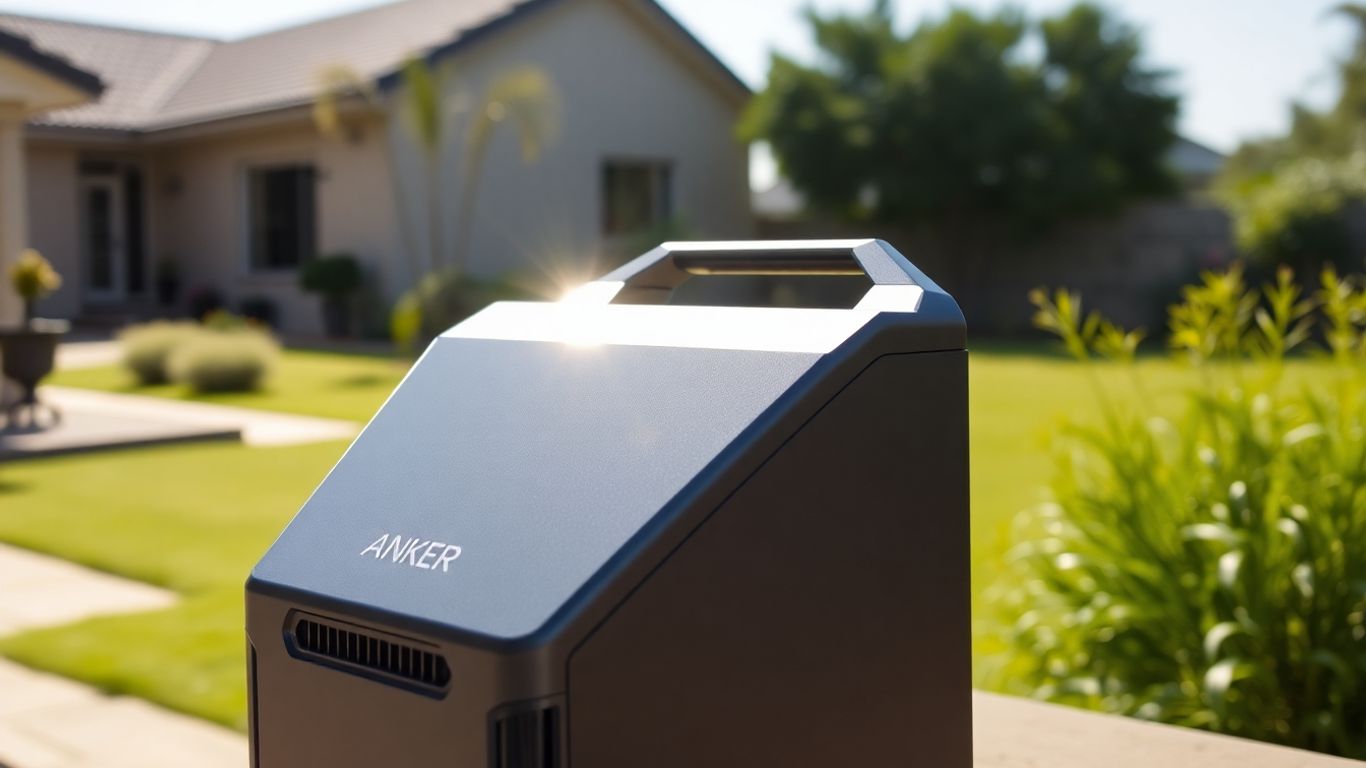
Anker Solix F3800 portable power station outdoors

If you’re looking for a serious powerhouse to keep your entire home running during load reduction, or to fuel an RV or even an electric vehicle, the Anker Solix F3800 is definitely one to consider. This thing is a beast, packing a massive 3840Wh battery capacity and a hefty 6000W output. It’s not exactly something you’d toss in a backpack, weighing in at 132 lbs, but thankfully, it comes with wheels, which makes moving it around a lot less of a chore.

This unit is designed for those who need substantial, reliable power for extended periods. It’s capable of handling big appliances like air conditioners, and we found it easily powered a router, space heaters, lights, and charged multiple laptops and tablets simultaneously during our tests. The port selection is also pretty impressive, offering a wide array of options:

  • 3x UPS AC sockets

  • 3x Standard AC sockets

  • 1x NEMA 14-50 AC port

  • 1x L14-30R AC port

  • 1x DC port3x USB-C ports

  • 2x USB-A ports

  • 1x Home Panel port

  • 2x Solar Panel ports

  • 1x Car input port

One of the standout features is its expandability. You can boost its power supply up to a staggering 26.9kWh by adding more battery packs, which is fantastic if you anticipate needing even more juice down the line. It also boasts a fast UPS switchover time of just 20 milliseconds, meaning your devices won’t even notice a power interruption.

While it’s a top-tier option for significant power needs, its considerable size, weight, and price point mean it’s not for everyone. It’s a serious investment for serious power requirements.

It’s worth noting that while it’s a fantastic charging station, we couldn’t use it to charge another portable power station, and the unit even warned us about potential damage if we tried. For an even more robust home backup solution, Anker suggests pairing it with their F800 Home Power System.

3. REVOV CUBE

The REVOV CUBE is an interesting option if you’re looking for a more integrated backup power solution. It’s designed as an all-in-one unit, meaning the battery, battery management system (BMS), and inverter are all housed together. This makes installation a bit simpler, which is always a plus when dealing with home power systems.

What sets the CUBE apart is its form factor. It’s shaped like a cube, which REVOV says makes it easy to tuck away under counters or in other tight spaces. It also comes in a protective steel cabinet to keep dust and grime out. That’s a nice touch for keeping things tidy and protected.

You can get the REVOV CUBE in two different sizes: 5 kWh or 10 kWh. This gives you some flexibility depending on how much power you think you’ll need. The larger 10 kWh unit, for example, could potentially run essential appliances like your fridge, lights, and Wi-Fi for a decent stretch during an outage. However, it’s important to remember that running high-draw items like a geyser continuously will still drain even a large battery pretty quickly.

Here’s a quick look at what’s inside:

  • Battery

  • Either one or two REVOV 2nd LIFE R100 batteries.

  • Inverter:  A 5 kW inverter with an 80A MPPT charge controller

  • BMS: A pre-cabled Battery Management System.

While the CUBE is designed for ease of use and integration, it’s still a substantial piece of equipment. It’s not something you’d typically take camping, but for a dedicated home backup, its compact and enclosed design is quite appealing. Just be sure to plan where you’ll put it before you buy.

If you’re considering the REVOV CUBE, it’s worth looking into how your specific power needs align with the 5 kWh and 10 kWh options. It’s a solid choice for those who want a self-contained backup power system that’s relatively easy to install and keep out of sight.

4. DJI Power 2000

If you’re someone who flies drones, especially DJI models, the DJI Power 2000 is a pretty compelling option. It’s not just for drones, though; it handles regular household devices and home office setups well. During testing, it ran pretty much silently, which is a nice bonus.

It packs a 3000W continuous power output and includes an Uninterruptable Power Supply (UPS) feature, which is a big deal for a unit this size. You get a good number of ports, including four AC outlets, four USB-C, and four USB-A. There’s also a special port for charging DJI drones, which is obviously a major selling point for drone pilots.

The DJI Power 2000 is a standout choice for drone operators needing reliable, fast charging for their equipment.

However, it’s not perfect. The app could use some work, and the placement of the AC charging socket right at the front feels a bit odd. Also, the solar charging setup has a somewhat unusual modular layout. It doesn’t have any specific IP rating or socket covers, so you’ll want to keep it away from dust and moisture.

Here’s a quick look at its specs:

  • Capacity: 2048Wh

  • Output: 3000W

  • Solar Input: 1800W

  • UPS Switchover Time: 10 milliseconds

  • Ports: 4x AC, 4x USB-C, 4x USB-A, 2x SD Card Slot

While it’s designed with drone users in mind, its robust power output and UPS functionality make it a solid contender for general home backup needs too, especially if you value quiet operation.

5. Bluetti AC180T

The Bluetti AC180T really stands out because of its unique hot-swappable battery feature. This means if you run out of power, you don’t have to wait for it to recharge; you can just swap in a fresh battery. It’s a pretty neat trick, especially if you’re out camping or on a long trip and can’t just plug into the wall

Beyond the battery swap, this unit is also a bit of a multi-tasker. It comes with a built-in cooler system, which is honestly kind of wild. Imagine using your power station to keep your drinks cold while you’re off the grid. It’s part of their SwapSolar series, designed for people who are often on the move, like campers or road-trippers. We found it performed well, not just as a power source but also as a cooler.

Here’s a quick look at what it offers:

  • Hot-Swappable Batteries: The main draw, allowing for continuous power.

  • Built-in Cooler: A unique feature for keeping things chilled.

  • UPS Functionality: Provides a backup power switchover time of around 20 milliseconds.

  • Decent Output: Offers an 1800W output, suitable for many household appliances.

While it’s not the biggest capacity unit out there, and it is a bit on the heavier side, the AC180T offers a really interesting combination of features. It’s definitely one of the more innovative portable power supplies available.

The ability to swap batteries on the fly is a game-changer for extended use away from power outlets. Combined with the integrated cooler, it makes for a very versatile companion for outdoor adventures or situations where continuous power is a must.

6. Jackery Explorer 1000 V2

Jackery has been a big name in the portable power game for a while now, and the Explorer 1000 V2 is a solid update to their lineup. If you’re looking for something reliable for work away from the office or just need a good backup at home, this one’s worth a look. It packs a 1070Wh battery, which is pretty decent, and can push out 1500W continuously, with a surge capacity of 3000W. That’s enough juice to handle most of your everyday devices and even some bigger appliances.

During testing, it handled charging multiple laptops, cameras, and drone batteries without breaking a sweat. Even when powering a MacBook Pro that was drawing a steady 100W, it kept going for about six hours. What’s really nice is the variety of ports: you get three AC outlets, two USB-C ports, one USB-A, and even a car outlet. This means you can plug in a bunch of different gadgets all at once.

One cool feature is the UPS (Uninterruptible Power Supply) function. We tested it by simulating a power cut while running a 3D printer, and the switchover was so quick, there was no interruption. This is a big plus if you’re using it for sensitive equipment or just don’t want your work to stop when the lights go out.

While it weighs about 10kg, which might be a bit much for some to lug around constantly, and the 1500W output won’t run everything like a high-power kettle or an iron, it’s a really capable unit for its size and purpose.

Here’s a quick rundown of what you get:

  • Capacity: 1070Wh

  • Output: 1500W (3000W surge)

  • Ports: 3x AC, 2x USB-C, 1x USB-A, 1x Car Outlet

  • UPS Switchover: 20 milliseconds

  • Solar Input: Up to 400W

Overall, the Jackery Explorer 1000 V2 is a strong contender, especially if you need a portable power source that can handle a good mix of devices and offers that handy UPS backup.

7. EcoFlow River 3

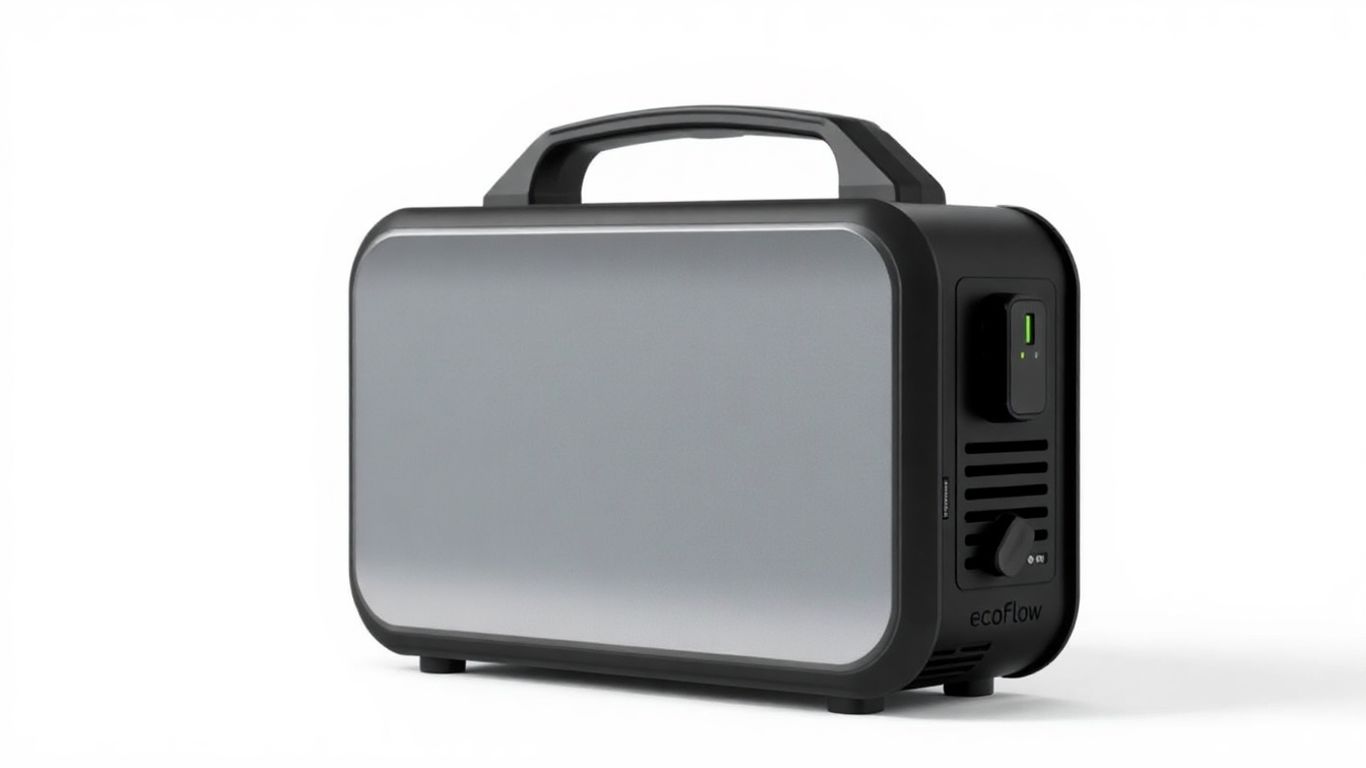
EcoFlow River 3 portable power station

If you’re after something smaller and more budget-friendly, the Eco Flow River 3 is a solid contender. It’s really designed for people who need power on the go, but don’t need to run a whole house.

This unit is super compact, weighing in at just about 7.8 pounds. It’s easy to toss into a backpack or the back of your car. We tested it out, and it fit just about anywhere we needed it to. It’s not going to power your fridge for days, but it’s great for keeping laptops, phones, and other smaller electronics charged up.

Here’s a quick look at what it offers:

  • Capacity: 245Wh

  • Output: 300W

  • Ports: 2x AC, 2x USB-A, 1x USB-C (100W Max), 1x 12V Car Outlet

  • Solar Input: Up to 110W

  • UPS Switchover: Under 20 milliseconds

It charges up pretty fast too, going from empty to full in about an hour. Plus, it’s got this UPS feature that kicks in really quickly if the power goes out, so your essential devices won’t miss a beat. It’s also built tough, with some dust and water resistance.

While it’s not the biggest power station out there, its portability and quick charging make it a handy gadget for camping trips, road journeys, or just as a backup for short power interruptions at home. It’s a good choice when space is tight.

It’s a good option if you know you won’t need to power a lot of high-draw appliances. Think of it as a reliable power boost for your essential gadgets when you’re away from a wall outlet.

8. All-In-One Battery Backup Systems

Okay, so load reduction is a real pain, right? And if you’re looking for a simpler way to keep the lights on without a whole complicated setup, these all-in-one battery backup systems might be your jam. Think of them as a self-contained unit that bundles everything you need – the battery itself, the inverter that converts the power, and the smarts to manage it all – into one neat package. No need to buy separate bits and pieces and try to figure out how they all talk to each other.

Setting one of these up is usually pretty straightforward for an electrician. They basically connect it to your home’s main electrical panel. Then, when the power goes out, the system automatically kicks in, using the stored energy to keep your essential appliances running. The goal is for you to barely notice that load reduction even happened.


How much juice can you expect? Well, it varies. Some systems, like the REVOV CUBE, come in different sizes, say 5 kWh or 10 kWh. A 10 kWh unit could power a typical household for around 10 hours, maybe longer if you’re not running everything at once. It’s not going to run your entire house indefinitely, but it’s enough to keep the fridge cold, the lights on, and your Wi-Fi going.

Here’s a rough idea of what a 10 kWh battery might handle:

Of course, you can’t run everything simultaneously for that long. You’ll need to be smart about what you power. Running the geyser all day or doing multiple loads of laundry might be a stretch if you want the battery to last through a long outage.

  • A 300W TV for about 33 hours

  • A 200W refrigerator for roughly 50 hours

  • Five 20W lightbulbs for a whole 100 hours

  • Your phone charger (25W) for a massive 400 hours

  • Your Wi-Fi router (6W) for an incredible 1,600 hours

These systems are designed to be user-friendly. They integrate the battery, inverter, and management system into a single unit, simplifying installation and operation. This makes them a more accessible option for homeowners who want reliable backup power without the complexity of separate components.

So, if you’re tired of the constant power interruptions and want a relatively simple, integrated solution, an all-in-one battery backup system is definitely worth looking into.

9. Solar Battery Storage Systems

When load reduction hits hard and lasts for hours, a dedicated solar battery storage system really shines. These aren’t your typical portable power stations; they’re designed for more serious, long-term backup power for your entire home. Think of them as a more robust solution for when you need to keep the lights on, the fridge running, and maybe even the Wi-Fi going for extended periods.

These systems integrate solar panels, batteries, inverters, and charge controllers into a cohesive unit, allowing you to store solar energy generated during the day for use at night or during grid outages.<\/strong> They offer significantly larger capacities than portable units, often ranging from 5kWh up to 50kWh or more, making them suitable for powering most household appliances. Installation is more involved than just plugging in a portable station, usually requiring a qualified electrician to connect it to your home’s electrical panel. However, the payoff is a more reliable and substantial power backup.

Here’s a quick look at what makes them different:

  • Capacity: Typically starts at 5kWh and goes much higher, suitable for whole-home backup.

  • Integration: Designed to work with solar panels for recharging, offering energy independence.

  • Longevity: Often use LiFePO4 battery technology, known for a long lifespan and safety.

  • Installation: Requires professional installation, unlike plug-and-play portable units.

Choosing the right size is key. You’ll want to calculate your average daily energy consumption and consider which appliances are most critical during an outage. A 10kWh system, for instance, could power an average household for several hours, depending on usage. It’s about balancing your needs with the system’s capabilities.

While portable power stations are great for flexibility and smaller needs, a full solar battery storage system is the way to go for serious, long-term home backup, especially if you’re looking to maximize your solar energy use and minimize disruption from power outages.

10. Portable Power Stations

Think of a portable power station as a giant, super-powered battery pack that you can take pretty much anywhere. Unlike a generator that needs fuel, these units store electricity and dish it out through various outlets – think standard wall sockets, USB ports, and even car chargers. They’re incredibly handy for a bunch of reasons, from keeping your essentials running during a load reduction session to powering your campsite.

These devices are designed for convenience and flexibility, offering a clean and quiet alternative to traditional power sources.

Here’s a quick rundown of what makes them tick:

  • Powering Up: You can usually charge them from a wall outlet, your car, or, best of all, solar panels. This solar capability is a game-changer for off-grid living or extended trips. What Can They Run?

  •  Depending on the size and capacity, they can handle everything from charging your phone and laptop to running a small fridge, a fan, or even medical equipment like a CPAP machine. Just check the wattage requirements of your devices against the power station’s output.

  • Lifespan: Most modern portable power stations use LiFePO4 batteries, which are known for being safe and long-lasting, often giving you 8-10 years of use. Other lithium-ion types might last a bit less, around 3-5 years.

Key Features to Look For:

  • Capacity (W): This tells you how much energy it can store. More watt-hours means longer runtimes.

  • Output Power (W): This is the maximum power it can deliver at any one time. Make sure it’s enough for your biggest appliance.

  • Ports:  Check for the types and number of outlets you need (AC, USB-A, USB-C, DC).

  • Recharge Options: How can you recharge it? Solar compatibility is a big plus.

  • Portability: While they’re called “portable,” some larger units can be quite heavy. Look for built-in handles or even wheels if you plan to move it around a lot.

While a portable power station is fantastic for backup power and off-grid adventures, it’s generally not meant to replace your main home electricity supply for extended periods. Think of it as a powerful, mobile energy reserve rather than a permanent grid alternative.

They’re a solid investment if you experience frequent power outages or love spending time outdoors away from power outlets. Just remember to match the power station’s capabilities to your specific needs.

Wrapping Up Your Backup Power Decision

So, we’ve looked at a bunch of ways to keep the lights on when Eskom decides to take a break. Whether you’re thinking about a big setup with solar panels for your house, or something smaller and more portable for your flat or townhouse, there are options out there. It really comes down to what you need to power and what you can spend. Don’t forget to think about how long you need power for and what devices are most important to you. Taking the time to figure this out now will save you a lot of hassle when the next load reduction hits. Good luck with your choice!

Frequently Asked Questions

What is a portable power station and how does it work?

Think of a portable power station like a giant power bank for your home or outdoor adventures. It stores electricity in a battery and lets you plug in your devices using different kinds of outlets, just like your wall sockets. When the power goes out, it automatically switches over to give you power from its stored battery, so you can keep things like your lights, TV, or Wi-Fi running.

Can a portable power station power my whole house during load reduction?

It depends on the size of the power station and how much electricity your house uses. Smaller ones are great for keeping essential items like lights, phones, and your router going for a few hours. Bigger, more powerful units can handle more appliances, but they usually can’t run everything in your house, especially high-energy items like geysers or heaters, for very long. It’s best to figure out what you absolutely need to power.

Are portable power stations safe to use indoors?

Yes, most portable power stations from good brands are designed to be safe for indoor use. They use advanced battery technology and have built-in safety features to prevent overheating or other issues. Just make sure to follow the instructions that come with it, like ensuring good airflow around the unit.

How long does a portable power station last on a single charge?

The time a power station lasts depends on its battery size and what you’re powering. A smaller unit might power a few lights and charge your phone for several hours. A larger one could keep a fridge running for many hours. You can usually figure this out by dividing the battery’s total power storage (in Watt-hours) by the power consumption of your devices (in Watts).

Can I recharge a portable power station using solar panels?

Absolutely! Many portable power stations can be recharged using solar panels, which is a fantastic way to get free, clean energy. This is especially useful if you’re off-grid or want to reduce your reliance on the main power grid. The time it takes to recharge with solar depends on the size of the panels and how sunny it is.

What's the difference between a portable power station and a solar battery storage system?

A portable power station is like a big, mobile battery that you can easily move around. A solar battery storage system is usually a more permanent setup installed at your home, often connected to solar panels, designed for larger power needs and longer outages. Portable ones are great for flexibility and smaller needs, while storage systems are better for whole-home backup during extended power cuts.

Zensolar

Commercial and residential solar specialists

We help South African families and businesses break free from rising electricity costs with custom solar solutions that can cut your bills by up to 92% from day one. From consultation to installation, we make going solar simple so you can enjoy energy independence and predictable monthly savings In Gauteng, NW, Cape town and KZN

Address

51 Gustav Preller Str, Vorna Valley, Midrand.

Phone

+27 11 045 9062